
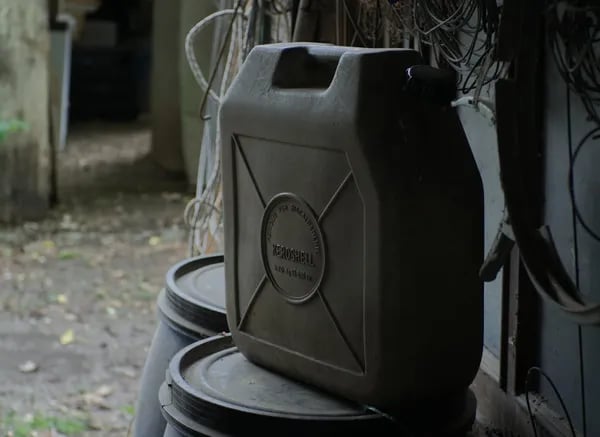



Some of the most useful tools in everyday life rarely draw attention—until the moment they are needed most. Portable water tanks fall squarely into this category. Often associated with emergency preparedness or rural living, they have steadily become an essential solution for households, gardeners, outdoor enthusiasts, and anyone seeking greater self-reliance. From temporary water storage during maintenance or outages to supporting irrigation, cleaning, or mobile work, these tanks offer a flexible and surprisingly elegant answer to a universal need: reliable access to water, wherever it’s required. What makes modern portable water tanks particularly compelling is their versatility. Today’s designs are lighter, more durable, and easier to store than ever before, making them practical not only for off-grid scenarios but also for everyday urban and suburban use. Whether you are planning ahead for unexpected disruptions, managing water more efficiently, or simply looking for a smarter way to support outdoor projects, choosing the right portable water tank can quietly improve convenience and peace of mind.
In this article, we’ll explore why portable water tanks deserve a closer look, how they fit into a wide range of lifestyles around the world, and what truly matters when selecting one. Consider this a clear, evergreen guide to an often-overlooked tool that proves its value not through hype, but through reliability.
What Exactly IS a Portable Water Tank (And Why Should You Care?)
Let me start with a simple truth: portable water tanks are exactly what they sound like—water storage containers you can move around easily. Think of them as the flexible cousin of those massive, permanent water towers you see in small towns. But here's where it gets interesting: these aren't just oversized water bottles.
A portable water tank is essentially a collapsible or lightweight water storage solution designed for easy transport and quick setup. Unlike traditional fixed tanks that require cranes and concrete foundations, these clever containers can be folded, rolled, or carried to wherever you need water most.
The Main Players in Portable Water Storage Solutions
There are several types of portable water tank features you'll encounter, and each has its own personality:
Pillow tanks : These lay flat like giant water beds and can hold anywhere from 250 to 25,000 gallons
Leg tanks: Stand upright with built-in legs, perfect for gravity-fed systems
IBC totes : Industrial cubes that stack and transport like building blocks
Collapsible barrels : Traditional drum shapes that fold down when empty
My friend Mac discovered this firsthand during a family BBQ last summer. His well pump failed right before 50 guests arrived. Instead of canceling, he grabbed his 500-gallon pillow tank, filled it at a neighbor's house, and saved the day. The tank weighs just 25 pounds empty—about one-fifth the weight of a similar-capacity traditional tank.
As water storage expert Noah Bragg puts it: "A portable water tank is like the Swiss Army knife of water storage—adaptable, often overlooked, and always handy when you need it most."
Beyond Water: Surprising Applications
Here's something most people don't realize—these tanks aren't just for water. I've seen them used for:
Fuel storage for remote generators
Collecting maple sap during sugaring season
Storing liquid fertilizers for farms
Emergency chemical containment
What Makes a Great Portable Tank
The difference between a reliable portable tank and a cheap headache comes down to materials and construction. Quality tanks use polyethylene, PVC, or fiberglass —materials that resist UV damage, temperature changes, and chemicals. Capacities typically range from 50 gallons for camping trips up to 5,000 gallons for emergency response.
The real magic of portability shines during emergencies, travel, or simply dealing with life's unpredictable moments. When hurricanes knock out water supplies, when you're setting up a remote worksite, or when your teenager decides to throw a pool party—that's when you'll appreciate having flexible water storage that goes wherever you need it.
Think of portable water tanks as insurance you can actually use before disaster strikes.
Features & Benefits: Why Portable Water Tanks Punch Above Their Weight
I've spent years testing various water storage solutions, and portable water tanks consistently surprise me with how much value they pack into such a simple concept. These aren't just basic containers—they're engineered solutions that deliver portable water tank benefits far beyond their modest appearance.
Built-Tough Durability That Defies Expectations
The portable water tank features that impressed me most relate to durability. Modern tanks use materials like reinforced polyethylene, fiberglass, and heavy-duty PVC that handle extreme conditions. I've seen these tanks survive blazing summer heat, freezing winters, and yes—even curious farm animals. The UV-resistant coatings prevent degradation, while anti-algae treatments keep water fresh longer.
Lightning-Fast Setup: No Tools Required
Here's where portable tanks truly shine: deployment speed. I once assembled a pillow tank in under 5 minutes—no tools, no instructions needed. Self-supporting models simply unfold and fill, while collapsible versions expand as water enters. This rapid setup makes them perfect for emergency situations or spontaneous outdoor events.
Space-Saving Design That Actually Works
The space-saving benefits solve real problems for RV owners and tiny house dwellers. Collapsible tanks fold flat when empty, taking up minimal storage space. Stackable rigid tanks maximize vertical storage efficiency. I've helped friends fit 500-gallon capacity into spaces where traditional tanks wouldn't even attempt to squeeze.
Portable Water Tank Safety: What Really Matters
When it comes to portable water tank safety , FDA-approved linings are non-negotiable for drinking water. Look for BPA-free materials and antimicrobial treatments. Quality tanks include secure lids, proper venting systems, and easy-clean interiors that maintain water quality over time.
"After years of off-grid living, I can honestly say my portable water tank is on the shortlist of things I'd never give up." - Emily Tran
Environmental Benefits Beyond Storage
Portable tanks enable rainwater harvesting, reducing reliance on municipal water systems. They eliminate countless single-use water bottles during camping trips or emergency situations. This environmental impact adds up quickly—one tank can replace thousands of plastic bottles annually.
Versatility That Surprises Everyone
The multi-use nature constantly amazes me. Beyond drinking water storage, I've seen these tanks used for:
Emergency fire suppression systems
Irrigation for gardens and livestock
Gray water collection in RVs
Temporary swimming pools (kids love this)
Construction site water supply
The Real Value Proposition
What makes portable tanks punch above their weight is the combination of these features. You get professional-grade durability, tool-free setup, portable water tank space-saving design, and safety compliance—all in one affordable package. No permanent installation means flexibility to adapt as needs change.
The investment pays off through reliability when you need water most, whether that's during power outages, remote adventures, or everyday off-grid living.
Pros and Cons: Straight Talk, No Filter
Let me give it to you straight— portable water tanks aren't perfect, but they're pretty close to being the Swiss Army knife of water storage. After years of using these tanks in various situations, I've seen both their shining moments and their epic fails.
The Advantages That Make These Tanks Best in Class
Here's what makes portable water tanks genuinely awesome:
Portability: You can literally pick up and move your water supply wherever you need it
Easy setup: No digging, no permits, no contractors—just place and fill
Flexible use: Emergency backup, camping trips, construction sites, or garden watering
Cost-effective water tanks: Way cheaper than permanent installations that can cost thousands
Quick deployment: Ready to use in minutes, not weeks
As Jordan Lee puts it:
"It's easy to underestimate the power of a good portable water tank—until the day you really need it."
Cons, Trade-offs, and Potential Issues
Nothing's perfect, and these tanks have their quirks:
Smaller capacity: Most models max out around 300-500 gallons versus permanent tanks holding thousands
Possible leaks: Valves, seams, and fittings can fail over time
Material degradation: UV exposure and temperature extremes can shorten lifespan
Ground dependency: You need level, stable surfaces for larger tanks
Regular maintenance required: Unlike "set and forget" permanent systems
My Ten-Cent Fix Story
Last summer, my 100-gallon tank developed a leak right at the valve connection. Water was steadily dripping, and I was convinced I'd need expensive repairs. Then I remembered an old plumber's trick: a simple rubber O-ring from the hardware store cost me exactly ten cents. Five minutes later, the leak was history. Portable water tank maintenance doesn't always require a PhD in engineering.
Cost-Wise: Long-Term Win or Impulse Buy?
With prices ranging from $135 to $20,000+ depending on size and material, these tanks offer serious value. Compare that to permanent water storage installations costing $5,000-15,000+, and you're looking at real savings. Most tanks last 5-15+ years with proper care, making the math pretty favorable.
Safety Angles: Need-to-Knows
Here's the critical stuff: always check compatibility before storing non-water liquids. Food-grade tanks for drinking water, chemical-resistant models for industrial use. Never mix the two—your health depends on it.
Wild Card: A Tank's Worst Day
Picture this: freezing temperatures hit overnight, your tank wasn't drained, and now you've got a cracked, 200-gallon ice sculpture in your yard. Careless storage in direct sun or freezing conditions can turn your MVP into an expensive lawn ornament. But with basic precautions, this nightmare scenario is completely avoidable.
Real-World Use Cases: From Farms to Festivals (And a Few Oddball Surprises)
I've seen portable water tanks show up in the most unexpected places. From traditional farming operations to glitter-filled music festivals, these versatile containers have become the unsung heroes of water storage across countless industries and situations.
The Classic Heavy-Hitters
Let's start with the obvious ones. Farmers rely on portable tanks for irrigation systems and livestock watering, especially in remote pastures where running water isn't available. Construction crews use them at job sites where municipal water hasn't been connected yet. Emergency water storage for firefighting operations is another critical application—these tanks can be deployed quickly to remote locations where water access is limited.
Agriculture alone accounts for a significant portion of portable water tank applications . I've watched ranchers fill massive tanks and transport them to distant grazing areas, keeping cattle hydrated during drought conditions.
Urban and Suburban Surprises
City dwellers are getting creative too. Apartment residents use smaller portable tanks for emergency preparedness , storing water during natural disasters or infrastructure failures. Gardening enthusiasts collect rainwater in portable tanks for sustainable watering systems.
One of my favorite stories involves a neighbor who used a 50-gallon tank as a temporary pool for his kids during a heatwave. Not exactly the manufacturer's intended use, but it worked perfectly!
Adventure and Off-Grid Living
Campers and RV owners swear by portable tanks for extended trips. Off-grid communities depend on them for reliable water storage when wells run dry or pumps fail. Road trippers use smaller versions for washing dishes and personal hygiene at remote campsites.
The Festival Story (Yes, There's Glitter Involved)
Here's where things get interesting. Leslie Ortega, an event coordinator, told me about a local music festival where the main water system failed opening day.
"We kept the festival running—hydrated, happy, and (mostly) mud-free—with just two portable tanks."
They connected the tanks to misting stations, keeping thousands of dancers cool. The glitter? Let's just say when you combine water sprays with festival-goers, everything gets sparkly.
Industrial and Manufacturing Applications
Manufacturing facilities use portable tanks as backup water supplies during maintenance shutdowns. Food processing plants rely on them for emergency water storage to prevent production delays. Some facilities even use specialized tanks for storing non-potable liquids like cleaning solutions or industrial coolants.
The Multi-Liquid Advantage
Here's something many people don't realize: portable water tanks aren't limited to water. Maple syrup producers store sap in food-grade tanks during collection season. Fuel storage for remote equipment is another application, though this requires specially designed tanks with proper safety features.
Over 60% of emergency preparedness guides now mention portable tanks as essential equipment. Industries from agriculture to event management have discovered these versatile containers solve countless water storage challenges in ways nobody initially imagined.

How to Actually Choose the Right Portable Water Tank (Without Going Down a Research Rabbit Hole) accesskey
I'll be honest—when I first started looking for a portable water tank , I spent three weeks reading reviews and comparing specs. Three weeks! Let me save you that headache with a straightforward portable water tank buying guide that cuts through the noise.
The Three Non-Negotiable Factors
Capacity: This isn't about going big or going home. Think about your actual needs. A 50-gallon tank might seem small, but it weighs 400+ pounds when full. I learned this the hard way when I bought a 500-gallon tank for camping. As one user, Amir Patel, put it perfectly:
"I thought bigger was always better—then I tried carrying a full 500-gallon barrel uphill. Spoiler: It wasn't."
True Portability: Don't confuse "portable" with "has wheels." Ask yourself: Can I actually move this when it's full? Will it fit in my truck? Does it need special equipment to transport?
Material Quality: Look for food-grade materials if you're storing drinking water. For non-potable uses, focus on UV resistance and chemical compatibility.
The Real-World Tank Comparison
Here's what each type actually delivers:
Pillow Tanks (50-500 gallons): Truly portable when empty, but awkward to fill and prone to punctures
IBC Totes (275-330 gallons): Stackable, forklift-friendly, but heavy and industrial-looking
Rigid Barrels (50-300 gallons): Durable, clean look, but take up space even when empty
My Quick Decision Checklist
Before you start comparing brands, answer these questions:
What's your primary use? Emergency water storage, RV camping, or industrial applications?
Where will you store it? Garage, basement, or outdoor location?
How often will you move it? Weekly, monthly, or just for emergencies?
What's your budget range? Basic tanks start at $100, quality options run $300-800
Certifications That Actually Matter
Don't get overwhelmed by certification alphabet soup. Focus on:
FDA approval for potable water storage
Chemical resistance ratings for industrial liquids
UV protection standards for outdoor storage
Finding Reliable Brands and Reviews
When researching the best portable water tank options, stick to established names like SNYTEX , NTO Tanks , and Flixtank . But more importantly, read user reviews carefully. Look for complaints about leaks, strange odors, or filling difficulties—these are the real deal-breakers.
My biggest mistake? Choosing based on price alone without considering my specific climate and usage needs. In hot climates, cheap plastic degrades quickly. For frequent transport, lightweight materials outweigh durability concerns.
Remember: the perfect tank for your neighbor might be completely wrong for you. Focus on your specific needs, not feature lists.
Keeping It Flowing: Down-to-Earth Maintenance and Care Tips
I'll be honest – when I first got my portable water tank, I thought maintenance would be a nightmare. Boy, was I wrong! Portable water tank maintenance is surprisingly straightforward, and I've learned that a little care goes a long way in keeping these workhorses running smoothly for years.
My No-Fuss Cleaning Method
Here's my simple routine that takes maybe 20 minutes every two months. I start by draining the tank completely, then fill it about quarter-way with warm water and add a cup of white vinegar. The wide opening that most tanks come with makes this process incredibly easy – I can actually see what I'm doing and reach every corner.
I use a soft-bristled brush to scrub the interior walls gently, paying extra attention to the bottom where sediment likes to settle. After a good rinse with clean water, I let it air dry completely. That's it! This basic routine prevents most issues before they start.
Preventing Algae and Gunk Build-Up
The key to portable water tank hygiene is never letting things get nasty in the first place. I keep my tank away from direct sunlight when possible – algae loves warmth and light. If I'm storing water for more than a week, I add a few drops of unscented bleach per gallon, following the CDC guidelines.
For odor prevention, I make sure the tank is bone dry before storage. Moisture trapped inside creates the perfect breeding ground for bacteria and that musty smell nobody wants.
Seasonal Care Strategies
Different seasons require different approaches. During winter, I drain my tank completely if temperatures might drop below freezing – frozen water can crack even the toughest materials. In monsoon season, I check more frequently for leaks since humidity can affect seals and fittings.
Summer heat waves mean extra vigilance against algae growth. I clean more often and keep the tank in shaded areas whenever possible.
Troubleshooting Common Issues
Most problems I've encountered involve valves and fittings. I inspect these every few months, looking for cracks or worn seals. O-rings are cheap and easy to replace – I keep spares on hand. If a valve starts dripping, it's usually just a loose fitting that needs tightening.
Sandra Feldman puts it perfectly: "Twice a year, a good scrub, and mine's lasted a decade without complaints."
Smart Storage Tips
When storing my collapsible tank long-term, I follow these maintenance and care tips : clean thoroughly, dry completely, then fold carefully to avoid creasing the material repeatedly in the same spots. I store it in a cool, dry place away from sharp objects.
With proper maintenance, these tanks easily last 5-15+ years. I've had mine for six years now, and it looks almost new. Regular cleaning every 1-3 months for drinking water keeps it safe and extends its life significantly. The peace of mind knowing my water storage is clean and reliable? Absolutely priceless.
The Final Pour: Is a Portable Water Tank Really Worth Your Money?
After months of testing different portable water tanks and hearing countless stories from fellow users, I've learned some valuable lessons—sometimes the hard way. The short answer? For most people, yes, these tanks are absolutely worth the investment. But let me break down exactly who should buy one and who might want to look elsewhere.
Who I Unequivocally Recommend Portable Water Tanks To
If you're an RV owner, camper, or live in an area prone to water outages, don't hesitate. Portable water tanks are game-changers for these situations. I also strongly recommend them for anyone with a well system, gardeners who need flexibility, and honestly, anyone who's ever experienced a water emergency.
As Marcus Hodge told me:
"When the pipes froze last winter, my $200 tank felt like the buy of the century."
That sentiment echoes what I hear from most owners—the peace of mind alone justifies the cost.
Who Might Want to Look Elsewhere
If you live in a city apartment with reliable water service and no outdoor space, a large portable water tank might be overkill. Similarly, if you're on a tight budget and have no immediate water needs, you might prioritize other emergency supplies first. However, even apartment dwellers should consider a smaller 15-20 gallon option for emergencies.
A Day in the Life of My Portable Tank
If my tank could talk, it would probably say something like: "6 AM—filled up for the garden sprinklers. 2 PM—emergency backup when the main line got clogged. 8 PM—providing water for the dogs after their muddy adventure." These tanks work harder than most people realize, adapting to whatever life throws at them.
Portable Water Tank Pricing Trends and Value
Here's something interesting I discovered: high-end portable tanks can retain up to 50% of their resale value if lightly used. The $300-500 models from top brands hold their value surprisingly well. Budget tanks under $100? Not so much, but they're still a lower-cost alternative to permanent storage solutions.
Current portable water tank pricing trends show premium models offering better warranties and materials, but they're not necessary for everyone. A mid-range tank often provides the best balance of durability and affordability.
The Emergency Kit Essential
Nearly all preparedness experts recommend keeping a portable water tank in your emergency kit. Water resilience is crucial, and these tanks offer flexibility that fixed storage can't match. Even a 30-gallon tank can provide several days of drinking water for a family.
Choosing Your Perfect Tank Setup
When selecting portable water tank recommendations , consider your primary use case. RV travelers need different features than gardeners or emergency preppers. Look for tanks with easy transport options, durable construction, and appropriate capacity for your needs.
The investment in a quality portable water tank pays dividends in convenience, emergency preparedness, and peace of mind. For most households, the question isn't whether you need one—it's which size fits your lifestyle best.
Portable Water Tank FAQ: Everything You Forgot to Ask
After diving deep into the world of portable water tanks, I know you probably have some lingering questions. Let me tackle the ones that pop up most often—plus a few quirky ones you might not have thought to ask.
What sizes do portable water tanks come in?
The size range is honestly impressive. You can find mini portable water tanks under 20 gallons that fit perfectly in small spaces, all the way up to massive 5,000+ gallon units used in commercial applications. The sweet spot for most households falls between 50-500 gallons. Think of it like buying luggage—there's a size for every trip, whether you're packing for a weekend getaway or a month-long adventure.
Can I safely drink water from any portable tank?
This is crucial—absolutely not. Only tanks specifically certified for potable water are safe for drinking. These tanks are made from food-grade materials and meet strict health standards. Regular tanks might contain chemicals or materials that shouldn't touch your drinking water. Always look for FDA approval or similar certifications when shopping for drinking water storage.
How do I fix a small leak or crack?
Small leaks don't have to spell disaster for your portable water tank care and maintenance routine. Tank repair kits work great for minor cracks—they're like band-aids for your tank. In emergency situations, food-grade sealants can provide temporary fixes. For larger damage, professional repair or replacement might be necessary. Think of it like fixing a bicycle tire—sometimes a patch works, sometimes you need a new tube entirely.
How long do these tanks really last?
With proper portable water tank care and maintenance, you're looking at 5-15+ years of reliable service. The lifespan depends heavily on three factors: the material quality, how well you maintain it, and environmental exposure. UV-resistant tanks in shaded areas last longer than basic models baking in direct sunlight. It's similar to how a car lasts longer with regular oil changes and garage storage.
Are portable tanks worth it in urban apartments?
I get this question a lot from city dwellers. The answer surprised me too. As Rina Flores puts it perfectly:
"I never thought a portable tank would fit in my tiny flat—turns out, the foldable ones do."
Collapsible portable water tanks are game-changers for apartment living. They store flat when empty and provide emergency water during outages or building maintenance. Even in urban settings, having 50-100 gallons of backup water offers incredible peace of mind.
The beauty of portable water tanks lies in their adaptability. Whether you're fighting fires, camping in remote locations, or simply preparing for the unexpected in your downtown apartment, there's likely a tank that fits your specific needs. The key is matching the size, material, and features to your actual usage patterns rather than buying the biggest tank you can find.
Remember, investing in quality upfront—both in the tank itself and proper maintenance habits—pays dividends in longevity and reliability when you need it most.
