
I still remember the first time I saw a sweeping shot of a tented village and thought: I have to stand where they stood. So I hopped on a tram, crossed under the Bosphorus and drove 34 km to Riva to walk through the very tents, palaces and markets that turned television history into a living museum. This post is the result—practical, personal and a little bit sentimental.
Why I Made the Trip (Brainstormed Main Points)
My personal pull: an Istanbul Tour with a purpose
I have watched Diriliş: Ertuğrul for years, and the idea of seeing the Ertugrul Sets in real life stayed in my mind. At some point, watching was not enough. I wanted to be close to the tents, tools, and props I had seen on screen and finally say, “yes, this place is real.”
“I have to stand where they stood.”
Cultural curiosity: Kayı life, recreated up close
I was also curious about how Ottoman-era daily life is rebuilt for TV. The Film Plateau in Riva is not just a photo spot—it is a full environment: tribal Kayı spaces, streets, and structures designed to feel lived-in. It sits on a hillside near the sea on Istanbul’s Asian side, which adds to the atmosphere.
Content opportunity: a working studio, not a closed museum
Another reason was simple: people kept asking me to make a set tour. And it mattered that this plateau is still active. Bozdağ Film Studios was built in 2014 and expanded in 2017, and it continues to draw international visitors while hosting ongoing productions. Diriliş: Ertuğrul filming has ended, but Kuruluş Osman was still running (season 6 when I visited). That made it feel current, not nostalgic.
“This plateau feels like a living museum.”
Practicality: doable in a day from Sultanahmet or Taksim
From the European side, it felt manageable. I started around Sultanahmet (Taksim also works), then used tram and metro. The surprising part was the metro ride under the Bosphorus—one moment Europe, the next moment Asia. After that, it was a taxi to Riva, and my ticket included a shuttle to the entrance.
Quick facts I noted
Item | Detail |
|---|---|
Distance | 34 km (Istanbul to Riva) |
Ticket | $75 (paid by credit card) |
Studio | Built 2014, expanded 2017 |
Emotional payoff: screen memories turning real
The strongest moment came when familiar scenes matched the set pieces in front of me—especially the tents and props. It was instant recognition, like stepping into an episode, but with real wind, real space, and real silence between the structures.
Logistics: How I Got There (Transport & Costs)
Istanbul Tour Route to the Riva Location (Step by Step)
I started my Istanbul Tour from Sultanahmet tram station, because it’s one of the easiest meeting points and many tours also begin around Sultanahmet or Taksim. The trams were running fast and smooth, and it felt like the simplest way to begin the trip without dealing with traffic.
Sultanahmet Tram → ride toward Sirkeci
Sirkeci → walk down into the underground metro area
Metro under the Bosphorus → cross to the Asian side
Exit at Üsküdar → then take a taxi to Riva (about 34 km from central Istanbul)
“We crossed under the Bosphorus and then took a taxi to Riva.”
Transit Tip: The Deep Metro (Bring a Light Jacket)
At Sirkeci, I headed into the metro and immediately noticed how far down it goes. The station felt very deep, and when trains arrived, cool air rushed through the tunnels.
“I was surprised how deep the metro station was—like a cave.”
If you get cold easily, pack a light jacket, even in warmer months.
Bozdağ Film Studios Tickets, Payment, and Shuttle
At the Bozdağ Film Studios ticket counter, I bought my entry on-site for about $75. I paid by credit card. The good part is that the ticket included a shuttle from the counter down to the set area, so you don’t have to figure out local transport inside the complex.
Ticket: ~$75 (on-site)
Includes: shuttle transfer from ticket counter to the set area
Timing and Accessibility Notes
Plan a full day. Between tram + metro + taxi and exploring the sets, it can easily take 6–8 hours. Also, the shuttle drops you at a walking zone, and there is some uphill walking, so wear comfortable shoes.
Alternative Option: Turkish Airlines Transit Packages
If you’re only in Istanbul for a layover, Turkish Airlines sometimes offers transit tour packages for qualifying transit windows (roughly 6–20 hours), and some options can include set visits with pickup—worth checking before you build your own route.
The Plateau Walkthrough: Tents, Palace & Market
First steps onto the Film Plateau
As I entered the Ertugrul Sets, the vibe felt like a scaled village built for the camera—yet real enough to walk through. From the shuttle I could already spot different structures: tented homesteads, fort-like walls, and a palatial section where major scenes were filmed. It’s clearly a shooting spot, but it’s designed like a living settlement, with a palace, a castle, and tents all in one place.
Iconic stops: tent, court, and Hanlı Bazaar
Once I got down from the vehicle and started walking, familiar shapes hit me fast. I paused at Ertuğrul’s tent and honestly thought, “This tent—I have seen it hundreds of times on screen.” Nearby is the central council area (the bey’s court), where public decisions and tense meetings were staged.
Then I turned toward the market zone—Hanlı Bazaar—with stalls and historically inspired displays. A large restaurant, Söğüt Kahvesi (also written as Sougat Kavesi), sits before the settlement entrance, making it an easy landmark when you’re orienting yourself.
Historical Replicas and reused set pieces
Many Historical Replicas here are reused across Diriliş Ertuğrul and Kuruluş Osman, so I kept recognizing corners from different seasons. The plateau includes key builds associated with Söğüt, Inegöl Castle, Kulucahisar Castle, and the Harzemşah Palace, which explains why the same streets can “become” different places on screen.
Period supply wagons and horse areas (great for action staging)
Costumes on display, including Ertuğrul and Malhun Hatun outfits
Saddles and horse tack arranged like working gear
Photos, access, and that “I know this place” feeling
If you’re on the shuttle, front-seat passengers get the best angles for quick photos. Some zones can be restricted during live shoots (I heard Kuruluş Osman Season 6 was active), but even from open paths the bazaar and palace areas feel cinematic and tactile.
“The bazaar and palace scenes are recreated here; it feels cinematic and tactile.”
Behind the Scenes: Production, Actors & Guides
Bozdağ as a Working Studio (Not a Static Park)
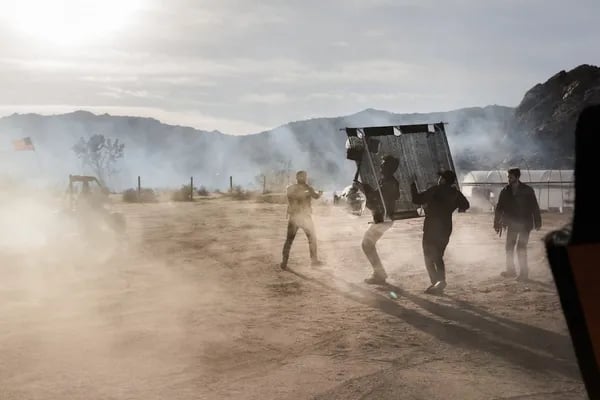
When I visited, the plateau was clearly a Working Studio. Filming for Kuruluş Osman season six was happening that day, and I could see activity up on the hill where a scene was being prepared. We were told we could not go into certain areas “for now,” because the shoot was rolling. It matched what I saw on site: some paths were open, while others were blocked off with staff asking visitors to wait or turn back.
Respecting Active Shoots: What I Could and Couldn’t Do
Because it’s an active set, access can change fast. I learned to be patient and keep my voice low near the shooting zone. Sometimes you can request permission later, but there’s no guarantee.
If a scene is filming, staff may stop you at the entrance.
Photo ops are usually guided, and timing depends on the crew.
Some Visitor Activities (like costume trials) may pause during takes.
Meeting Actors Between Takes
One of the best surprises was meeting actors who have appeared across both Diriliş Ertuğrul and Kuruluş Osman. Between takes, a few of them mingled with visitors, greeted fans, and posed for quick photos. It felt informal and friendly, but still controlled—staff kept the flow moving so the production could continue.
Guided Context: Jokan and the Story Behind the Props
Our tourism coordinator, Jokan, guided us with real care. He explained how certain buildings and props were used across different episodes, and what each structure was meant to represent historically. That context helped me recognize locations I had only seen on screen.
“He said, ‘I will show you everything’—our guide was very kind.”
Costumes, Mini-Museum Displays & Live Performance
Some costume displays worked like a small museum, with outfits linked to specific characters. Near the restaurant area, there can also be a Live Performance or short demonstrations, depending on the day’s schedule. We also experienced Turkish hospitality firsthand.
“We were welcomed with Turkish tea—on the house.”

Historical Context: Ertuğrul, Kayı Tribe & Ottoman Echoes
Ertuğrul Gazi, Osman, and the story the sets are built to hold
Walking onto the plateau, I felt quickly that these spaces don’t just serve drama—they anchor a popular story about Ertuğrul Gazi, his struggle, and the emergence of his son Osman Gazi, the figure linked to the founding of the Ottoman Empire. The TV series Diriliş: Ertuğrul and Kuruluş: Osman made this era feel close for many viewers (including audiences far beyond Turkey), and the sets lean into that public interest in Ottoman history by turning key moments into places you can stand inside.
Söğüt on the plateau: an “early capital” in pop-history form
One stop that stood out to me was the Söğüt area, represented as the first Ottoman capital in the show’s world. Tour commentary often ties it to Ertuğrul’s conquest, dated in storytelling to 1231, and then connects the setting to Osman’s rise. It’s not presented like a museum label; it’s presented like a scene you already know, rebuilt at full scale.
Kayı Tribe symbolism and Seljuk-era echoes
I found myself noticing details that point to Seljuk-era motifs and Kayı Tribe symbolism—patterns, banners, and objects placed to signal identity fast on camera. The most striking piece for me was the Kayı settlement tent area, designed to look “lived in,” even when it’s waiting for visitors.
Tribal space cues: tents, standards, and meeting zones
Power cues: gates, fortifications, and palace-like interiors
Everyday cues: craft corners and communal fire areas
Rituals staged in architecture: councils, battles, and honor
The plateau recreates social rituals I recognized from episodes: council gatherings where judgments are announced, battle assemblies, and ceremonial entries for horses. These layouts are built for movement—where a leader enters, where people line up, where the camera “expects” the crowd to be.
“Seeing the Kayı spaces made the story of Osman Ghazi feel immediate.”
“This is a dramatized echo of Ottoman history, not a textbook.”
For history buffs, that framing matters: these are dramatized replicas, not academic reconstructions, but they can still spark curiosity—like a tangible primer to the Ottoman rise, a living classroom for pop-history.
Visitor Activities: What I Did (And What You Can Do)
Traditional Costumes: Try Them On, Then See the Real Pieces
One of my favorite Visitor Activities was the costume area. I tried on Traditional Costumes for quick photos, and then walked into the tents where original-looking outfits were displayed. Seeing items linked to characters like Malhun Hatun and Turgut up close made the show feel more real. Some tours include a dedicated costume stop, but availability can change depending on the package and crowd.
Sitting Inside Ertuğrul’s Tent
I was allowed to step into the main tent set and sit down for a moment. The textures—rugs, cushions, and the low seating—gave me a strong, simple nostalgia.
“I sat inside the tent I had only seen on TV before.”
Most visitors can enter many sets, but if a scene is being prepared, certain corners may be blocked off.
Live Moments: Short Performances and Meeting Actors
There were brief live performances and small staged moments, the kind tours often include to keep the energy up. Near the tents, actors also appeared and welcomed visitors. In my case, they were friendly and open, and sometimes even helped guide people toward spots that felt “special” (while still respecting restricted areas).
Food Breaks and Turkish Tea Hospitality
The on-site restaurant worked as both a rest area and a meeting point. After eating, we were served tea in a way that felt like real Turkish hospitality.
“They brought us Turkish tea as guests—no bill.”
This is also where many tours add local food sampling, so you may get small tastes even if you do not order a full meal.
Horseback Riding, Crafts, and Photo Walks
Beyond the main sets, I explored bazaar-style stalls and the “palace” film areas for photos. Depending on your tour, you may also find interactive options like:
Horseback Riding or horse displays
Traditional craft demonstrations
Extra time in the bazaar for shopping
Souvenirs (Small but Meaningful)
I bought a small souvenir as a keepsake. Some tour plans include a specific souvenir shop stop, while others leave it as free time—so it helps to ask your guide early.
Practical Tips, Bookings & Best Times to Visit
Bookings for Filming Locations (and why a local coordinator helps)
I didn’t want to show up and get turned away, so I followed the simplest advice I heard: contact a local coordinator first. As the transcript says, “If you want to see the set, contact Mamun—he’ll arrange it.” This matters because access can change fast when a crew is working. Local coordinators often know the day’s rules, meeting points, and which areas are open.
“If you want to see the set, contact Mamun—he’ll arrange it.”
Best times to visit: plan around active shoots
For the best Tour Highlights, I’d book ahead and aim for production downtimes. When Kuruluş Osman is filming (I heard season activity can restrict areas), some spaces may be blocked, and inside-set filming can be limited.
“Some places are off-limits because shooting is in progress.”
Getting there on an Istanbul Tour (tram + metro + taxi)
My route felt very Istanbul: tram first, then metro, then taxi. I waited at Sultanahmet Tram Station and planned to connect onward rather than trying to do it all by one ride. The sets in Riva are about 34 km from central Istanbul—roughly 1 hour by car depending on traffic—so I kept buffer time.
Transit option: Turkish Airlines pickup tours
If you’re on a long layover, check whether you qualify for a Turkish Airlines transit tour. I’ve seen eligibility windows around 6–20 hours, and some programs include pickup plus a guided visit, which can simplify logistics.
What to pack + comfort tips
Comfortable shoes: hillside paths and uphill approaches are common.
Light layers + water: seaside weather can turn windy, and deep metro stations can blow cold drafts.
Stairs/escalators: plan extra time for underground station changes.
Photography + budget notes
Best angles: if you’re on a shuttle, front-seat passengers get the clearest exterior views.
Restrictions: inside sets may limit filming during active production.
Item | What I observed |
|---|---|
Walk-through ticket | $75 (paid by credit card); confirm current price and what’s included |
Wild Cards: Two Thought Experiments and a Quote
Thought Experiment #1: A Torchlit Night Tour
I kept thinking about a simple “what if”: what if the plateau offered a night walk, with torchlight moving between the tents? In daylight, I can see the set as a working place—tourism, production, and hospitality sharing the same space. But at night, the shadows would hide the modern edges. The drama might feel sharper, and the quiet between tents might feel like a scene pause. It would also open new Interactive Activities, like guided storytelling stops or a short, staged council moment under the stars.
Thought Experiment #2: A Time Capsule Curated by Writers
Here’s my second “wild card” idea: the plateau is like a time capsule, but not one sealed by historians. It feels curated by TV writers. When I entered the settlement area, the guide pointed out how you can “go in this way,” and then we reached the first tent—big, central, and clearly meant to be recognized. Seeing many tents together creates that fan reaction: “I know this place.” It’s not a museum label; it’s memory from episodes, turned into a walkable space.
An Unexpected Scene: Tea That Breaks the Illusion
Then something small reset the mood. They offered complimentary tea—no bill, no sales pitch. For a moment, the cinematic illusion faded and Turkish Traditions came forward: hospitality first, visitor second. Even near the Souvenir Shop, that tea made the visit feel less like a transaction and more like being hosted.
Possible Future: VR Council Scenes
Since the studio opened in 2014 and expanded in 2017, it already shows a pattern of growth. A realistic next step could be VR or AR: put on a headset and reenact a council scene, or “stand” in the tent while the dialogue plays around you. It fits the site’s mix of production and tourism, and it could serve international visitors from the Middle East, Central Asia, Africa, the Balkans, and Latin America.
Creative Pairing: Plateau + Bosphorus
Morning at the tents for story-world immersion
Afternoon transit into Istanbul
Evening Bosphorus cruise for a clean cultural contrast
“I will show you everything—come with me.”
“They served us tea as guests—no bill.”
Conclusion: What I Took Home from Riva
Film Plateau, Ertugrul Sets, and the feeling of a real place
Riva surprised me because the Film Plateau is not just a backdrop. It is a working studio, a tourist stop, and a kind of cultural theater all at once. Bozdağ runs it as an entertainment production center, but it also welcomes visitors, which creates a special energy: part “behind the scenes,” part “step into the story.” For Istanbul Visitors, it’s close enough to feel easy, yet different enough to feel like a small escape.
Why it felt like a pilgrimage
As a fan, walking into the Ertugrul Sets felt like recognition and nostalgia at the same time. I could touch props, stand near familiar tents, and hear small anecdotes that made the show feel human again. I kept thinking about how many scenes were built from wood, fabric, and careful lighting—and how quickly my mind turned them into “history.”
‘‘It felt like a pilgrimage; I left changed in a small way.’’
Logistics that made the day work
Getting there also became part of the memory. I went down into the metro, rode under the Bosphorus, and popped up on the Asian side at Üsküdar—fast, smooth, and a little unreal. From there, the rest was simple: a taxi or shuttle toward Riva, plus some walking once I arrived. At about 34 km from Istanbul, it’s a clean daytrip, not an expedition. My ticket was $75, and the site’s timeline helped me frame it: built in 2014, expanded in 2017, and now hosting multiple series.
What I learned (and what I’d do next time)
I left with a new respect for how TV shapes our historical imagination—how a set can teach emotion even when it isn’t a museum. One practical note: because Bozdağ is actively filming (season 6 is a good example), access can change. My final tip is simple: book ahead, aim for non-shooting days, and be ready to drink more Turkish tea than you expected. If you go, share your photos—I still get a thrill seeing a familiar tent on screen after the visit.
