
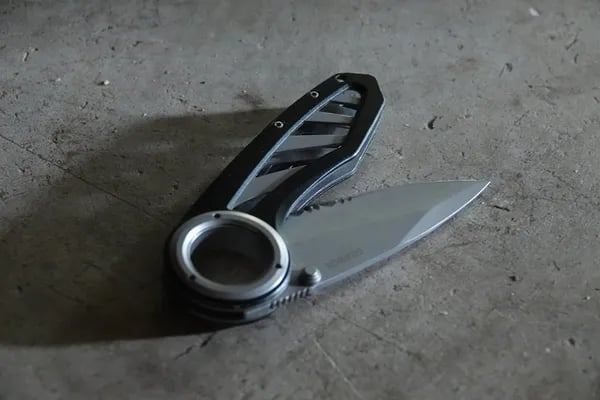


Few tools match the quiet usefulness of a well-made pocket knife. From opening packages and making small repairs to supporting outdoor activities and travel readiness, a reliable blade earns its place as a daily companion across cultures and lifestyles. What was once seen purely as a utility item has evolved into a thoughtfully engineered tool, balancing safety, portability, durability, and design.
Choosing the best pocket knife today involves more than brand recognition or blade size. Steel quality, locking mechanisms, ergonomics, weight, maintenance requirements, and local carry considerations all influence how practical and comfortable a knife will be for everyday use. In this evergreen guide, we break down the essential features, real-world applications, and smart selection strategies that help you invest in a pocket knife that delivers long-term value, reliability, and confidence—whether for urban life, outdoor adventures, or everyday problem-solving.
Meet Your Everyday Companion: Pocket Knife Features You Shouldn't Overlook
When it comes to everyday carry, a pocket knife is more than just a tool—it's a reliable companion ready to tackle daily tasks, unexpected fixes, and even outdoor adventures. The best pocket knives in 2025 are designed with a blend of cutting-edge materials, smart engineering, and user comfort in mind. Let’s break down the pocket knife features you should never overlook, so you can find the perfect fit for your needs.
Overview of Key Features & Benefits
Choosing a compact pocket knife isn’t just about picking the sharpest blade. It’s about understanding the details that make a knife safe, durable, and easy to use. Here’s what to look for:
Blade Steel: Modern steels like AUS10A , CPM-S30V , and Nitro-V are game-changers. AUS10A offers a great balance of toughness and corrosion resistance, making it ideal for daily use. CPM-S30V is prized for its superior edge retention and durability, perfect for heavy-duty tasks. Nitro-V is gaining popularity for its fine grain and ease of sharpening, making it a favorite among enthusiasts.
Blade Shapes: The shape of your blade matters. A clip-point blade excels at precision cutting and piercing (think opening packages or slicing fruit). The sheepsfoot blade, with its rounded tip, is safer for controlled slicing—great for food prep or whittling. The reverse tanto combines strength and versatility, making it a solid all-rounder for both utility and self-defense.
Locking Mechanisms: Safety is non-negotiable. Innovative locks like the Demko Shark Lock , Compression Lock , AXIS lock , and SpeedSafe assisted opening ensure the blade stays put when you need it most. As outdoor gear specialist James Morgan says,
"The lock mechanism can make or break your knife's safety and ease of use."
Handle Materials: Comfort and grip are crucial, especially for prolonged use. Materials like G-10 and micarta offer a secure, textured grip even in wet conditions, while lightweight polymers provide durability without adding bulk.
Ambidextrous Carry & Pocket Clips: Many top knives now feature reversible pocket clips and ambidextrous designs, making them easy to carry and access whether you’re right- or left-handed.
Smooth Deployment: A well-designed knife opens smoothly and safely, whether you’re using one hand or two. This is essential for both convenience and accident prevention in everyday scenarios.
Blade Steel Comparison: Popularity & Durability

Why These Features Matter
Imagine slicing an apple on a hike, opening a stubborn package at work, or making a quick repair at home. The right blade steel means your knife stays sharp and rust-free. The right lock keeps your fingers safe. A comfortable handle means you won’t get blisters, and ambidextrous features make sure anyone can use it with ease. These are the details that transform a simple tool into your everyday hero.
The Good, The Bad, and The Sharp: Pocket Knife Pros and Cons Explored
If you’ve ever wondered whether carrying a pocket knife is worth it, you’re not alone. The best pocket knives are more than just sharp tools—they’re everyday carry essentials that blend utility, portability, and style. Whether you’re opening packages, prepping food on a hike, or handling unexpected repairs, a reliable pocket knife can be your go-to companion. But like any tool, pocket knives come with their own set of pros and cons. Let’s break down what makes them great, where they might fall short, and how to choose the right one for your needs.
Overview of Best Pocket Knife Key Features & Benefits
Modern pocket knives are designed with versatility in mind. Most feature a folding blade that tucks neatly into the handle, making them safe and easy to carry. High-quality steels like S35VN or VG-10 are popular for their exceptional edge retention, while lightweight handles (often made from G10, titanium, or carbon fiber) keep things comfortable in your pocket. Some models even include extra tools—think screwdrivers, bottle openers, or scissors—making them true multitaskers.
As Sarah Patel, a respected tactical gear reviewer, puts it:
"A good pocket knife balances portability with functionality."
This balance is what makes the best pocket knives stand out in everyday life, outdoor adventures, and even tactical situations.
Pocket Knife Pros and Cons
Pros:
Versatility: Handles daily tasks like opening boxes, food prep, and minor repairs, plus outdoor and tactical uses.
Compact & Lightweight: Easy to carry in your pocket, bag, or on a keychain—perfect for everyday carry (EDC).
High-Quality Steel: Premium steels offer long-lasting sharpness and edge retention, reducing the need for frequent sharpening.
Wide Price Range: Options range from budget-friendly ($20) to premium collector’s pieces ($1000), so there’s something for every budget. Check latest price here
Cons:
High-End Pricing: Top-tier knives with advanced steels and materials can be expensive, sometimes reaching $1000.
Strength Trade-Offs: Some ultra-lightweight or compact knives may sacrifice robustness, making them less suitable for heavy-duty tasks.
Learning Curve: Locking mechanisms and safe handling require practice, especially for beginners.
Legal Restrictions: Pocket knife laws vary by region, so always check local regulations before carrying.
SVG Pie Chart: Distribution of Pocket Knife Uses
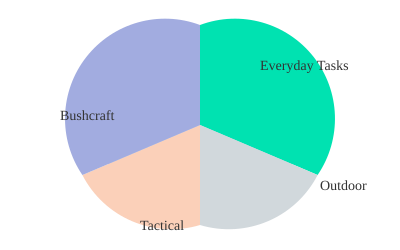
From everyday chores to wilderness survival, pocket knives prove their worth in countless scenarios. But it’s important to weigh the pocket knife pros and cons before making your choice. Consider your typical use, desired features, and budget to find the best pocket knife for your lifestyle.
What Fits You Best? Pocket Knife Use Cases and Buyer Profiles
When it comes to finding the best pocket knives for your needs, it’s all about matching the right tool to your lifestyle. A pocket knife isn’t just a blade—it’s a daily companion, a problem-solver, and sometimes, a lifesaver. Whether you’re an outdoor explorer, a city commuter, or a collector, your ideal everyday carry pocket knife will look a little different. As Emilio Sanchez, EDC Enthusiast, puts it:
"Choosing the right knife is about matching the tool to your daily needs."
Overview of Pocket Knife Key Features & Benefits
Pocket knives come in a range of shapes, sizes, and functionalities. Some prioritize compactness and portability, while others focus on strength and durability. The most important features to consider include:
Blade Shape: Drop point, tanto, and clip point blades each excel in different tasks.
Locking Mechanism: Liner locks, frame locks, and back locks offer varying levels of safety and ease of use.
Handle Ergonomics: A comfortable grip makes a big difference, especially for beginners or heavy users.
Deployment: Assisted opening and thumb studs make for quick, one-handed access.
Steel Quality: High-end steels stay sharp longer and resist corrosion, appealing to collectors and outdoor users alike.
Pros and Cons
Pros:
Versatile for a range of tasks
Compact and easy to carry
Many safety features available
Wide range of prices and styles
Cons:
Some models require regular maintenance
Legal restrictions in certain areas
Not all knives are suited for heavy-duty work
Best Use Cases and Who Should Buy It
Outdoor Enthusiasts: If you love hiking, camping, or bushcraft, a robust, full-sized knife with a strong lock and a versatile blade (like a drop point) is your best friend. These knives handle wood carving, food prep, and even emergency situations with ease.
Everyday Carry (EDC) Users: For daily urban life, compact knives with smooth deployment and reliable safety features are ideal. Think of opening packages, cutting fruit, or quick fixes on the go. Slim, lightweight models fit easily in your pocket or bag.
Tactical Users: Law enforcement, military, or anyone needing a reliable backup tool should look for knives with tough steel, aggressive blade shapes, and rock-solid locking systems. Quick, one-handed opening is a must.
Beginners: If you’re new to pocket knives, start with a simple, ergonomic design. Look for easy-to-use locks and a comfortable grip—something that feels natural in your hand and isn’t intimidating to maintain.
Collectors: For those who appreciate craftsmanship, unique blade shapes, premium materials, and limited editions are the draw. These knives might be more for display or specialized uses, but quality and aesthetics are key.
How to Choose the Right One
Consider your primary activities. For urban EDC, compactness and ease of carry matter most. For outdoor use, prioritize strength and blade versatility. Beginners should focus on user-friendly designs, while collectors can explore rare steels and custom handles. Matching blade shape and lock type to your intended use will greatly improve satisfaction.

Navigating the Blade Maze: How to Choose the Right Pocket Knife for You
Choosing the best pocket knife can feel like navigating a maze—there are so many options, features, and price points. As someone who’s tested dozens of blades for daily carry and outdoor adventures, I’ve learned that the right knife is a blend of personal preference, practical needs, and smart investment. In this section of my pocket knife buying guide 2025 , I’ll break down the key factors to help you confidently pick the perfect blade for your lifestyle.
Identify Your Primary Use
Start by asking yourself: What will I use my pocket knife for most? This single question narrows your choices dramatically. Here are some common use cases:
Everyday Tasks: Opening packages, slicing fruit, or quick fixes around the house. Look for a compact, lightweight knife with a simple locking mechanism.
Outdoor Survival: Camping, hiking, or fishing? Opt for a robust blade with premium steel and a secure grip.
Tactical Needs: Law enforcement or self-defense requires fast deployment and reliable locks.
Collection: If you’re a collector, unique designs, limited editions, and premium materials may matter most.
Blade Steel, Shape, and Locking Mechanism
Blade steel is the heart of your knife. Premium steels like S35VN or M390 cost more but offer superior edge retention and corrosion resistance. If you’re on a budget, 8Cr13MoV or AUS-8 are solid choices for everyday use. The blade shape matters too—drop points are versatile, while tanto or sheepsfoot blades excel in specific tasks.
Locking mechanisms (liner lock, frame lock, axis lock) affect safety and ease of use. For example, an axis lock is ambidextrous and smooth, while a frame lock is ultra-secure for heavy-duty work.
Handle Ergonomics and Carry Style
The handle should fit your hand comfortably—try gripping different knives in-store if possible. Materials like G10, titanium, or micarta offer varying levels of grip and durability. Also, consider how you’ll carry your knife: pocket clip orientation (tip-up or tip-down), weight, and whether you need a left-handed or ambidextrous design.
Budget vs. Features
There’s a clear link between price and features. Entry-level knives ($20–$50) are great for light tasks, but premium models ($100+) deliver better steel, smoother action, and longer life. As Rachel Kim, a respected gear reviewer, says:
“Don’t rush buying decisions; a good pocket knife is a lifelong companion.”
Think of your knife as a tool you’ll use for years—sometimes, spending a bit more upfront pays off in the long run. Check latest price here
Read Reviews and Try Before You Buy
Specs only tell part of the story. I always recommend reading customer reviews and, if possible, handling knives in person. What feels perfect in your hand might surprise you. Comfort, balance, and deployment speed are best judged firsthand.
Quick Comparison Table: Popular Blade Shapes
Blade Shape | Best For | Common Users |
|---|---|---|
Drop Point | General use, versatility | Everyday carriers |
Tanto | Piercing, tactical | First responders |
Sheepsfoot | Precision, safety | Rescue, sailing |
In short, the best pocket knives are those that match your needs, fit your hand, and feel right every time you reach for them. Take your time, weigh your options, and remember—your perfect blade is out there.
Keep It Sharp and Ready: Pocket Knife Maintenance and Care Tips
When it comes to getting the most from your best pocket knife , regular maintenance is the secret to keeping it sharp, safe, and reliable for years to come. Whether you use your knife for opening packages, camping, or everyday tasks, a little care goes a long way. As Michael Thompson, a renowned knife maintenance expert, wisely says:
"A well-maintained knife is a safe knife."
Pocket Knife Maintenance Tips: The Basics
Think of your pocket knife like a trusty bicycle. If you ignore the chain or let dirt build up, it won’t work smoothly—and it might even become dangerous. The same logic applies to your knife. Here are the essential pocket knife maintenance tips every owner should follow:
Regular Sharpening: A dull knife is more dangerous than a sharp one because it requires more force and can slip. Use a whetstone, sharpening rod, or a guided sharpener every 3–6 months, depending on how often you use your knife. For example, if you use your knife daily for work, sharpen it more frequently. If it’s only for camping trips, a few times a year may be enough.
Cleaning After Use: After each use, especially if you cut food, rope, or anything sticky, wipe the blade with a soft cloth. For deeper cleaning, use warm soapy water and a brush to remove debris. Make sure to dry the knife thoroughly to prevent rust.
Lubricating Moving Parts: The pivot and locking mechanism are the heart of your pocket knife’s action. Apply a drop of light oil (like mineral or specialized knife oil) after each cleaning or at least once a month for regular use. This keeps the blade opening smoothly and the lock reliable.
Proper Storage: Store your knife in a dry place, away from moisture and dust. A dedicated pouch or case is ideal. Avoid leaving your knife in damp environments, like a bathroom or a wet backpack, as this can cause corrosion and damage.
Safety Checks: Before each use, check the locking mechanism to ensure it’s working correctly. A faulty lock can lead to accidents. If you notice any play or weakness, address it immediately—sometimes a simple tightening of a screw is all it takes.
Avoiding Abuse: Use your pocket knife only for its intended purposes. Don’t pry open cans, hammer nails, or cut materials harder than what the blade is designed for. This prevents chips, bends, and other damage.
Pocket Knife Safety Tips: Real-World Examples
Imagine you’re out hiking and need to cut some rope for your tent. A sharp, clean blade makes the job quick and safe. But if your knife is dull or the lock is sticky, you risk slipping or the blade folding unexpectedly. Regular maintenance not only extends your knife’s life but also keeps you safe in every situation.
Quick Reference Table: Maintenance Frequency
Task | Recommended Frequency |
|---|---|
Sharpening | Every 3–6 months (or as needed) |
Lubrication | After every cleaning or monthly |
Cleaning | After each use |
Safety Check | Before each use |
By following these pocket knife care guidelines, you’ll ensure your knife is always ready for action—no matter where life takes you.
Final Verdict: Our Take on the Best Pocket Knives for 2025
After extensively reviewing the best pocket knives for 2025, I can confidently say that the right pocket knife is more than just a tool—it’s a daily companion that adapts to your lifestyle, whether you’re navigating city streets or exploring the great outdoors. As Linda Chen, a respected outdoor gear reviewer, puts it:
"The right pocket knife is not just a tool, it’s your trusted everyday companion."
What Makes the Best Pocket Knives Stand Out?
Our top picks for this year combine three essential qualities: durable steel blades , secure locking mechanisms , and ergonomic handles . These features ensure that your knife is reliable, safe, and comfortable to use in any situation. Compact models are perfect for urban everyday carry (EDC), slipping easily into your pocket or bag, while heavier, more robust knives are ideal for outdoor adventures or tactical needs.
Pros and Cons of Leading Pocket Knives
Pros:
High-quality steel for long-lasting sharpness
Secure locks prevent accidental closure
Comfortable, non-slip handles
Wide range of sizes and styles for every user
Many excellent options available under $300
Cons:
Some premium models can be pricey
Heavier knives may be less convenient for daily carry
Complex locking systems can be tricky for beginners
Best Use Cases: Who Should Buy Which Knife?
If you’re looking for a knife for everyday carry , a compact, lightweight model is your best bet—think quick errands, opening packages, or minor repairs. For outdoor enthusiasts or those needing a tactical edge , a larger, heavy-duty knife with a robust locking mechanism and grippy handle will serve you well. Remember, the best pocket knife is the one that fits your hand, your skill level, and your daily routine.
Choosing the Right Pocket Knife for You
Don’t be swayed by flashy features or brand hype. Instead, focus on:
Blade material —look for stainless or high-carbon steel for durability
Locking system —safety first, especially for beginners
Handle design —ergonomics matter for comfort and control
Price —the sweet spot for value is typically $75–$300
Check latest price here or see customer reviews here to compare options.
Maintenance & Care Tips
A well-maintained knife lasts longer and performs better. Always clean your blade after use, keep it dry, and sharpen it regularly. Lubricate the pivot and locking mechanism for smooth operation. Store your knife safely to prevent accidents and damage.
Our Pocket Knife Recommendations
To sum it up, the best pocket knives for 2025 are those that balance quality, safety, and practicality. Whether you’re a beginner or a seasoned user, prioritize a knife that matches your needs and skill level. Investing in a high-quality blade pays off in reliability and peace of mind—making your pocket knife a true everyday essential.
Frequently Asked Questions About the Best Pocket Knives
As we wrap up this ultimate guide to the best pocket knives for everyday carry, I want to address some of the most common questions I hear from readers and fellow enthusiasts. Whether you’re a first-time buyer or a seasoned collector, these answers will help you make informed decisions, keep your knife in top shape, and stay safe and legal wherever you go.
What blade steel should I choose for everyday carry?
Choosing the right blade steel is crucial for both performance and maintenance. For most everyday carry (EDC) needs, stainless steels like 8Cr13MoV, AUS-8, or VG-10 are popular because they offer a good balance of edge retention, corrosion resistance, and ease of sharpening. If you want something that holds an edge longer and resists rust, consider premium steels like S30V or S35VN. However, these can be harder to sharpen if you’re new to pocket knives. For beginners, I recommend starting with a reliable stainless steel that’s easy to maintain. Remember, the best steel for you depends on how you plan to use your knife and how much time you want to spend on maintenance.
How do locking mechanisms differ and which is safest?
Locking mechanisms are a key safety feature in modern pocket knives. The most common types include liner locks, frame locks, lockbacks, and axis locks. Liner and frame locks are easy to operate with one hand and are very popular for EDC. Lockbacks are known for their reliability and are often found in classic designs. Axis locks, found in brands like Benchmade, are ambidextrous and offer smooth operation. In terms of safety, all these locks are effective if used correctly, but I find lockbacks and axis locks provide a little extra security, especially for beginners. Always make sure your knife is fully locked before use, and never force it closed.
Can I carry pocket knives legally in all places?
This is a very important question, and the answer is: it depends on where you live or travel. Pocket knife laws vary greatly between countries, states, and even cities. Some places restrict blade length, locking mechanisms, or even the ability to open the knife with one hand. Always check your local laws before carrying a pocket knife, and be especially careful when traveling. If you’re unsure, opt for a non-locking, small-bladed knife, as these are often legal in more places. When in doubt, leave your knife at home to avoid legal trouble.
How often should I sharpen my pocket knife?
The frequency of sharpening depends on how often you use your knife and what you use it for. As a general rule, if you notice your knife isn’t slicing cleanly or starts to slip while cutting, it’s time to sharpen. For most EDC users, a quick touch-up every few weeks is enough. Remember, regular maintenance is easier than fixing a dull or damaged blade. Use a simple sharpening stone or guided system, and don’t forget to clean and oil your knife after sharpening. For more pocket knife maintenance tips, check out our dedicated section above.
What are some beginner-friendly pocket knives?
If you’re new to pocket knives, look for models that are easy to open, have a secure lock, and use a simple, reliable blade steel. Brands like Opinel, Victorinox, and Spyderco offer excellent beginner pocket knives. The Opinel No. 8 is a classic, lightweight option, while the Victorinox Swiss Army Knife is perfect for those who want extra tools. Spyderco’s Tenacious is a great choice for those ready to explore modern designs. Always start with a knife that feels comfortable in your hand and suits your daily needs.
In conclusion, choosing the best pocket knife comes down to understanding your needs, prioritizing safety, and staying informed about local laws. With the right knowledge and a little care, your pocket knife will be a trusty companion for years to come.
