
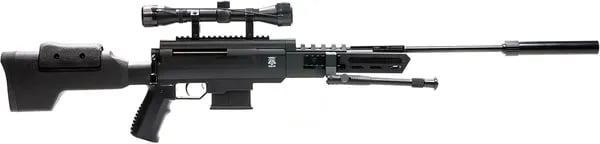



Precision has a way of exposing every weakness—both in equipment and technique. I learned that lesson early, when a once-reliable airsoft sniper rifle began losing accuracy after a single demanding outing. That experience reshaped how I evaluate sniper platforms, maintenance habits, and long-term performance. Airsoft sniper rifles are not just about power or range; they are finely balanced systems where build quality, consistency, and care matter as much as skill behind the trigger.
This article offers a clear, experience-driven look at what truly defines the best airsoft sniper rifles today. From understanding core mechanics and upgrade potential to avoiding common mistakes that quietly erode accuracy, the goal is simple: help you make informed, confident decisions. Whether you are a newcomer exploring long-range play or an experienced enthusiast refining your setup, this guide focuses on durability, precision, and real-world usability—cutting through hype to highlight what actually performs when it counts.
A Crash Course: What Makes Airsoft Snipers Different?
When I first held an airsoft sniper rifle , I thought it would be like playing a first-person shooter game. Point, shoot, and watch targets drop from across the field. Boy, was I wrong. My first scouting mission taught me that airsoft snipers operate in a completely different world than assault rifles or pistols.
Precision vs. Rate of Fire: The Core Trade-off
The biggest difference between airsoft snipers and other guns is simple: precision over speed . While assault rifles can fire hundreds of BBs per minute, the best airsoft snipers focus on making every single shot count. You're trading rapid-fire chaos for surgical accuracy and long-range impact.
I learned this the hard way during my first match. I was positioned on a hill, watching enemy players move below. The distance looked easy—until the wind started affecting my shots. That's when I realized accuracy in real gameplay isn't about Hollywood-style headshots. It's more like chess strategy, where patience and positioning matter more than flashy moves.
Three Types of Airsoft Sniper Rifles
Understanding airsoft sniper features starts with knowing the three main types:
Spring-powered snipers: Manual bolt-action with 30-50m effective range. Most reliable and quiet.
Gas blowback snipers: Semi-automatic action with 40-60m effective range. Realistic feel but weather-dependent.
Electric (AEG) snipers: Battery-powered with 35-55m effective range. Consistent performance in all conditions.
Each type uses heavier BBs (0.36g – 0.45g) compared to regular airsoft guns, which helps maintain accuracy over longer distances.
Popular Brands and Their Standout Features
Brand | Type | Key Feature |
|---|---|---|
Novritsch | Spring/Gas | Custom upgrade compatibility |
Tokyo Marui | Electric | Consistent hop-up system |
Silverback | Spring | Realistic bolt-action feel |
The Sniper's Role: Patience Over Flash
As airsoft team captain Alex Chen puts it:
"A well-tuned airsoft sniper can change the outcome of a match—even if you only take two shots the entire day."
This quote perfectly captures what makes snipers special. You're not the player getting the most eliminations. Instead, you're controlling the battlefield's tempo , gathering intelligence, and taking crucial shots that shift the game's momentum.
Snipers often spend entire matches in one position, watching and waiting. It requires a different mindset—one focused on discipline and focus rather than constant action. Your team relies on you to be their eyes and ears, providing overwatch and eliminating key targets when opportunities arise.
The precision and patience required are defining traits that separate airsoft snipers from every other role on the field. Choosing the right type for your play style becomes crucial because each variant demands different skills and offers unique advantages in specific situations.
Zeroing In: Must-Have Features & Unexpected Benefits
When I first started hunting for the best airsoft snipers , I made the classic mistake of focusing only on looks and price. Big mistake. After nearly ruining my first rifle with poor maintenance and overlooking crucial features, I learned what really matters in airsoft sniper features .
The Hop-up System: Your Secret Weapon
Let me be clear about this: the hop-up bucking is the heart of your rifle's accuracy. As the Novritsch Technical Team puts it:
"Never ignore the hop-up—if you want consistent shots, it's key."
The adjustable rubber bucking creates backspin on your BBs, dramatically improving range and trajectory. But here's what I wish I'd known earlier: clean hop-up bucking and the right materials define reliability and lifetime performance . A dry, clean bucking is non-negotiable for consistent shots. I learned this the hard way when my groupings went from tight to embarrassingly scattered.
Materials That Actually Matter
The metal versus polymer debate isn't just about durability—it's about your playing style. Metal-bodied rifles typically weigh around 2.8kg , while polymer versions come in at 2.1kg . That 700-gram difference becomes huge during long games.
Metal construction offers that authentic feel and can handle rough treatment, but polymer isn't the cheap option many think it is. Quality polymer rifles resist weather better and won't dent your budget or your shoulders during extended play.
Sights and Scope Mounts: Real Performance at Range
Most players use 3-9x magnification scopes, and for good reason. At 60 meters, this range gives you the precision needed without tunnel vision. The key isn't just the scope—it's the mount quality. Cheap mounts will have you re-zeroing constantly, while solid mounts maintain accuracy through hundreds of rounds.
The Trigger Feel Paradox
Here's where I nearly destroyed my first rifle. I thought a hair-trigger would improve my accuracy, so I attempted a DIY trigger modification. Wrong move. The factory trigger's slight stiffness actually helps with shot control and prevents accidental discharges during tense moments. Learn from my expensive mistake: stick with quality factory triggers.
Hidden Benefits You'll Actually Use
Some unexpected perks make certain rifles stand out:
Quiet actions keep you undetected during crucial moments
AEG magazine compatibility means cheaper, higher-capacity options
Stealth-friendly finishes that don't reflect light
Quality rubber seals and O-rings for consistent air-seal performance
Many beginners overlook those rubber seals, but they're critical for maintaining consistent power and accuracy over time.
Feature-Packed Isn't Always Better
I've tested rifles loaded with features that sounded impressive on paper but proved useless in actual gameplay. The best airsoft snipers focus on core performance: reliable hop-up systems, solid construction, and consistent accuracy. Extra bells and whistles often mean more potential failure points and higher maintenance needs.
Focus on rifles that nail the fundamentals rather than those trying to do everything. Your accuracy and wallet will thank you.
Pros & Cons of Top Airsoft Snipers (From My Collection)
After years of collecting and field-testing various airsoft snipers, I've learned that every rifle comes with its own set of strengths and challenges. Let me share my honest airsoft sniper reviews based on real gameplay experiences, including the hidden costs and physical demands that caught me off guard as a beginner.
The Major Advantages
Pinpoint Accuracy at Range – When maintained properly, these rifles are terrifyingly reliable. I've made shots at 200+ feet that left opponents scratching their heads, wondering where the BB came from. The precision is unmatched compared to AEGs or pistols.
Tactical Gameplay Enhancement – Snipers completely change how you approach airsoft. They slow the game down to a mind-game-filled standoff where patience and positioning matter more than trigger-happy spraying. You become the chess player while others play checkers.
Stealth Advantage – The quietest shots often win games. When your lubes and seals are properly tuned, you can eliminate targets without revealing your position to nearby enemies. This silent operation has saved my team countless times.
The Real Drawbacks
Physical Demands – Heavy rifles wear you down, especially when trekking across muddy fields. Ask my back! Most popular snipers weigh between 2-3.5 kg, and after a full day of gameplay, you'll definitely feel it. The weight becomes more noticeable during long stalking missions.
High Maintenance Requirements – One cleaning slip can tank your performance until fixed. I learned this the hard way during a tournament when my rifle's accuracy dropped mid-game due to a maintenance lapse. Maintenance tips become crucial knowledge – you need cleaning every 5,000 shots or approximately every 6 months.
"Upgrading is addictive, but a good cleaning kit is priceless." – Field tech Marcus Flynn
Expensive Upgrade Temptation – This is where many players get trapped. Entry-level upgrades start around $50, but full custom setups can exceed $300+. The temptation to constantly improve your rifle becomes an endless wallet drain. Some models allow simple piston upgrades for easy repair, while others require complex modifications.
Airsoft Sniper Pros and Cons Summary
Pros | Cons |
|---|---|
Exceptional long-range accuracy | Heavy weight (2-3.5 kg average) |
Promotes tactical thinking | High maintenance requirements |
Silent operation advantage | Expensive upgrade costs |
Game-changing precision | Physical strain during long games |
The key insight I've gained is that good maintenance minimizes cons and maximizes sniping enjoyment . A well-maintained rifle transforms from a burden into a precision instrument that dominates the battlefield. However, neglecting care routines will quickly turn your investment into an expensive paperweight.
Understanding these trade-offs helps you make informed decisions about whether sniper rifles match your play style and commitment level.
Who Really Needs a Sniper Rifle? Best-Use Scenarios & Buyer Profiles
Not everyone needs an airsoft sniper rifle , and that's perfectly fine. But if you're wondering whether you're the right type of player for this precision weapon, let me help you figure it out based on my years of experience.
Perfect Sniper Candidates
Long-range players who want to influence games without constant exposure are the ideal sniper owners. If you enjoy staying back, observing the battlefield, and making strategic shots that change the game's flow, a sniper rifle fits your style perfectly.
I've noticed that introverts, stealth lovers, and those who enjoy hiding excel with sniper rifles. My shy cousin is the perfect example—while the rest of us run around making noise, he finds the perfect spot and outlasts us all. He's eliminated more players from his hidden positions than most aggressive players do charging forward.
"The right sniper turns a supportive player into the team's secret weapon." – Coach Lara Gómez
Wrong Fit Players
Sniper rifles are terrible for players easily frustrated by wind or missed shots . If you get angry when your BB curves unexpectedly or when you miss a crucial shot, stick to automatic weapons. Sniping requires discipline and patience—not qualities everyone enjoys developing.
The adrenaline-only crowd should avoid snipers. If you need constant action and immediate feedback, you'll find sniping boring and frustrating.
Best Airsoft Sniper Use Cases
Your airsoft sniper rifle shines in specific scenarios:
Woodland games with thick cover and long sightlines
Open field battles where range matters
Milsim events with defined objectives and realistic scenarios
Large outdoor fields with 400+ foot engagement distances
Avoid snipers for "run and gun" short-range games or tight CQB environments where your rifle's length becomes a disadvantage.
Buyer Profiles: Teen vs. Tournament Player
A teen's first sniper differs dramatically from a seasoned tactical tournament setup. Beginners should start with youth starter snipers in the $75-120 range, focusing on learning fundamentals rather than expensive upgrades.
Competitive players need precision-tuned rifles that can consistently hit targets at maximum range, often requiring significant customization and higher budgets.
Critical FPS Considerations
Here's a crucial tip: consider your field's FPS limits before buying. Some powerful snipers need downgrades to comply with local rules.
Environment | FPS Limit |
|---|---|
Indoor CQB | 350 FPS |
Outdoor Fields | 500 FPS (bolt-action) |
Always check your local field rules before purchasing. I've seen players buy expensive rifles only to discover they can't use them at their preferred fields.
The best airsoft snipers match your playing style, local field requirements, and commitment level. Take time to honestly assess whether you have the patience and tactical mindset that makes sniping rewarding rather than frustrating.
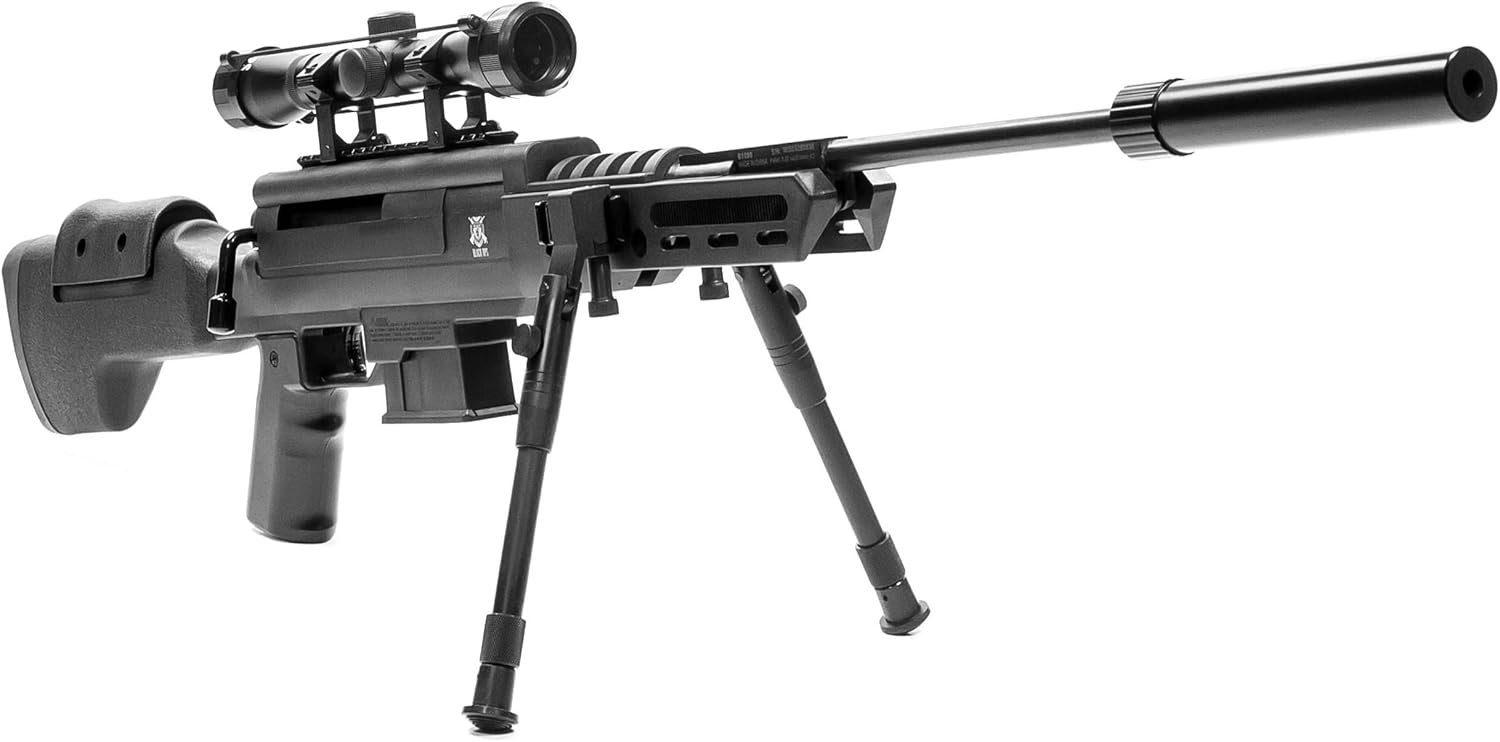
Choosing Wisely: How I (Almost) Bought the Wrong Sniper—A Selection Guide
Picture this: I'm standing in my local airsoft shop, holding what I thought was the perfect sniper rifle. The price tag screamed "bargain," the FPS numbers looked impressive, and the marketing copy promised precision that would make a Navy SEAL jealous. Three months later, I was selling it at a loss and starting over. Here's how you can avoid my expensive mistake when choosing your airsoft sniper rifle .
The Essential Checklist for Airsoft Sniper Recommendations
Smart selection starts with personal goals, not just numbers on paper. Before you even look at prices, create your must-have list:
Accuracy potential: Look for rifles with quality inner barrels and consistent hop-up systems
Build quality: Metal externals last longer than polymer, especially around the bolt and trigger
Scope compatibility: Check if it includes proper mounting rails
Hop-up system: Avoid proprietary designs that limit upgrade options
Magazine compatibility: Standard mags are cheaper and easier to find
Trigger group quality: A crisp trigger improves accuracy more than fancy optics
My $200 Learning Experience
I fell for the classic trap: mistaking marketing for substance. The rifle I bought boasted 500+ FPS and came with a "precision barrel system." What they didn't mention was the proprietary hop-up that nobody made upgrades for, magazines that cost $40 each, and a trigger that felt like pulling taffy.
As airsoft veteran Katrina Vasquez puts it:
"I could've saved $100 if I'd bought for my play style, not just specs."
Feature Prioritization That Actually Matters
Not all upgrades are created equal. Focus your budget on these game-changers first:
Quality hop-up unit: This affects accuracy more than barrel length
Consistent compression system: Better than flashy externals
Adjustable trigger: Improves shot consistency dramatically
Standard parts compatibility: Future-proofs your investment
Skip the expensive bolt handles and fancy stocks until you've mastered the basics.
The FPS Trap
Here's something nobody talks about: buying more power than your field allows. Most fields cap snipers at 450-500 FPS, but many rifles come shooting 550+ out of the box. You'll need to downgrade immediately, wasting money on a spring you can't use. Check your local field rules before buying.
Red Flags in Airsoft Sniper Reviews
When reading reviews, watch for these warning signs:
Multiple mentions of "nonstandard" parts
Complaints about magazine feeding issues
Reports of hop-up adjustments not holding
Durability problems after 1000+ rounds
Don't just skim star ratings—read the actual complaints. They reveal chronic issues that manufacturers won't mention.
Safety First: The Dry-Fire Rule
New players often overlook this: never dry-fire your airsoft sniper without a BB loaded . The piston can damage internal components without the back-pressure from a BB. This simple habit prevents expensive repairs down the road.
Reliable sniper rifles typically cost $180-$450. Anything significantly cheaper usually compromises on essential components, while anything more expensive often pays for cosmetic features rather than performance improvements.
The Maintenance Mindset: Keeping Your Sniper Sharp (and Why Overdoing It Hurts)
Here's something I wish someone had told me earlier: proper airsoft sniper maintenance is like watering a plant. Too little kills it, but too much drowns it. I learned this lesson the hard way when my obsessive cleaning routine nearly ruined my best rifle's accuracy.
The Golden Rule of Airsoft Sniper Maintenance
Most guides recommend general maintenance after every 5,000 shots or every 6 months. But I used to clean my rifle after every single game, thinking more care meant better performance. Wrong. As the Novritsch Academy puts it: "In airsoft, a little maintenance goes a long way—overdoing it just costs you accuracy."
Cleaning the Barrel: Less is More
Cleaning the barrel should happen after every game session, but with a gentle touch. Use a soft cleaning rod with minimal cleaning solution. I used to scrub aggressively, thinking I was being thorough. Instead, I was wearing down the barrel's inner coating and creating microscopic scratches that hurt my accuracy.
The right approach: one gentle pass with a clean cloth on your cleaning rod. That's it. Your barrel doesn't need to be hospital-clean to shoot straight.
My Biggest Maintenance Mistake
I once drowned my hop-up bucking in silicone lubricant , thinking more was better. The result? Wild, inaccurate shots for three entire games before I figured out what went wrong. The hop-up bucking must stay dry and clean for best accuracy. A tiny drop of silicone oil on moving parts is enough—never flood rubber components.
O-rings: The Goldilocks Zone
Gas rifle owners know O-rings are critical for proper sealing. But here's the trick: they need to stay moist, not soaked. I keep mine lightly coated with silicone lubricant—just enough to prevent cracking. Over-lubrication attracts dirt and can cause premature wear.
Important: Only use silicone-based lubricants. Petroleum-based oils and greases will destroy your seals and rubber parts.
Storage Lessons from a Rainy Weekend
One weekend, I stored my rifle in a damp case after a rainy game. Big mistake. The musty smell that greeted me a week later taught me the importance of dry storage . Now I always:
Wipe down all surfaces before storage
Store in a dry environment with silica gel packets
Check for moisture buildup monthly
Smart Maintenance Schedule
I now check my trigger assembly, magazine seals, and barrel regularly—but not obsessively. Here's my balanced routine:
After every game: Quick barrel cleaning and external wipe-down
Monthly: Check O-rings and moving parts
Every 5,000 shots: Full disassembly and inspection
This approach keeps my rifle performing at peak accuracy without the over-maintenance that weakens parts. Remember, your airsoft sniper is built to handle regular use—trust the engineering and avoid the temptation to constantly tinker.
Advanced Care: Deep Dives into Trigger, Barrel, and Gas Blowback Rifle Maintenance
After years of maintaining airsoft snipers, I learned that specialized maintenance—especially for gas systems—requires a steady, not heavy, hand. Let me share the deep-dive techniques that separate amateur tinkerers from serious marksmen, including my embarrassing mistake that taught me everything about trigger care.
Trigger Assembly Care Without the Headaches
I once attempted to fully disassemble my trigger assembly to clean a sticky trigger pull. Three hours later, I was staring at a pile of tiny springs and pins, desperately searching YouTube for reassembly tutorials. Here's what I learned: you don't need full disassembly for effective trigger maintenance .
Instead, use compressed air to blow out debris from trigger housing gaps. Apply a single drop of lightweight gun oil to pivot points while cycling the trigger. This method cleans 90% of performance issues without risking lost components. For stubborn grime, use a cotton swab with denatured alcohol around accessible areas only.
Gas Blowback Rifle Maintenance Essentials
Gas Blowback Rifle maintenance demands attention to three critical areas. First, clean gas ports using thin wire or specialized cleaning picks—never force anything that doesn't fit easily. Blocked gas ports cause weak shots and inconsistent cycling.
O-ring care is crucial for gas system reliability. Lubricate O-rings every 2-3 uses with silicone oil, never petroleum-based lubricants which degrade rubber seals. Check for nicks or hardening during routine inspections.
Magazine Care Tips for Peak Performance
Here's a game-changing Magazine Care Tips revelation: store GBBR magazines with a small amount of gas to keep O-rings properly seated . Empty magazines allow seals to compress and crack over time. This simple trick extends magazine life significantly.
Clean magazine feed lips with soft cloth and inspect for burrs that could damage BBs. Wipe down gas seals monthly, removing any debris that could prevent proper sealing.
Barrel Cleaning Supplies That Actually Work
"Accurate shots start with a clean barrel—always." – Field instructor Will Ngo
Quality Barrel Cleaning Supplies make the difference between maintenance and damage. Use only soft, lint-free cloths and proper cleaning rods—never metal rods that scratch inner barrel surfaces. Clean barrels after every 2-3 full-day games using minimal solvent.
The hop-up bucking requires gentle care since rubber deteriorates easily. Use slightly damp cotton swabs to remove buildup without tearing the material. Remember: the rubber bucking is the soul of your accuracy .
Professional-Level Cleaning Technique
Start cleaning from the breech end when possible to avoid pushing debris toward the hop-up chamber. Use cleaning patches wrapped around appropriate-sized rods, never force oversized materials through the barrel. One smooth pass with proper technique beats multiple aggressive attempts.
For stubborn fouling, use specialized airsoft barrel cleaners sparingly—overuse of solvents can damage internal coatings and rubber components.
Upgrade Considerations
Optional upgrades like precision barrels and upgraded recoil springs can enhance performance, but focus on mastering maintenance fundamentals first. A well-maintained stock rifle outperforms a neglected upgraded one every time.
Frequently Asked (and Rarely Answered!) Questions
After years of fielding questions from fellow airsoft snipers, I've noticed the same concerns keep coming up. These aren't the basic questions you'll find in most guides—these are the real worries that keep us awake at night.
How often should I clean my airsoft sniper barrel for peak accuracy?
Here's the surprising truth: cleaning the barrel after every extended use session is ideal, but overcleaning can actually hurt your accuracy. I learned this the hard way when I was obsessively cleaning my barrel after every 50 shots. The constant cleaning started wearing down the inner surface, making my groupings worse, not better.
For peak performance, clean your barrel after each full day of play or every 300-400 rounds. Use a cleaning rod with a soft cloth patch, never force it, and always clean from the breach end when possible.
Is it safe to use regular gun oil instead of silicone lubricant?
This is probably the most expensive mistake I see new snipers make. Never use regular gun oil on your airsoft sniper. The petroleum-based oils in traditional gun lubricants will destroy your rubber seals and hop-up bucking within weeks.
"Ignore cheap oils; your seals will thank you." – Novritsch Maintenance Team
Only use silicone-based lubricants specifically designed for airsoft. Yes, they cost more, but replacing a ruined hop-up system costs even more.
What's the best storage practice to avoid moisture damage in humid climates?
Living in a humid area taught me this lesson quickly. Moisture is your sniper's silent enemy, causing rust, seal degradation, and accuracy issues. Always store your rifle in a hard case with silica gel packets or use a small dehumidifier in your gun safe.
I keep rechargeable silica gel packs in all my cases and check them monthly. The small investment prevents thousands of dollars in damage.
Do higher FPS ratings always translate into better range or just more trouble?
Higher FPS doesn't automatically mean better performance. I've seen 400 FPS rifles outperform 500 FPS ones consistently. Range depends more on hop-up quality, BB weight, and barrel precision than raw power.
Higher FPS often brings field restrictions, higher maintenance needs, and sometimes worse accuracy due to hop-up limitations. Focus on consistent power output rather than maximum FPS.
What are the top three field blunders to avoid as a sniper?
First, never dry-fire your rifle repeatedly—it damages the piston and cylinder. Second, avoid using BBs heavier than your hop-up can handle; it reduces range and accuracy. Third, don't forget to check your zero before every game day. Temperature and humidity changes affect your point of impact more than you'd expect.
These maintenance tips and field practices have saved me from countless equipment failures and missed shots. The key is developing consistent habits rather than trying quick fixes when problems arise.
