
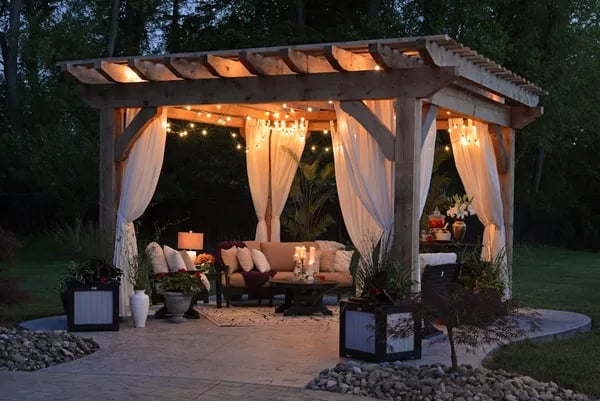



There’s a moment many homeowners recognize: standing in the backyard with a cup of coffee, imagining a shaded escape from the sun or a cozy shelter from an unexpected drizzle. That moment often leads to an important question—should you choose a pergola or a gazebo? While they may seem similar at first glance, these two outdoor structures offer very different experiences, aesthetics, and levels of functionality.
Choosing between them isn’t just a design decision; it’s about how you want to live outdoors. Whether you envision relaxed afternoons under climbing vines or lively dinners protected from the elements, the right choice can redefine how you use your outdoor space. In this guide, we’ll explore the real differences between pergolas and gazebos, their unique advantages, and what to consider before investing—so you can confidently create an outdoor setting that fits your lifestyle, climate, and long-term vision.
Pergola vs. Gazebo 101: What Sets Them Apart?
When I walk through neighborhoods and admire backyard spaces, I notice two popular outdoor shade structures that often get confused: pergolas and gazebos. While both create beautiful gathering spaces, understanding the pergola gazebo differences can help you choose the perfect fit for your yard.
The Basic Structure Breakdown
Think of a pergola as nature's ceiling fan—it provides pergola open air circulation with partial shade through its signature slatted roof design. Pergolas feature four or more vertical posts supporting horizontal crossbeams, with open slats spaced 2-6 inches apart. This creates that lovely dappled sunlight effect we all love.
A gazebo , on the other hand, is like your outdoor living room with a complete roof overhead. Gazebos typically feature a gazebo solid roof that covers 100% of the space below, usually in an octagonal or hexagonal shape that creates an enclosed, private retreat.
Visual and Structural Differences
The most obvious difference in any pergola vs gazebo comparison is the roof design. Pergolas showcase open crossbeams that allow flexible shade and airflow, perfect for those who want some sun filtering through. Gazebos provide complete overhead protection with solid roofing materials.
Size-wise, pergolas range from compact 8x8 feet to expansive 20x20 feet structures, typically supported by 4-20 posts depending on the design. Gazebos usually measure 8-16 feet in diameter, creating intimate circular or multi-sided spaces.
Materials and Construction
Common pergola materials include cedar wood, aluminum, and composite materials that weather beautifully over time. The open design makes them lighter and often easier to install. Gazebos frequently use treated lumber or metal frameworks with shingle, metal, or fabric roofing systems that require more substantial foundations.
'Pergolas bring an organic sense of flow to a garden, perfect for those who love a bit of sun and sky.' – Landscape Architect Jane Miller
Placement Flexibility
Here's where pergolas really shine—they can attach directly to your home as extensions of patios or decks, or stand freely in gardens. Gazebos are primarily freestanding structures that work best as destination points in larger yards.
I've seen this difference firsthand: my friend's attached pergola became a stunning grapevine haven that extends her kitchen outdoors, while my aunt's freestanding gazebo serves as the perfect dance floor for family gatherings, completely protected from unexpected weather.
The key takeaway? Pergolas excel at creating flowing, semi-shaded spaces that blend indoor and outdoor living, while gazebos offer dedicated outdoor rooms with complete shelter and privacy.
Key Features & Design Perks: What's Under the Hood?
When I dig into the nuts and bolts of pergola advantages benefits versus gazebo advantages benefits , the differences become crystal clear. Think of pergolas as your adjustable sunglasses—they give you control over light and shade. Gazebos, on the other hand, are like a reliable umbrella that never fails you.
Slatted vs. Solid Roofs: The Game Changer
The roof design fundamentally shapes your outdoor experience. Pergolas feature slatted or louvered roofs that create flexible shade options . I can adjust the slats manually or—with newer models—use motorized controls to get exactly the right amount of sunlight filtering through.
Gazebos sport solid roofs with complete coverage. This means 100% protection from rain, harsh UV rays, and wind. While pergolas offer partial shade that dances with the sun's movement, gazebos provide consistent, reliable shelter.
Smart Tech Features That Wow
Modern pergolas now come with impressive tech upgrades. Motorized louvered roof systems can adjust from 0 to 135 degrees with the push of a button. As Outdoor Living Specialist Mark Dalton puts it:
'With today's motorized pergola systems, you can fine-tune your shade as easily as adjusting the volume on your phone.'
Some pergolas even feature retractable canopies, smart weather sensors, and app controls. Gazebos focus more on practical add-ons like built-in benches, mosquito screens, and elegant curtain panels for privacy.
Weather Protection Coverage: Full vs. Flexible
Here's where the fundamental difference shines. Gazebos offer complete weather protection coverage —think of them as your outdoor room. Rain or shine, you're covered. The full roof overhang shelters 100% of the area underneath.
Pergolas excel at creating flexible shade options rather than complete protection. They're perfect when you want some sun with your morning coffee but prefer shade during afternoon gatherings.
Modern Aesthetic Design Meets Function
Pergolas champion the modern aesthetic design trend. Their clean lines and minimalist approach work beautifully with contemporary homes, Mediterranean villas, or sleek urban spaces. The aluminum and composite materials offer 15-25 year lifespans with minimal upkeep.
Gazebos lean toward timeless elegance. They complement cottage-style homes, rustic landscapes, and formal gardens. The intricate details and classic proportions create focal points that feel permanently rooted in your landscape.
Customization Options
Both structures offer unique personalization paths. Pergolas welcome climbing vines, retractable screens, and high-tech upgrades. You can transform them with plants or technology to match your lifestyle.
Gazebos shine with architectural details—decorative brackets, privacy panels, and built-in seating. They're like outdoor rooms you can design for specific functions, from quiet reading nooks to entertaining spaces.
The choice ultimately depends on whether you prioritize adjustable comfort or reliable protection in your backyard sanctuary.
Pros, Cons & Little Surprises: Truths You Never See in Catalogs
Let me share some real-world truths that those glossy brochures never mention. After watching my neighbor's weekend pergola adventure (complete with leftover screws and colorful language), I learned there's more to this decision than pretty pictures suggest.
Fast Facts: Budget Friendly Affordable Options
Pergolaswin the affordability race hands down. Average pergola kits cost $1,000-$7,000 installed, while gazebos demand $2,500-$15,000+. But here's what surprised me: those "budget-friendly" pergola kits often come with installation labor costs of $200-$800, while gazebo labor estimates jump to $1,000-$2,500. That's a hidden cost many first-time buyers miss.
DIY Friendly Installation Reality Check
My neighbor thought his pergola would be a simple Saturday project. Three days later, with borrowed tools and pizza bribes for friends, he finally finished. Pergolas are definitely more DIY friendly with factory-built kits, but don't underestimate the time commitment. Gazebos? Unless you're skilled with complex assembly, you'll likely need professional help for the groundwork and structural elements.
Low Maintenance Materials: The Truth About Upkeep
Here's where pergolas shine again. Aluminum or composite pergolas need just 1-2 hours of yearly maintenance, while wood gazebos demand 8-10 hours annually. Wood means sealing, staining, and constant weather protection. As homeowner Lisa Chen puts it:
"A little rain is romantic in a gazebo, but a summer breeze under a pergola is unbeatable."
Weather Extremes: Shade and Shelter Champions
Pergolas handle wind like champions thanks to their open design creating cooling updrafts. Gazebos offer superior rain protection but can feel stuffy during hot summers without proper ventilation. In extreme weather, gazebos take more beating from wind loads, requiring stronger foundations.
Space Requirements: Small Yard Solutions
Small patios benefit from attached pergolas that extend your living space efficiently. Gazebos need freestanding, clear ground space – often more than homeowners expect. I've seen too many cramped backyards where a gazebo overwhelms the entire area.
Hidden Installation Labor Costs
Beyond basic installation, consider landscaping prep, electrical work for lighting, and potential concrete pouring for gazebo foundations. These extras can add $500-$2,000 to your project budget.
The Pet Comparison
If these structures were pets , a pergola would be an agile cat – independent, low-maintenance, adapting to any space. A gazebo would be a loyal dog – protective, demanding attention, but offering unwavering shelter and comfort.
Surprise Maintenance Supplies
Wood gazebo owners stock up on sealers, stains, and replacement hardware. Pergola owners might need occasional vine trimming tools and cleaning supplies. The difference? Gazebo maintenance is scheduled yearly work; pergola care happens as needed.
These real-world insights help explain why pergolas dominate DIY weekend projects while gazebos often become professional installation jobs with higher long-term commitments.
Use Cases & Buyer Profiles: What Fits Your Dream Space?
Choosing between a pergola and gazebo isn't just about looks—it's about matching your lifestyle, space, and dreams. Let me walk you through real scenarios to help you picture which structure fits your world.
The Party Host Profile
If you're the friend who throws pool parties and birthday dinners, your needs differ greatly. For outdoor entertaining space lovers, gazebos shine during unpredictable weather. My neighbor Sarah transformed her 12x12 gazebo into the perfect gathering spot—complete with string lights and a swing chair where she reads every morning. When storm clouds roll in during her dinner parties, guests stay comfortable and dry.
Pergolas work differently for entertainers. They create stunning patio deck integration for casual gatherings. Think morning yoga sessions under dappled sunlight or intimate cocktail hours where conversations flow freely.
Climate Considerations
Your local weather plays a huge role in this decision. In cold, windy, or rainy regions, gazebos offer permanent sheltered space that keeps you outdoors year-round. They're like outdoor rooms that laugh at bad weather.
Hot, arid zones benefit from pergolas differently. The open-roof design allows breezes while providing essential shade. Add climbing vines for natural cooling—it's like having nature's air conditioner.
Space and Family Size
Here's where numbers matter. Gazebos work best in spaces 12x12 feet or larger, making them ideal for bigger families and private and cozy retreat spaces. Roughly 80% of gazebos stand alone, requiring dedicated yard space.
Pergolas accommodate smaller families and tighter budgets. They fit into 8x6 foot patio corners perfectly. With 70% of pergolas attached to existing structures, they creatively extend your indoor living space outdoors.
The Gardener's Choice
Garden enthusiasts have clear winners. Pergolas provide incredible support for plants —imagine climbing roses creating natural walls or grapevines offering edible shade. They're living structures that grow more beautiful over time.
'Pergolas invite nature into our lives, while gazebos create cozy, weather-proof nests.' – Garden Designer Priya Kapoor
Practical Considerations
Consider your daily reality. Do you have dogs that need shade? Kids who play regardless of weather? Large furniture pieces that need protection? Gazebos excel at sheltering everything underneath, while pergolas offer flexible, breathable coverage.
For event hosting—weddings, community gatherings, or special celebrations—gazebos serve as beautiful focal points. They're natural stages for life's important moments.
Attached pergolas extend living spaces directly from your house, making them perfect for seamless indoor-outdoor flow. They're ideal for narrow spaces, walkways, and modern design integration.
Your dream space depends on balancing these factors with your personal style and practical needs.

How to Choose: Shopping, Styles & Personal Quirks
Choosing the perfect outdoor structure isn't just about picking something pretty for your backyard. It's about finding the right match for your lifestyle, climate, and yes – even those unique personal quirks that make your outdoor space truly yours.
'Outdoor structures work best when they reflect your personal style and how you actually live outdoors.' – Architect Samuel Ruiz
Your Essential Decision Checklist
I always start with the basics when helping friends choose between pergolas and gazebos. Here's my go-to checklist that covers everything:
Climate considerations: Pergolas thrive in sunny areas where you want filtered light, while gazebos win in stormy regions needing full protection
Yard size and layout: Measure twice, buy once – consider both current space and future landscaping plans
Aesthetic preferences: Modern minimalist or classic garden cottage? Your structure should complement your home's architecture
Budget reality check: Factor in installation, permits ($100-$500), and potential upgrades
Maintenance commitment: Be honest about how much upkeep you're willing to handle
Smart Shopping: Ready to Install Kits vs. Custom Builds
The shopping landscape offers incredible design versatility options today. Ready to install kits provide excellent value for DIY enthusiasts, typically ranging from basic pergola kits at $800 to mid-range gazebo packages around $3,000. These customization options available make it easy to find something that fits most standard yards.
Custom builds, however, offer unlimited design customization options. I've seen everything from pergolas with built-in planters to gazebos featuring custom lighting systems. The trade-off? Expect to pay 2-3 times more for that personalized touch.
Tech or Classic: When Motorized Makes Sense
Smart pergola upgrades add $400-$2,000 to your budget, but they're game-changers in certain situations. Motorized louvers work brilliantly if you frequently entertain or live in areas with unpredictable weather. However, I always ask clients: "Will you actually use the remote, or will it end up in a drawer?"
Personal Design Quirks That Actually Matter
This is where it gets fun. I've helped clients match structures to everything from collections of quirky garden gnomes to ultra-modern furniture sets. One neighbor chose a white vinyl gazebo specifically because it complemented her vintage teacup collection displayed on outdoor shelving.
Your structure should enhance your outdoor personality, not fight against it. Love hosting big barbecues? Consider a larger pergola with attached seating. Prefer quiet morning coffee? A cozy gazebo might be your perfect match.
Building Codes and HOA Reality
Before falling in love with any design, check local building codes and HOA rules. Many urban areas require permits for structures over 120 square feet. I learned this the hard way when my first pergola choice needed costly modifications to meet setback requirements.
Why I picked a pergola? Simple – it perfectly frames the sunniest spot in my yard where my tomatoes grow best, and the open design lets me enjoy both sun and shade throughout the day.
Maintenance & Longevity: Keeping the Dream Alive
Let's be honest – nobody buys a pergola or gazebo dreaming about weekend maintenance routines. But here's the truth: the materials you choose today will determine whether you're sipping coffee under your structure in ten years or shopping for a replacement. As DIY blogger Marco Rinaldi puts it,
"Maintenance isn't glamorous, but it's the key to beautiful, lasting outdoor spaces."
Materials Deep-Dive: Your Foundation for Success
Aluminum pergolas are the champions of low maintenance materials . I learned this the hard way during my first power wash mishap – so much mud, so little time! While I was scrubbing my neighbor's wood gazebo for hours, my aluminum pergola needed just a quick rinse. These structures resist rust, fading, and moisture damage naturally.
Wood structures offer timeless beauty but demand respect. Cedar and redwood naturally resist rot, but even premium woods need annual sealing and regular pest checks. In my experience, wood gazebos require the most attention but reward you with unmatched charm.
Composite materials strike the perfect balance. Made from recycled materials and engineered fibers, they offer 15-30 year lifespans compared to wood's 10-15 years in high-maintenance regions.
Maintenance Tips for Outdoor Structures
Here's your seasonal playbook:
Aluminum pergolas: Clean every 6 months with mild soap and water
Wood gazebos: Seal and inspect yearly; budget for repairs every 2-5 years
Composite structures: Annual cleaning with pressure washer on low setting
Weather Warriors: Built for All Season Use
Living through extreme weather conditions taught me that location matters. Snow-heavy zones need structures rated for proper load-bearing – I've seen beautiful gazebos collapse under unexpected snow loads. Sun fade hits wood hardest, while aluminum laughs off UV rays.
Smart upgrades make the difference: fade-resistant coatings extend wood life, while rot-proof post anchors prevent ground-level decay. For gazebos in wet climates, integrated drainage systems prevent water pooling.
Eco-Friendly Longevity
Modern options embrace sustainability beautifully. Recycled composite materials reduce environmental impact while lasting decades. Some clever homeowners install rainwater collection systems under gazebos – turning maintenance into environmental stewardship.
The secret to set and forget success? Match your material choice to your climate and commitment level. Aluminum pergolas excel for simplicity, while gazebos shine with dedicated annual care. Choose wisely, and your outdoor structure becomes a legacy rather than a liability.
Final Verdict: Pergola or Gazebo? My Take (and Yours)
After walking through every angle of this outdoor structure comparison , I keep coming back to one simple metaphor: choosing between a pergola and gazebo is like picking between an adjustable umbrella and a sturdy raincoat. Both protect you, but they do it differently.
Think of a pergola as your adjustable umbrella —flexible, stylish, and perfect when you want some coverage but still crave that open-air feeling. It's your go-to for morning coffee under dappled sunlight or evening dinners where you can still see the stars.
A gazebo is your trusty raincoat —complete protection when weather gets serious. It's your retreat during summer storms, your party pavilion when guests need reliable shelter, and your year-round outdoor room.
Quick-Scan Comparison for Your Decision
Choose a Pergola if you:
Love flexible shade and natural light filtering
Want lower maintenance and easier installation
Have a tighter budget ($500-$3,000 range)
Prefer modern, minimalist backyard aesthetics
Choose a Gazebo if you:
Need complete weather protection year-round
Want a dedicated outdoor living space
Can invest more upfront ($2,000-$8,000+ range)
Love classic, traditional garden styles
Property Value Enhancement: The Numbers Game
Here's what gets me excited about both options—they're not just pretty additions, they're smart investments. Quality outdoor shade structures can boost your property value by 5-10% according to real estate professionals. As Realtor Dana Matthews puts it:
'Outdoor living spaces are not only beautiful, they're an open invitation to connect with nature and each other.'
Both structures create that coveted outdoor living appeal buyers love, but gazebos typically edge out pergolas for pure resale value due to their complete shelter capabilities.
The Ultimate Backyard Oasis: Why Not Both?
Here's my wild card suggestion for larger yards—combine them! Picture a pergola over your dining area for intimate meals, connected by a stone pathway to a gazebo housing your outdoor kitchen or reading nook. This layered approach gives you the best outdoor structures for different moods and activities.
I've seen homeowners create stunning outdoor experiences this way, essentially building multiple "rooms" in their backyard landscape.
My Personal Take
If I had to pick just one for my own yard? I lean toward pergolas for their versatility and lower commitment. But that's my lifestyle talking—I love the changing light patterns and don't mind retreating indoors during heavy weather.
Your choice depends on how you actually live outdoors. Do you want a structure that adapts to your mood, or one that reliably shelters your gatherings regardless of weather? Answer that honestly, and you'll know which structure belongs in your backyard story.
Pergola vs. Gazebo FAQ: Quick Answers to Common Questions
After exploring the ins and outs of both structures, I know you probably have some burning questions. Let me address the most common ones I hear from fellow homeowners considering these outdoor additions.
Do pergolas actually protect from rain or just sun?
Traditional pergola open air designs offer excellent sun protection but limited rain coverage. However, modern pergolas with motorized or slatted roofs can provide some rain protection when closed. For complete weather protection, you'll need to add retractable canopies or install solid roofing panels. Think of a standard pergola as a stylish sun umbrella rather than a waterproof shelter.
Can gazebos handle snow and heavy wind?
Gazebos with a gazebo solid roof excel in all-weather resilience, including snow loads and heavy rain. However, they may need proper anchoring for strong winds. Most quality gazebos can handle moderate snow, but always check the manufacturer's weight specifications. The enclosed design naturally makes them more wind-resistant than open pergolas, though proper installation is crucial for safety.
Which option is more pet- and kid-friendly?
Both structures are generally safe for families and pets, but gazebos have a slight edge. The enclosed nature means fewer escape routes for adventurous kids or pets, and the solid roof protects from falling debris. Pergolas offer more open play space but require supervision near support posts. Consider rounded edges and smooth finishes for either option when children are involved.
Are there major differences in resale value?
Quality installations of both structures typically add value to your property. Gazebos often provide higher immediate value due to their complete functionality, while pergolas appeal to buyers seeking customizable outdoor spaces. The key is choosing a style that complements your home's architecture and neighborhood aesthetic.
What about DIY installation—is it possible for both?
Here's where DIY friendly installation becomes important. Pergola DIY kits show 60% user satisfaction for ease of assembly, making them the clear winner for weekend warriors. As DIYer Jordan Page shares:
"The first time I built a pergola, I spent three hours just sorting the screws, but it was worth it!"
Gazebos tell a different story, with DIY completion rates below 40% without skilled help. The complex roof structures and precise measurements often require professional installation. While some simple gazebo kits exist, most homeowners find better results hiring contractors for gazebo installation.
The bottom line? If you enjoy hands-on projects and want to save on installation costs, pergolas offer a more DIY friendly installation experience. For gazebos, budget for professional installation to ensure proper assembly and safety compliance.
