

Located in southeastern Iran, the Lut Desert, also known as Dasht-e Lut, is widely studied for recording some of the highest land surface temperatures ever measured. Its vast plains of dark volcanic rock, salt formations, and wind-sculpted ridges create an environment shaped by intense heat and long-term geological forces. Far from being an empty wasteland, the region offers valuable insight into how extreme climates influence landforms, ecosystems, and human exploration. Scientists have used satellite data to better understand how heat is absorbed and radiated across the desert’s surface, contributing to broader climate research. This story explores what makes the Lut Desert unique, why it holds global scientific importance, and how its dramatic landscape challenges conventional ideas about where life and study can exist. By focusing on observation and context rather than spectacle alone, this journey highlights the desert as a powerful example of Earth’s capacity to create environments that are both hostile and profoundly fascinating.
Introduction to Dasht-e Lut: Earth’s Fiery Expanse
When people talk about the world’s most extreme environments, the Lut Desert—or Dasht-e Lut in Persian, meaning “bare empty plain”—stands out as a place where the limits of nature are pushed to the edge. Located in southeastern Iran, this vast salt and sand desert is not only one of the most inhospitable places on Earth, but it also holds a record that has captured the attention of scientists and adventurers alike: it is the hottest spot on Earth ever measured from space.
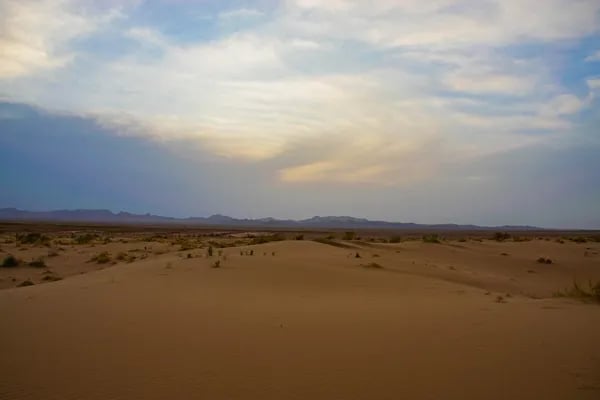
The Lut Desert stretches an impressive 480 kilometers from north to south and 320 kilometers from west to east, covering a landscape that seems almost alien in its harshness. Its surface is a dramatic mix of salt flats, towering sand dunes, and dark volcanic basalt rocks. The desert’s unique geography is shaped by the surrounding mountain chains, which create a powerful rain shadow effect. As a result, the Lut is classified as a hyper-arid climate zone, receiving less than 30 millimeters of rainfall per year. This lack of moisture, combined with the intense sun, makes survival here a constant challenge.
The true global significance of the Lut Desert came to light thanks to modern technology. In 2005, NASA’s Aqua satellite, equipped with the MODIS (Moderate Resolution Imaging Spectroradiometer), recorded a land surface temperature of 70.7°C (159.3°F) in the Lut Desert. This was the highest temperature ever detected on Earth’s surface. As NASA reported:
“NASA's medium resolution imaging spectrometer recorded the world's hottest land surface in the Lut Desert.”
The hottest area within the Lut is known as Gandom Beryan. This plateau, covered in dark volcanic rocks, is so extreme that some claim no life can survive on its surface. The black basalt absorbs the sun’s rays, turning the ground into a natural oven. For years, NASA’s MODIS data has consistently shown this region as the planet’s thermal hotspot, with some recent studies suggesting even higher temperatures may be possible.
Preparing for an expedition into the Lut Desert requires careful planning and respect for its dangers. The journey begins at Shahdad, the last oasis town on the western edge of the desert, where life is still possible thanks to higher elevation and a rare water supply. From here, the real adventure starts: hundreds of kilometers of barren land, where temperatures rapidly climb and resources are scarce. Safety is paramount, so we travel with GPS tracking, backup support, and strict protocols to manage the risks of heat, dehydration, and navigation in this unforgiving landscape.
As I set out toward the heart of the Lut, I am reminded that this is not just a journey across a desert, but a journey into the very limits of Earth’s climate. The Lut Desert is a place where the sun’s power is absolute, and where every step is a test of endurance and preparation.
Navigating the Extreme: Wit and Survival in Lut’s Scorching Landscape
Our journey into the Lut Desert began in Shahdad, a town that feels like an oasis of calm before the storm. Life here is surprisingly normal, thanks to its higher altitude and the presence of water. The air temperature in Shahdad was a manageable 37°C (98.6°F)—a stark contrast to what awaited us deeper in the desert. This brief respite was essential, giving us a chance to prepare for the extreme heat desert conditions ahead.
Historic Waypoints: Shafi Abad Caravanserai
Before entering the heart of the Lut Desert, we passed the haunting ruins of the Shafi Abad Caravanserai. Once a vital stop for ancient travelers, it now stands as a reminder of the region’s long history of endurance and adaptation. The caravanserai, built centuries ago, offered shelter and water to those braving the desert. Today, it marks the last outpost before the true test of survival begins.
Traditional Cooling: Scarves and Water
As we left the oasis behind, the temperature began to climb rapidly. In the absence of modern air conditioning, we turned to a simple yet effective traditional method: soaking our scarves—known locally as shima—in water.
We put our scarf in water as natural air conditioning to reduce temperature on our heads.
This technique provided much-needed relief, cooling our heads and helping us endure the dry, oppressive heat that defines Lut Desert travel.
Vehicle Preparation: Tire Pressure and Terrain
Traveling through the Lut’s rugged landscape demands careful preparation. One crucial step was lowering the tire pressure on our vehicles. This adaptation helps prevent blowouts and provides better traction on the soft, shifting sands and rocky outcrops. The desert’s unpredictable terrain can quickly damage a vehicle, so these technical precautions are vital for safe passage.
First Encounter with Extreme Ground Temperature
Not long after leaving Shahdad, we stopped to measure the ground temperature. The reading was astonishing: 63.7°C (146.6°F). This was a powerful reminder that in the Lut, the ground temperature can far exceed the air temperature. While the air felt hot, the earth beneath our feet was like a stove, radiating heat that made every step a challenge. This difference is critical to understand in any extreme heat desert—surface temperatures can be deadly, even when the air feels survivable.
Modern Safety: GPS Tracking and Backup Support
Despite our traditional adaptations, modern technology played a key role in our safety. Our route was continuously tracked by a backup team using GPS. If anything went wrong, they could reach us quickly. In such a vast, unforgiving environment, this support is not just helpful—it’s essential. The Lut Desert is one of the driest places on earth, and even a small mistake can become life-threatening without immediate assistance.
Oasis life in Shahdad offers a brief, cool contrast to the desert’s intensity.
Traditional cooling methods like wet scarves are indispensable in hyper-arid climates.
Vehicle adaptations such as lowering tire pressure are crucial for desert travel.
Ground temperature readings reveal the true severity of the environment.
Backup teams and GPS tracking ensure a rapid response to emergencies.
In the Lut Desert, survival is a blend of wit, tradition, and technology. Each step forward is a calculated risk, and every adaptation—old or new—can mean the difference between success and disaster.
Inside the Furnace: Confronting Lut’s Record-Breaking Heat
As we pushed deeper into the heart of the Lut Desert, the landscape changed dramatically. Approaching the central region, near the infamous Gandom Beryan—the world’s hottest land surface—every step felt like entering a furnace. The air was thick, dry, and heavy, and the ground shimmered with heat. This low-altitude area is notorious for its extreme heat desert conditions, and we were about to experience them firsthand.
Measuring the Unimaginable: Surface vs Air Temperature
Our first task was to measure the temperature. We used several thermometers, but the desert’s intensity quickly exposed their limits. The laser thermometer gave error messages as soon as the surface temperature exceeded 66°C. Our immersion thermometer, more reliable in these conditions, showed readings as high as 69.6°C (157.3°F). At one point, the ground temperature hit 68.2°C (154.8°F)—hotter than boiling water. Even standing in the shade near the kuluts, the air temperature soared above 50°C (122°F).
The difference between land surface temperature and air temperature became clear. While the air temperature is measured about 1.5 meters above the ground, the surface temperature reflects the heat absorbed by the sand and rocks. In the Lut Desert, the land surface temperature often surpasses the air temperature by a wide margin, making the ground itself a dangerous adversary.
Human Endurance and Technology Under Siege
At these temperatures, human endurance is pushed to its limits. Every breath felt like inhaling from a hairdryer. As I described in my notes:
The wind blows like a hairdryer, hot air squeezing our throats.
We battled constant thirst, even with a 2-liter water bag refilled again and again. Sweat evaporated instantly, and no amount of water or makeshift humidifiers could keep up with the rapid dehydration. After just a few minutes outside, exposed skin burned, and headaches set in. The heat was relentless, and even our guide warned, “No part of your body should be exposed anymore.”
Heat’s Impact on Vehicles and Devices
The extreme heat desert conditions didn’t just affect us; our equipment suffered too. Car tires softened and burst on the scorching rocks. Cameras and phones overheated, shutting down or refusing to work. We stored electronics in coolers alongside our water, but even that was a temporary fix. Metal objects became untouchable—gloves were essential just to hold a camera or steering wheel.
Surface temperature: 68.2°C (154.8°F)
Air temperature: Exceeded 50°C (122°F), often unmeasurable
Thermometer failures: Laser devices gave errors above 66°C
Vehicle issues: Tire blowouts, engine overheating
Technology: Cameras and phones frequently shut down
Walking on the ground felt like stepping on a stove. The heat radiated up, burning through even thick-soled shoes. The sun’s rays reflected off the sand, making it almost impossible to see without sunglasses. Every degree above 50°C made survival harder, and the difference between 50°C and 51°C felt enormous. In this extreme heat desert, both nature and technology reached their breaking points.
Geological Marvels and Wind-Sculpted Formations: Features of the Lut Desert
As I ventured deeper into the Lut Desert, I was struck by the dramatic and otherworldly landscape shaped by both ancient volcanic activity and relentless wind erosion. The Lut is a true showcase of nature’s power, with its volcanic rocks desert terrain, wind-sculpted formations, and vast salt flats that together create one of the most extreme environments on Earth.
Kuluts: Towering Wind-Carved Structures
One of the most remarkable features of the Lut Desert is the presence of kuluts. These are massive, wind-carved ridges and walls that rise up to 150 meters high, stretching in parallel rows for tens of kilometers. The wind sculpted nature of these formations is immediately obvious—their sharp edges and steep faces are the result of centuries of powerful, persistent winds eroding softer material and leaving behind these dramatic shapes. Walking among the kuluts, I felt dwarfed by their scale and could see how the desert’s hyper-arid climate and fierce winds have worked together to create this unique landscape.
Yardangs: Ridges Formed by Relentless Winds
Alongside the kuluts, the Lut Desert is also home to yardangs. These are elongated ridges, sometimes reaching heights of up to 75 meters, formed as wind-driven sand relentlessly scours the surface. The yardangs run parallel to the prevailing winds, creating a series of natural corridors and channels. The effect is both beautiful and intimidating, as if the land itself has been combed by invisible hands.
Salt Flats and Dried-Up Lakes: Signs of Extreme Aridity
The Lut’s salt flats heat is another defining feature. Scattered across the desert are the remnants of ancient lakes, now dried up and transformed into blindingly white salt flats. These flats are a stark reminder of the region’s hyper-arid climate, receiving less than 30 mm of rain per year. The high salinity is lethal to most wildlife—sometimes, migratory birds mistake these flats for water and pay the ultimate price. The sight of these dried lakes under the blazing sun is haunting and unforgettable.
Volcanic Basalt Rocks: Trapping the Sun’s Fury
Perhaps the most intense aspect of the Lut Desert is its volcanic rocks desert landscape, especially around the infamous Gandom Beryan plateau. Here, the ground is covered with dark, porous basalt rocks, remnants of volcanic eruptions that took place around 2 million years ago. The black color of these rocks absorbs and traps solar radiation, pushing surface temperatures to record-breaking levels. As I stood there, I could feel the heat radiating from the ground—my thermometer often gave error messages, unable to cope with the intensity.
A huge area, more like the surface of Mars than Earth, greeted us.
The combination of volcanic activity, wind erosion, and extreme dryness has created a landscape that truly feels alien. The Lut’s geology is not just a scientific curiosity—it is a living, breathing testament to the forces that shape our planet, making it one of the most fascinating and formidable places I have ever explored.

Life Amidst the Inferno: Flora, Fauna, and Survival in Harshness
Standing in the Lut Desert, it’s hard to imagine that anything could survive here. The ground beneath my feet feels like a stove, and the air is so hot it burns my throat. Yet, even in this extreme environment, life finds a way—though it is rare, fragile, and often hidden from the midday sun.
Oasis Life: Human Habitation on the Edge
On the outskirts of the Lut Desert, towns like Shahdad exist as pockets of life. Built around oases, these settlements rely on slightly higher altitudes and precious water sources to support human habitation. Here, life feels almost normal, with people adapting to the heat by using traditional methods like soaking scarves in water for cooling. But as soon as you leave the oasis, the landscape quickly becomes inhospitable, with temperatures rising far beyond what most living things can endure.
Nepke Trees and the Struggle of Desert Vegetation
Vegetation in the Lut Desert is extremely limited. The most notable survivor is the Nepke tree, one of the few plant species that can withstand the harsh sandstorm conditions. These tough trees trap sand around their roots, slowly building up small hills as they grow. The Nepke’s resilience is a testament to the slow, persistent struggle for survival in the desert. Even so, in the hottest regions like Gandom Beryan, not even these hardy plants can survive.
Desert Fauna: Nighttime Activity and Elusive Species
During the day, the Lut Desert appears lifeless. But as the sun sets and temperatures drop, a hidden world emerges. Using a light trap at night, I was able to observe some of the desert’s elusive inhabitants:
Desert foxes
Snakes and lizards
Alla-rella spiders
Moths and red-veined darters
These species are uniquely adapted to survive the desert’s severe environmental constraints. They rest in burrows or under rocks during the day, only venturing out when the air cools. Still, in the heart of the Lut, especially in Gandom Beryan, “It is stated in many sources that no creature lives in Gandom Beryan.” The heat here is simply too intense for even the hardiest animals.
Migratory Birds and the Harsh Reality of Survival
Not all creatures are adapted to the Lut’s extremes. Migratory birds sometimes cross the desert, only to fall victim to its hidden dangers. Attracted by the glimmer of dried salty lakes, they drink the water without realizing its salinity. As I witnessed,
Migratory birds pay for the mistake of drinking salty water with their lives.
Their fate is a stark reminder that, in the Lut Desert, nature shows no mercy.
Legends, Scavengers, and the Desert’s Food Web
The ecological balance of the Lut is surprisingly complex. The remains of birds and other animals become food for scavengers like foxes and insects, maintaining a delicate food web. Local legends, such as the story of caravans forced to abandon their wheat—later found roasted by the heat in Gandom Beryan—highlight just how unforgiving this environment can be. Even camels, icons of desert survival, have been known to collapse from exhaustion here.
Despite the Lut Desert’s reputation as a lifeless inferno, these glimpses of survival reveal the resilience and complexity of desert life, from the tough Nepke trees to the nocturnal desert fauna and the tragic fate of migratory birds.
Venturing into Gandom Beryan: The Roasted Wheat Plateau
Standing at the edge of Gandom Beryan, I felt as if I had reached the very heart of the planet’s furnace. This plateau, known as the Roasted Wheat Plateau, is infamous for its extreme heat and unique landscape. Gandom Beryan’s low elevation, combined with the surrounding mountains, creates a natural heat trap. Hot air is unable to escape, and the sun’s energy is absorbed by the plateau’s dark volcanic rocks, pushing ground temperatures to near-unimaginable levels.
According to NASA MODIS satellite data, the highest recorded temperature on Earth was measured here—an astonishing 70.7°C (159.3°F) in 2005. More recent research suggests that surface temperatures could even reach 80.8°C (177.4°F), making Gandom Beryan the hottest land surface on the planet. Walking across these black volcanic stones, I could feel the heat radiating through my shoes, burning my feet even with thick soles. The ground is so hot that even metal objects become untouchable, and electronic devices quickly overheat and fail.
The name Gandom Beryan means “roasted wheat” in Persian, a nod to a local legend. It is said that centuries ago, a caravan loaded with wheat was forced to abandon its cargo here. When the travelers returned days later, they found their wheat had been roasted by the intense heat. This story is a stark reminder of the plateau’s power and the dangers it poses. As one guide told me,
Towards the end of some journeys, even the camels would crawl on their knees with trembling legs.
Visiting Gandom Beryan during the peak summer months is extremely dangerous. The Iranian government often bans travel to this area in June, July, and August due to the risk of heatstroke, dehydration, and equipment failure. Even in cooler months, strict safety protocols are essential. Our team carried radios for constant communication, wore full-body coverings to protect against the sun, and brought as much water as we could carry. As my guide warned,
You need to be careful. Take water and cover yourself completely because the weather is so dry.
Low elevation and surrounding mountains trap heat, creating a microclimate of extreme temperatures.
Surface covered in black volcanic rocks that absorb and radiate solar energy, pushing ground temperatures near 70°C—and possibly higher.
Historical accounts tell of caravans abandoning roasted wheat, highlighting the plateau’s lethal heat.
Extreme danger during summer; government bans and travel restrictions are common.
Personal risk: skin burns, warped car tires, and failing equipment are constant threats.
Strict safety protocols—radios, water, full coverage—are non-negotiable for survival.
Gandom Beryan’s environment is so harsh that no plant or animal life is believed to survive here. The black volcanic stones, formed by ancient lava flows, create a landscape that feels more like Mars than Earth. Even the most experienced desert travelers approach this place with caution and respect, knowing that the extreme heat desert of Gandom Beryan is truly the final frontier of endurance and survival.
Reflection and Lessons from the Hottest Place on Earth
Standing in the heart of Iran’s Lut Desert, I confronted the true meaning of extreme heat desert. The numbers recorded by NASA MODIS—surface temperatures soaring above 70°C—became more than statistics; they became a lived reality. The physical and psychological challenges of this journey were unlike anything I have ever experienced. The air felt heavy and dry, every breath a struggle. The ground burned through my shoes, and the relentless sun seemed to squeeze the energy from my body. As I said during the expedition,
The place is like hell. Now let's take a walk and measure the temperature.
Human Endurance and the Desert’s Raw Power
In the Lut Desert, human endurance is stretched to its absolute limit. Even with constant hydration, my thirst was never fully quenched. The heat was so intense that after just a few minutes, our thermometers and phones would shut down, unable to function in such conditions. The psychological pressure was just as real—knowing that
Leaving a person alone here means his or her death.
made every step feel like a calculated risk. The desert’s raw power commands respect. Here, nature is not forgiving. Migratory birds that mistake salty lakes for water pay with their lives, and even seasoned guides warn against venturing too far.
Technology’s Breaking Point in Thermal Extremes
One of the most eye-opening lessons was the vulnerability of our scientific tools. Devices designed for rugged use—infrared thermometers, cameras, even satellite phones—struggled or failed in the extreme heat desert environment. Batteries drained rapidly, screens displayed error messages, and metal surfaces became too hot to touch. This highlighted the limits of technology when pushed to the edge, and the importance of backup plans and analog methods in such hostile places.
Comparisons to Other Deserts
I’ve visited other famous deserts, like Death Valley in the United States and the Atacama in Chile. Both are known for their harshness and beauty, but the Lut Desert is in a league of its own. While Death Valley holds the record for the highest air temperature, the Lut’s ground temperatures, measured by NASA MODIS, are unmatched. The Atacama is dry and alien, but the Lut’s combination of heat, dryness, and volcanic landscape feels otherworldly—almost Martian.
Climate Change and the Future of Extreme Heat Zones
Reflecting on this journey, I cannot ignore the role of climate change desert dynamics. Recent research suggests that the Lut Desert’s record temperatures may be rising even higher, possibly exceeding 80°C. As global temperatures climb, extreme environments like Lut could become even more inhospitable, and new heat records may be set. This adds urgency to studying these places—not only to understand their unique ecosystems, but also to prepare for a future where such extremes may become more common elsewhere.
Respecting and Preserving Fragile Desert Ecosystems
Despite its harshness, the Lut Desert supports unique forms of life—desert foxes, lizards, and resilient plants like the Nepke tree. But these ecosystems are fragile. Our presence, even as careful explorers, can leave a mark. The lesson is clear: we must approach such places with humility and responsibility, appreciating their beauty and respecting their limits. For those drawn to the world’s most extreme environments, let curiosity be tempered by caution and a deep respect for nature’s power.
Wild Cards: Desert Mirage Metaphors & The Ultimate ‘Heat Odyssey’
As I stood in the heart of the Lut Desert, it was impossible not to imagine this place as a vast, natural oven. The volcanic stones scattered across Gandom Beryan seemed to trap the sun’s fury, turning the ground into a pan on a stove. The air shimmered with heat, and every step felt like walking deeper into an otherworldly furnace. The extreme heat desert experience here is not just about numbers on a thermometer—it’s about how those numbers warp reality itself.
There’s a saying I kept repeating to myself:
The effect of a temperature increase from 50 to 51° Celsius is very different from 30 to 31° Celsius.
At these extremes, each degree is a leap into a new realm of discomfort and danger. The difference is not linear; it’s exponential. At 51°C, the air presses down on you, your skin burns through clothing, and even the act of breathing feels like inhaling from a hairdryer. It’s a reminder that our bodies are not built for this, and that survival in the desert is a constant battle against the elements.
In this heat odyssey, mirages become more than just optical illusions—they are psychological traps. I could see shimmering pools on the horizon, tempting and cruel. For centuries, these desert mirages have disoriented travelers, especially in places like Gandom Beryan. The legends of roasted wheat and lost caravans are not just stories; they are warnings. Here, the mind plays tricks, and the landscape conspires with the sun to challenge your sense of direction and reality.
During a sandstorm, the desert’s voice becomes unmistakable:
After landscape darkens under the red clouds, a sound like the roar of the sea reaches everywhere.
The wind howls, carrying sand that stings the skin and blinds the eyes. In these moments, the Lut Desert feels alive—an ancient force indifferent to human endurance. It’s a place where survival is never guaranteed, and where nature’s power is absolute.
Sometimes I wondered: what if humans could adapt to withstand 80°C heat? Would we develop new skin, thicker blood, or perhaps a way to cool ourselves from within? It’s a playful thought, but it highlights how fragile we are in the face of such extremes. Even our best technology struggles here. Cameras overheat, phones shut down, and even metal objects become untouchable. The survival desert challenge extends to our tools, exposing the limits of modern exploration. What kind of device could truly thrive in the Lut’s relentless heat? Perhaps only the rocks themselves are built for this world.
As the sun set and the temperature finally dipped, I realized that the Lut Desert is more than the sum of its statistics. It’s a place where perception, endurance, and imagination are tested. The Lut Desert is a crucible for both body and mind—a wild card in the story of our planet, and the ultimate test for anyone daring enough to explore its fiery heart.
