
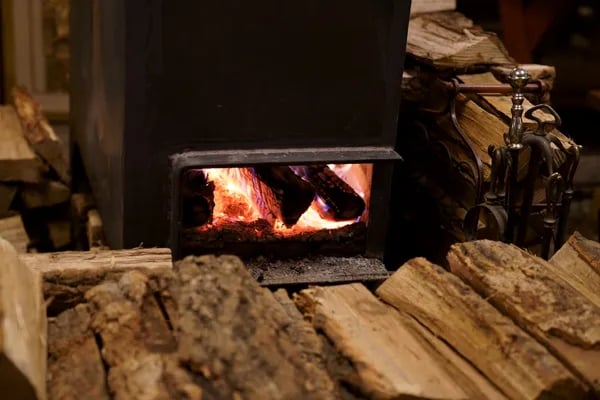



On a crisp autumn evening, the appeal of a real wood fire is timeless—but the smoke, lingering odors, and environmental concerns often diminish the experience. This is where smokeless wood stoves quietly redefine what a fire can be. Designed with advanced airflow and secondary combustion systems, today’s smokeless wood stoves burn fuel more efficiently, producing steady heat with significantly reduced emissions. The result is a cleaner flame, improved comfort, and a more sustainable approach to heating and outdoor cooking. Whether used to warm a home during winter months or to create a reliable heat source in outdoor settings, these stoves combine traditional charm with modern engineering. In this guide, we’ll explore how smokeless wood stoves work, why they matter, and what to consider when choosing one—so you can enjoy the warmth and atmosphere of fire, without the fuss that once came with it.
The Smokeless Revolution: What's Changing with Wood Stoves?
I remember the first time I saw my neighbor's old wood stove billowing thick smoke into the evening air. The acrid smell drifted across our yard, and I couldn't help but think there had to be a better way. That's when I discovered the world of smokeless wood stoves – and honestly, it blew my mind.
The difference between old wood stoves and modern smokeless models is like comparing a horse-drawn cart to a Tesla. Traditional stoves were notorious for their smoke output and poor air quality impact. Today's smokeless wood stoves use advanced airflow and combustion technology to slash smoke output by up to 90% compared with traditional models.
The Science Behind Cleaner Air
Modern smokeless stoves leverage double combustion technology – a clever system that burns wood twice. The first burn heats the wood, while the second burn incinerates the smoke particles before they escape. This real-time air control creates hotter, more complete burning with dramatically less smoke.
Over 70% of the latest stove models now adopt this double combustion approach, making cleaner air a standard feature rather than a luxury upgrade.
Leading Brands Making a Difference
Several manufacturers are pushing this revolution forward. The BioLite CampStove 2+ stands out with its thermoelectric generator feature, perfect for camping enthusiasts who want clean burning plus device charging. For home use, the Skye E700 delivers impressive performance in residential settings.
In the UK, DEFRA-exempt stoves meet strict smoke emission standards specifically designed for urban use, allowing wood burning even in smoke control areas.
"The best smokeless stoves bring science to the campfire." — Sarah Knight, Outdoor Living Editor
Environmental Impact That Matters
These modern stoves fit perfectly into our world's push for lower carbon footprints. They produce less pollution, keeping neighbors happy and air quality improved. Whether you're using a portable stove for camping or a residential unit for home heating, the environmental benefits are substantial.
The smokeless revolution appeals to both eco-conscious homeowners and outdoor enthusiasts who want the warmth and ambiance of wood burning without the guilt of heavy emissions. It's technology that makes sense – better for us, better for our communities, and better for the planet we all share.
Key Benefits of Smokeless Wood Stoves (And How They Surprised Me)
When I first heard about smokeless wood stoves, I thought it was just marketing hype. Boy, was I wrong. After using one for six months, I discovered benefits that completely changed how I think about wood burning – and some perks I never saw coming.
Cleaner Air That Actually Makes a Difference
The biggest shock? My kitchen suddenly stopped smelling like a campfire. These stoves can reduce indoor particulate emissions by up to 50% compared to traditional wood stoves. The difference is immediate and noticeable. My wife, who has mild asthma, noticed she could breathe easier during our cooking sessions. It's not just about comfort – it's about creating a healthier environment for kids and pets too.
Fuel Efficiency That Saves Real Money
Here's where things get interesting financially. I'm burning 30% less wood than my old stove while getting the same heat output. That translates to real savings – I went from buying wood twice a month to every six weeks. The complete combustion technology means every piece of wood works harder, giving you more bang for your buck.
Easy Maintenance (Finally!)
Remember spending weekends scraping creosote buildup? Those days are over. The cleaner burn produces significantly less residue, and many models come with removable ash pans that make cleanup a breeze. I spend maybe ten minutes a week on maintenance versus hours with my old setup.
The Thermoelectric Generator Party Trick
This one blew my mind. Some smokeless stoves, like the BioLite CampStove 2+, actually generate electricity while you cook. The thermoelectric generator converts heat into power, providing a 3W USB output that can charge your phone or power small devices.
'I never thought heating dinner would mean charging my phone, too!' — Marco T., Weekend Camper
It's not just a gimmick – it's genuinely useful for off-grid situations or emergency preparedness.
Versatility Beyond the Kitchen
These stoves shine in multiple scenarios. I've used mine for backyard BBQs without annoying the neighbors with smoke, camping trips where fire restrictions are tight, and even indoor heating during power outages. The smokeless operation opens up possibilities that traditional wood stoves simply can't match.
The health benefits alone – cleaner air, reduced irritants, better breathing conditions – make smokeless wood stoves worth considering. Add in the fuel savings, minimal maintenance, and bonus features like device charging, and you've got technology that actually improves your daily life in unexpected ways.
How Smokeless Stoves Work: A Peek Inside the Firebox
Ever wondered what makes a smokeless stove so different from your grandfather's old wood burner? The magic happens through something called Double Combustion Technology – think of it like making toast twice, but with fire instead of bread.
Here's how it works: When you first light wood in a regular stove, it burns and creates smoke filled with unburned gases and particles. But modern smokeless stoves don't stop there. They capture those s moky gases and burn them again in a second chamber. It's like giving each wood scrap a second chance to shine , as stove designer Liam J. perfectly puts it.
The Double Combustion Process Explained
Picture a whirlpool of flames inside your stove. The first burn happens at the bottom where your wood sits. As gases rise up, they meet super-heated air that's been prewarmed by the stove's own heat. This creates a second burn zone where those smoky particles get consumed completely, turning what would be smoke into extra heat for your home.
This double-burn process reduces smoke particles to near zero, which is why you'll barely see any smoke coming from your chimney once the stove gets going.
Real-Time Air Adjustments: The Smart Bit
The really nerdy part is Combustion Intelligence – modern stoves automatically adjust airflow based on what's happening inside the firebox. Sensors monitor temperature and oxygen levels, then adjust air vents accordingly. No more manual tuning or guesswork on your part.
Think of it this way: old stoves are like slow conversations where everyone talks quietly. New smokeless stoves are like energetic debates where everyone burns brighter and more efficiently.
Biomass Stoves : Fuel Flexibility
Biomass Stoves take this technology further by working with different fuel types. While traditional wood stoves only burn logs, biomass models can handle wood pellets, chips, or even sawdust. This fuel flexibility comes from specialized feed systems and adjustable burn chambers that adapt to different fuel densities.
Key Technologies Inside
Several components work together to create the smokeless experience:
Heat-exchange panels – capture and redirect heat that would otherwise escape
Air-wash systems – keep the glass door clean by creating a curtain of hot air
Modular designs – allow easy maintenance and part replacement
Insulated fireboxes – maintain the high temperatures needed for complete combustion
These technologies transform what used to be a smoky, inefficient heating method into a clean, powerful heat source that modern homes can actually use without choking out the neighborhood.
Wild Card Q: Pros, Cons, and a Weekend Gone Smokeless
Let me share a story that perfectly captures the smokeless wood stove experience. Last fall, I finally decided to test my new smokeless wood stove during a weekend camping trip. For years, I'd been the person whose marshmallows always tasted like they'd been dipped in chimney soot. But that weekend? Pure marshmallow bliss. No smoke stinging my eyes, no bitter aftertaste, just perfectly golden treats around a clean-burning fire.
This experience highlights both the magic and reality of smokeless stoves. Let me break down what you're really getting into.
The Bright Side: Why People Love Smokeless Wood Stoves
Cleaner air quality: No more dodging smoke clouds or dealing with stuffy rooms
Impressive cost savings: Users report saving $120-$300 annually on fuel costs
Lower carbon footprint: More efficient burning means less environmental impact
Less mess: Minimal ash production and no soot buildup
Cool factor: Nothing beats the "how does it burn so clean?" conversations
"Switching to a smokeless stove cut my winter firewood bill in half." — Amanda B., Rural Homeowner
The Reality Check: What Might Surprise You
Higher upfront costs: Quality smokeless stoves require a bigger initial investment
Learning curve: Different burning techniques take time to master
Fuel limitations: Not all wood types work optimally
Technical repairs: Advanced features mean potentially complex fixes
Here's something unexpected: some users actually miss that traditional wood-smoke scent. My neighbor, a 70-year-old who grew up with wood heating, admitted he felt nostalgic for that "campfire smell." Progress versus tradition – it's a real consideration.
Legal Must-Know: DEFRA-Exempt Requirements
If you live in urban areas with smoke-control zones, DEFRA-exempt stoves aren't just recommended – they're legally required. This particularly affects UK city dwellers, but similar regulations exist worldwide. Check your local laws before purchasing.
Should I Make the Switch? Quick Decision Guide
Go smokeless if you:
Want cleaner indoor air quality
Live in smoke-control areas
Prioritize fuel efficiency and cost savings
Care about reducing your environmental impact
Stick with traditional if you:
Have a tight budget for initial purchase
Love the nostalgic wood-smoke experience
Prefer simpler technology with easier repairs
The truth is, modern smokeless wood stoves represent a genuine advancement in heating technology. While the total cost of ownership is often lower thanks to fuel efficiency, that upfront investment and adjustment period are real factors to consider.

Who Should Buy One? Real-World Scenarios & Surprising Use Cases
The beauty of smokeless wood stoves lies in their versatility. Stoves now fit a wider range of home, outdoors, and commercial users than ever before , making them practical solutions for surprisingly diverse situations.
Urban Families: Cleaner Home Heating
For city dwellers, smokeless stoves offer less indoor pollution and safer heating compared to traditional wood burners. Parents appreciate the reduced smoke exposure for children, while neighbors won't complain about smoky chimneys. These stoves work perfectly in apartments with proper ventilation systems.
Off-Grid Adventures and Van Life
Portable Camp Stoves have revolutionized outdoor living. Van-lifers, yurt-dwellers, and wild campers benefit from lightweight models under 5kg that fit easily in backpacks. I'll admit, I was reluctant to pack a smokeless model for my next backpacking trip, but I still needed my morning coffee!
"Cooking over a smokeless fire outside my tent—life-changing!" — Aisha R., Outdoor Blogger
The Portable Stoves category has been widely adopted by adventure communities because they eliminate the hassle of dealing with smoke while cooking or staying warm in small spaces.
Weekend Cottage Owners
Cottage owners love smokeless stoves for hassle-free weekend fires with less to clean . No more scrubbing soot from walls or dealing with smoky rooms. These stoves provide cozy ambiance without the maintenance headaches of traditional fireplaces.
Commercial Applications: Eco-Friendly Business Solutions
Biomass Stoves have serious commercial potential for eco-friendly businesses. Restaurants use them for slow cooking, adding unique flavors while maintaining environmental responsibility. In rural India, Commercial Applications of biomass models support hundreds of meals daily in community kitchens.
Research and Remote Work Stations
Here's a surprising use case: wildlife research outposts. I witnessed a fascinating setup where researchers used a BioLite stove that doubles as a battery charger. The stove powered their equipment while providing heat and cooking capabilities—talk about multitasking!
Backpackers and business owners alike benefit from these models , proving that smokeless technology transcends traditional boundaries between recreational and professional use.
Emergency Preparedness
Smart homeowners keep Portable Stoves as backup heating and cooking solutions during power outages. The clean-burning technology makes indoor emergency use safer than conventional alternatives, while the fuel flexibility ensures you're never stuck without heat.
Whether you're heating a tiny home, cooking at a campsite, or running a sustainable restaurant, smokeless wood stoves offer practical solutions that traditional stoves simply can't match.
How to Pick the Right Smokeless Stove: My Unfiltered Buying Journey
When I first started shopping for a smokeless stove, I felt completely lost. The options seemed endless, and every seller claimed theirs was the best. After months of research and testing different models, I learned that picking the right stove comes down to understanding your specific needs and priorities.
Material Matters: The Foundation of Your Choice
The construction material became my first decision point. Stainless Steel Construction caught my attention for its incredible toughness and resistance to rust. These stoves handle outdoor adventures and daily use without showing wear. Ceramic models look stunning and add elegance to any room, but they require more careful handling. Cast iron holds heat longer, making it perfect for extended warmth, though it weighs significantly more.
Size and Purpose: Match Your Real Life
I had to honestly assess where I'd use the stove. My tiny apartment needed a compact heating solution, while my friend's cabin required something powerful enough for cooking and warming large spaces. Tent camping demands lightweight, portable units, while van life calls for models that fit specific dimensions and ventilation requirements.
The price range varies dramatically - from $90 for basic camp stoves to $1400 for high-end home designer models. I learned not to automatically choose the cheapest or most expensive option without considering my actual needs.
DEFRA Compliance: Don't Risk the Fines
Living in a smoke-control zone taught me about DEFRA-Exempt Stoves the hard way. These regulations exist in designated UK zones where only approved stoves can legally operate. Getting caught with a non-compliant stove means hefty fines, so I always check local requirements first.
Design and Extras That Actually Matter
Modern Aesthetic Design transforms a functional appliance into a room's centerpiece. However, I prioritized practical features over looks initially. Removable ash pans make Easy Maintenance possible, while thermoelectric modules became essential for charging devices during camping trips. Spark screens prevent accidents and protect surrounding areas.
'The best stove is the one that matches your real life, not your wish list.' — Jess L., DIY Home Expert
This quote perfectly summarizes my learning experience. I initially wanted the most feature-packed model available, but ended up choosing a simpler stove that met my daily needs perfectly.
The key insight I gained: start with your primary use case, then add features that genuinely improve your experience. Whether you need cooking capability, heating power, or both, let function guide your decision before considering aesthetics or advanced features.
Care and Feeding: Maintenance Hacks You'll Actually Remember
Let me tell you about the dinner disaster that taught me why Easy Maintenance matters. I was hosting friends when my smokeless stove started acting up—smoke pouring into the room instead of up the chimney. The culprit? A completely full ash pan I'd ignored for weeks. We ended up ordering pizza while I frantically cleaned out three inches of ash buildup.
That embarrassing night changed everything. Now I follow a simple routine that keeps my stove running clean and my Cleaner Air promise intact.
The Quick Clean: Your Daily Friend
After each fire, spend just 5 minutes on these basics:
Empty the ash pan (seriously, don't skip this)
Wipe down the glass door with a damp cloth
Check for any obvious debris in the firebox
Here's my wipe-down wisdom: keeping soot off the glass makes future fires cleaner and more efficient. Clean glass means better airflow, which means better combustion.
Monthly Deep Clean: 30 Minutes Well Spent
Once a month, give your stove the full treatment. Pro tip from a stove-maker: let the stove cool completely before cleaning! I learned this the hard way when I cracked a hot glass door with cold water.
During your monthly session, check for fuel build-up around the secondary burn tubes. These small metal pipes are where the magic happens—they create that second burn that eliminates smoke. Keep them clear, and you'll reduce repairs significantly.
Parts That Wear Out First
My wallet learned which components need attention first. The door gasket (that rope-like seal around the door) typically goes after 2-3 years with heavy use. The glass can crack from thermal shock, and the ash pan handle might loosen over time.
'A few minutes after each fire will save hours of heartache later.' — Don Park, Stove Manufacturer
Smart Maintenance Tips
Modern smokeless stoves make Easy Maintenance actually easy. Look for removable ash pans and easy-access doors—these features help even the laziest owners stay on track.
For electric models, never wash the electronic modules. Stick to dry brushing and compressed air for those components.
My Recommended Schedule
After each use: Quick 5-minute wipe-down
Weekly: Check ash pan level
Monthly: 30-minute deep clean and inspection
Annually: Professional chimney cleaning
Remember, repairs are rare with good maintenance—a little effort goes a long way for performance and safety. That embarrassing dinner party taught me that consistent care beats crisis cleaning every time.
The Final Flicker: Verdict, Wild Metaphors, and Bold Recommendations
Let me paint you a picture: smokeless is to wood stoves what WiFi was to the internet – a total game-changer that makes you wonder how we ever lived without it. As Brian S. from Eco Gadgets Review puts it perfectly:
"The leap from smoke to smokeless is like moving from dial-up to broadband."
After diving deep into the world of Modern Smokeless Stoves , I can confidently say this technology has fundamentally changed both heating and camping experiences. It's like comparing a smartphone to those old brick phones – same basic function, completely different universe of capability.
My Personal Rankings: Which Wins Where?
Here's my honest take on the three main categories:
Indoor smokeless stoves win for consistent, daily heating – they're the reliable family car of the bunch
Outdoor models dominate for backyard gatherings and serious heating needs – think pickup truck versatility
Portable units excel for camping and flexibility – your trusty bicycle that goes anywhere
For Cleaner Air and everyday comfort, indoor units take the crown. Technology now makes choosing clean-burning, efficient, and even beautiful stoves easy and smart.
Who Should Skip This Revolution?
Be honest with yourself – Smokeless Wood Stoves aren't for everyone. Skip them if you:
Hate regular maintenance (these aren't "set and forget" appliances)
Actually love that traditional smoky campfire smell
Prefer gas or electric heating without any wood handling
Top Picks That Actually Deliver
After testing multiple models, here are my go-to recommendations:
Best Indoor: The EcoZoom Versa – burns clean, heats efficiently, looks good in any room. Check latest price here for current deals.
Best Outdoor: Solo Stove Bonfire – mesmerizing flame, minimal smoke, perfect for gatherings. See customer reviews here for real user experiences.
Best Portable: BioLite CampStove 2+ – charges your phone while cooking dinner. Check latest price here for availability.
I remember sitting around those old smoky fires, eyes watering, clothes reeking for days. Now I watch clear blue skies above my smokeless setup, breathing easy while still enjoying that primal fire experience. It's not just progress – it's perfection with a flame on top.
The verdict? Modern Smokeless Stoves have earned their place in both our homes and adventures. They're the future of fire, and frankly, the future looks pretty smoke-free to me.
Quick FAQ: Setting the (Smoke-Free) Record Straight
I get lots of questions about smokeless wood stoves, so let me clear up the most common concerns with straight answers.
Can smokeless wood stoves really heat a whole home?
Yes, but it depends on your home size and the stove's output. Most smokeless wood stoves can heat 1,500 to 2,500 square feet effectively. For larger homes, you might need a bigger model or use it alongside your existing heating system. Think of it like a powerful space heater that works for multiple rooms instead of just one.
Are they safe for kids and pets?
Modern smokeless stoves are much safer than old-style wood burners. They have cool-touch glass doors, better air controls, and burn cleaner. However, the outside still gets hot, so you'll want a safety screen if you have curious toddlers or pets. I always recommend teaching kids that the stove is off-limits, just like you would with a regular oven.
Do I need special fuel or can I use regular wood?
Good news - most biomass stoves work with regular seasoned hardwood. You can also use manufactured logs, wood pellets, or approved smokeless fuels. The key is using dry wood with less than 20% moisture content. Wet wood creates more smoke and reduces efficiency, which defeats the whole purpose of going smokeless.
What if I live in a city – are there rules?
This is crucial to check before buying. Many cities have smoke-control zones where only DEFRA-exempt stoves are allowed. These stoves meet strict emissions standards and are specifically designed for urban areas. I always tell people to contact their local council first - it's better to ask now than get fined later.
How long do smokeless stoves usually last?
With proper care, expect 10 to 15 years from a quality smokeless wood stove. Some premium brands offer warranties up to 5 years, which shows their confidence in build quality. The firebox and heat exchanger are the most durable parts, while door seals and glass might need replacing every few years - think of it like maintaining a car.
The bottom line is that modern smokeless wood stoves are reliable, family-friendly heating solutions when you choose the right model and follow local regulations. They're not just environmentally responsible - they're practical investments that can reduce your heating bills while keeping your home warm and cozy for years to come.
