
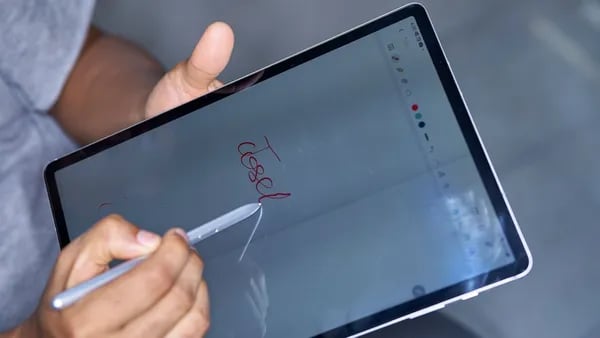



Digital art continues to grow across industries, from illustration and design to education and content creation, making drawing tablets an essential tool for many creators worldwide. With a wide range of models offering different screen sizes, pressure sensitivity levels, and software compatibility, selecting the right tablet can be challenging without a clear understanding of what truly matters. A well matched device can improve comfort, precision, and workflow, while the wrong choice may limit creative potential and slow progress. This guide focuses on the practical factors that influence everyday use, including responsiveness, display quality, portability, and long term reliability. Rather than emphasizing short lived trends, it highlights features that consistently deliver value across skill levels and creative styles. Whether you are just starting with digital sketching or refining professional projects, this overview is designed to help you make a confident, informed decision and choose a drawing tablet that supports both your current goals and future growth.
Understanding Best Drawing Tablets: Features and Benefits
When it comes to unleashing creativity, the best drawing tablets of 2026 are powerful tools that bridge the gap between traditional art and digital innovation. Whether you’re a professional illustrator, a student, or a hobbyist, a quality drawing tablet can transform your workflow and make digital art more intuitive and enjoyable. Let’s explore what makes these devices stand out and why they’re essential for artists of all levels.
Overview of Best Drawing Tablets Key Features & Benefits
Modern drawing tablets are packed with features designed to mimic the natural feel of pen on paper while offering the flexibility of digital media. Here are the standout features:
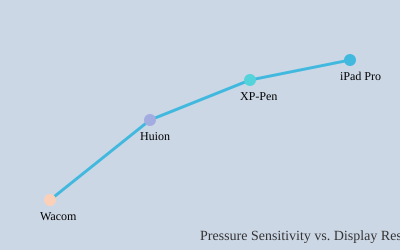
Pressure Sensitivity: Most top models now offer up to 8,192 levels, allowing for precise control over line thickness and opacity. This means your lightest touch or firmest press is captured, just like a real pencil or brush.
Display Resolution: Ranging from Full HD (1920x1080) to stunning 4K (3840x2160), high-resolution screens deliver vivid colors and crisp details, making every stroke pop.
Advanced Pen Technology: Features like tilt recognition and lag-free drawing ensure that the pen responds instantly and naturally to your hand movements.
Ergonomic Design: Thoughtful shapes and lightweight builds help reduce fatigue, even during marathon creative sessions. Adjustable stands and textured surfaces add to the comfort.
Software Compatibility: Seamless integration with popular programs like Adobe Photoshop, Clip Studio Paint, and more means you can jump right into your favorite workflow.
Portability: From compact tablets perfect for travel to large desktop models ideal for studio work, there’s a size for every need.
Pros and Cons
Pros:
Highly responsive pen technology
Wide range of display resolutions
Ergonomic and portable options
Excellent compatibility with major art software
Customizable shortcut buttons for efficiency
Cons:
High-end models can be expensive
Learning curve for beginners
Some models require a connected computer
Best Use Cases and Who Should Buy It
Drawing tablets are versatile. Professionals like illustrators and designers benefit from high-resolution models such as the Wacom Cintiq 16 , which offers superb color accuracy and a natural feel ( Check latest price here ). Students and beginners may prefer affordable, portable options from Huion or XP-Pen, which still deliver excellent performance for sketching, note-taking, and animation.
SVG Chart: Pressure Sensitivity vs. Display Resolution
“Choosing the right tablet isn’t just about specs. It's about how it feels in your hand and responds to your style.” – Lisa Tran, Digital Illustrator
“A tablet with great pen technology truly bridges the gap between traditional and digital art.” – Mark Hernandez, Professional Artist
Pros and Cons of Popular Drawing Tablets
Choosing the best drawing tablet can feel like picking the perfect paintbrush—every artist has unique needs, and the right tool makes all the difference. Whether you’re a beginner exploring digital art or a seasoned professional seeking precision, understanding the drawing tablet pros and cons is essential. Below, I break down the strengths and weaknesses of today’s most popular models, helping you weigh features like pressure sensitivity, display quality, portability, and price.
Key Pros of Drawing Tablets
High Pressure Sensitivity: Most modern tablets offer 2,048 to 8,192 pressure levels, allowing for nuanced strokes and detailed shading—crucial for both beginners and professionals.
Vibrant Displays: Premium models like the Wacom Cintiq Pro feature color-accurate, high-resolution screens, making them ideal for illustrators and graphic designers who rely on true-to-life hues.
Portability: Lightweight options such as the XP-Pen Artist 12 or Gaomon PD156 Pro (weighing around 500g–1kg) are perfect for artists on the go, fitting easily into backpacks or laptop bags.
Advanced Productivity Features: Multi-touch support, customizable shortcut keys, and tilt recognition boost workflow efficiency, especially for professionals juggling complex projects.
Key Cons of Drawing Tablets
Premium Pricing: High-end tablets (like the Cintiq Pro series) can cost $1,000–$3,500+, making them a significant investment for hobbyists or students. Budget tablets ($300–$400) are more accessible but may lack advanced features.
Limited Software Compatibility: Some entry-level models struggle with certain creative software, potentially limiting your creative options.
Screen Size Trade-Offs: Smaller displays (11.6–13.3 inches) enhance portability but can feel cramped for detailed work, while larger screens (up to 27 inches) offer more space but reduce portability.
Steep Learning Curve: Advanced features and complex interfaces may overwhelm beginners, requiring extra time to master.
Maintenance Needs: Frequent driver updates are sometimes necessary to maintain peak performance, especially on Windows or MacOS systems.
“Every artist must balance budget with needs; there's no one-size-fits-all tablet.” – Maria Solis, Art Instructor
“Even the best tablet is useless if it doesn’t fit your workflow seamlessly.” – James Chong, Graphic Designer
SVG Chart: Price, Screen Size, and Pressure Sensitivity Comparison

As you can see, drawing tablets for beginners and drawing tablets for professionals differ widely in price, screen size, and sensitivity. Weighing these drawing tablet pros and cons will help you find the right fit for your workflow and budget.
Who Should Buy a Drawing Tablet? Best Use Cases Explained
Drawing tablets have become essential creative tools, bridging the gap between traditional art and digital innovation. Whether you’re a beginner doodling for fun, a student designing comic strips, or a professional illustrator working on complex projects, the best drawing tablets offer features tailored to your needs. Let’s explore who benefits most from these devices and how different use cases influence the right choice.
Beginners: Affordable and User-Friendly Options
If you’re just starting your digital art journey, you’ll want a tablet that’s easy to set up and gentle on your budget. Entry-level models like the Gaomon PD156 Pro provide a solid foundation—responsive pens, intuitive interfaces, and enough features to help you grow. As Sara Lee, a comic artist, puts it:
A tablet isn’t just a tool—it’s an extension of your creative mind. Choose what inspires you.
For beginners, look for:
Simple, plug-and-play installation
Affordable price point
Good baseline pressure sensitivity
Lightweight and portable design
Best use cases for drawing tablets: Doodling, note-taking, basic illustration, and learning digital art fundamentals.
Professionals: Precision, Power, and Performance
Professional artists, illustrators, and graphic designers require advanced features. Devices like the Wacom Cintiq Pro offer expansive displays, high color accuracy, and multi-touch capabilities—ideal for intricate work. For these users, precision and compatibility with industry-standard software are non-negotiable.
Large, high-resolution screens
Superior color accuracy
Advanced pen tilt and pressure sensitivity
Multi-touch and customizable shortcut keys
Drawing tablets for professionals: Digital painting, animation, graphic design, and detailed illustration work.
Students and Hobbyists: Portability and Versatility
Students and hobbyists often prioritize portability and quick setup. A lightweight, budget-friendly tablet makes it easy to create on the go—perfect for sketching in class or working on personal projects. For example, a student creating digital comic strips may favor a compact tablet that fits in a backpack.
Lightweight and compact
Easy connectivity (USB or wireless)
Budget-friendly
Best use cases: Classroom projects, hobby sketching, travel-friendly art creation.
Specialized and Hybrid Users
3D artists and hybrid users have unique needs. Tablets compatible with 3D modeling software or hybrid devices like the Microsoft Surface Studio 2 offer flexibility for multitasking—drawing, editing, and general computing in one device.
Software compatibility for 3D modeling
Versatile, multi-use devices
Understanding your use case saves money and frustration down the line.
— Daniel Kim, Art Tech Consultant
Ultimately, your profession or passion shapes the features you need. Matching your use case to the right tablet ensures a smoother, more enjoyable creative experience.
Navigating Choices: How to Select the Right Drawing Tablet
Choosing the best drawing tablet can feel overwhelming, especially with so many options available in 2026. Whether you’re a beginner doodler, a professional illustrator, or a digital art hobbyist, finding the right device is essential for a smooth creative process. The right tablet should feel like an extension of your hand—so natural that it becomes “invisible to your creative process,” as digital artist Anika Shah puts it.
Assess Your Budget—Including Accessories
Start by setting a realistic budget. Remember, the price of a drawing tablet isn’t just the device itself. Factor in the cost of essential accessories like stylus pens, replacement nibs, screen protectors, and even art software. Entry-level tablets start around $200, while high-end professional models can exceed $3,500. Decide what features you truly need before making a purchase. Check latest price here .
Display vs. Non-Display Tablets: What’s Right for You?
One of the first decisions is between display tablets (with a built-in screen) and non-display or graphic tablets (which require a separate monitor). Display tablets offer a direct, immersive drawing experience, making them ideal for artists who want to see their work appear right under the pen. Non-display tablets, on the other hand, are often more affordable and portable, but require hand-eye coordination as you draw on the tablet and look at your computer screen.
Display Tablets: Best for direct interaction and detailed work.
Non-Display Tablets: Great for budget-conscious users or those with limited desk space.
Pressure Sensitivity: The Key to Detail
Pressure sensitivity determines how precisely your tablet responds to pen pressure, affecting line thickness and opacity. Most modern tablets offer 2,048, 4,096, or even 8,192 pressure levels. If you do intricate line work or shading, higher sensitivity will give you more control and nuance. For casual sketching, lower levels may suffice.
Display Size, Resolution, and Portability
Consider your workspace and mobility needs. Tablets range from compact 6-inch models to expansive 27-inch canvases. Larger screens provide more room for detailed work but are less portable. Higher resolution ensures crisp, clear images—important for professional illustration and design.
Compatibility with OS and Art Software
Not all tablets work seamlessly with every computer or software. Check compatibility with your operating system (Windows, macOS, or even Android/iOS) and preferred art programs like Photoshop, Illustrator, Clip Studio Paint, or CorelDRAW. This step is often overlooked but is crucial for a smooth workflow.
Test and Read Reviews
Finally, if possible, try out devices in-store or read user reviews online. As technology reviewer Jason Liu advises, “Don’t just buy specs—experience the device before fully committing.” The feel of the pen, screen texture, and shortcut buttons can make a big difference in your daily use.
By carefully considering these factors, you’ll be well on your way to finding a drawing tablet that fits your creative style and workflow. See customer reviews here .

Taking Care of Your Drawing Tablet: Maintenance and Longevity Tips
When you invest in one of the best drawing tablets of 2026, you want it to last for years and perform at its best. Proper drawing tablet maintenance not only protects your investment but also ensures a smooth, enjoyable creative experience every day. Whether you’re a professional artist, a student, or a hobbyist, following a few simple drawing tablet care routines can make a huge difference in your device’s lifespan and performance.
Keep the Screen Clean
Your tablet’s screen is its window to your art. Dust, fingerprints, and smudges can interfere with both visibility and pen accuracy. Use a soft microfiber cloth and a screen-safe cleaning solution (never harsh chemicals) to gently wipe the surface. Clean your screen weekly, or more often if you use your tablet daily. This habit prevents buildup and keeps your display crystal clear.
Protect and Replace Pen Nibs
The pen nib is the tiny tip that touches your tablet’s surface. Over time, it wears down, which can affect drawing precision and feel. Most experts recommend replacing the nib every 6–12 months, depending on your usage. If you notice scratches on your screen or your lines feel inconsistent, it’s time for a new nib. Always keep a few spares handy for uninterrupted creativity.
Update Device Drivers Regularly
Just like your computer or smartphone, your tablet’s software needs regular updates. Manufacturers release new drivers to fix bugs, improve performance, and add features. Set a reminder to check for updates every few months—this simple step can extend your tablet’s life and ensure compatibility with the latest creative apps.
Store Safely and Transport with Care
Accidental drops or bumps are common causes of tablet damage. Always store your tablet and accessories in a protective case when not in use or during travel. This shields your device from scratches, dust, and impacts. If you commute or work in different locations, consider a padded sleeve or hard-shell case for extra protection.
Avoid Extreme Temperatures and Moisture
Tablets are sensitive to heat, cold, and humidity. Avoid leaving your device in direct sunlight, hot cars, or damp environments. Extreme conditions can damage internal components and shorten your tablet’s lifespan. Store your tablet in a cool, dry place whenever possible.
Calibrate Pen Settings Regularly
For the most accurate drawing experience, calibrate your pen settings every few months or after major software updates. Calibration ensures that pressure sensitivity and tilt functions respond exactly as you expect, keeping your lines smooth and natural.
“Maintaining your tablet isn’t glamorous but it’s the secret to long-term creative joy.” – Emily Wong, Tech Support Specialist
“A well-cared-for tablet feels like new years after purchase.” – Carlos Mendes, Professional Animator
By following these drawing tablet longevity tips, you’ll keep your device in top shape and enjoy a reliable, inspiring creative partner for years to come.
Price Points and Performance: Comparing Drawing Tablets Across Budgets
Choosing the best drawing tablet can feel overwhelming, especially with so many options and price points. Whether you’re a beginner, a hobbyist, or a professional artist, understanding how drawing tablet pricing comparison works will help you make a smart investment in your creative journey. Let’s break down what you get at each budget level and how features stack up for real-world use.
Entry-Level Drawing Tablets: Affordable Creativity ($300–$400)
Entry-level tablets, like the Gaomon PD1161 or XP-Pen Artist 12, start around $300. These models offer essential drawing tablet features: responsive pressure sensitivity, compact screens (usually 11.6 to 13 inches), and basic styluses. They’re perfect for students, casual artists, or anyone just starting digital art. While you may not get a 4K display or advanced pen technology, these tablets deliver solid performance for sketching, note-taking, and learning new techniques.
Pros: Budget-friendly, portable, easy to set up, often bundled with starter software.
Cons: Smaller screens, lower resolution (typically Full HD), fewer shortcut buttons, basic pen accuracy.
Mid-Range Drawing Tablets: Balanced Performance ($400–$1,000)
Mid-range options, such as the Wacom Cintiq 16 or Huion Kamvas Pro 16, strike a balance between price and advanced features. Expect larger screens (15.6–16 inches), Full HD or higher resolution, improved pressure sensitivity, and more ergonomic pens. These tablets are ideal for serious hobbyists or freelance artists who need reliable performance without breaking the bank.
Pros: Sharper displays, better color accuracy, enhanced pen tech, more customizable controls.
Cons: Slightly heavier, may require external power, not always standalone devices.
Premium Drawing Tablets: Professional Power ($1,000–$3,500+)
At the high end, tablets like the Wacom Cintiq Pro 24, Apple iPad Pro, or Microsoft Surface Studio 2 offer large 4K displays (up to 27 inches), industry-leading pen technology, and superior build quality. These are the go-to choices for professional illustrators, animators, and designers who demand the best drawing tablet recommendations for their workflow.
Pros: Stunning 4K visuals, ultra-precise stylus input, multi-touch support, premium accessories and software bundles.
Cons: High initial cost, larger footprint, may require a powerful computer (except for standalone models).
“Investing in a good tablet is investing in your craft’s future.” – Olivia Martinez, Digital Art Educator
Price often correlates with display size, resolution, and pressure sensitivity. Some brands include valuable bundles—like styluses, stands, and software licenses—which can enhance your startup value. As Ethan Roberts, Creative Director, advises: “Don’t let price alone dictate your choice—consider features and ease of use.” Always weigh long-term value over initial cost, especially if you plan to use your tablet professionally.
Final Verdict & Recommendations for 2026’s Drawing Tablets
After exploring the landscape of the best drawing tablets of 2026 , it’s clear that there’s no single “perfect” option for every artist. Instead, the right choice depends on your experience level, creative workflow, and personal preferences. Whether you’re a beginner, a seasoned professional, or someone who needs to create on the go, there’s a drawing tablet designed to fit your needs.
Top Drawing Tablet Recommendations by User Type
For Beginners: The Gaomon PD156 Pro and XP-Pen Artist series stand out for their balance of affordability, intuitive setup, and reliable performance. Their user-friendly interfaces and responsive pens make them ideal for those just starting their digital art journey. Check latest price here .
For Professionals: If you demand the highest color accuracy, pen precision, and advanced features, the Wacom Cintiq Pro and Huion Kamvas Pro 27 are top-tier choices. These tablets offer expansive screens, customizable shortcuts, and industry-leading stylus technology. See customer reviews here .
For Portability: Artists who value mobility will appreciate the Apple iPad Pro with Apple Pencil . This combination delivers a seamless drawing experience, powerful hardware, and access to a wide range of creative apps, making it perfect for sketching anywhere inspiration strikes. Check latest price here .
For Budget-Conscious Users: There are several reliable options with solid pressure sensitivity and vibrant displays that won’t break the bank. Look for models with at least 8192 pressure levels and a laminated screen for the best value. See affordable options here .
Key Considerations for Choosing Your Tablet
Software Compatibility: Always ensure your chosen tablet works seamlessly with your preferred art software and operating system.
Personal Workflow: The best drawing tablet is one that feels natural in your hands and integrates smoothly into your creative process.
Mobility & Versatility: If you travel or work in different locations, prioritize lightweight, portable models with long battery life.
Choose a tablet that inspires you daily, because that's what will fuel your best work. – Natalie Brooks, Freelance Illustrator
In the end, the 'best' tablet is a personal journey, not just a spec sheet. – Robert King, Digital Art Reviewer
Ultimately, drawing tablet recommendations for 2026 reflect the diversity of artists’ needs. Whether you’re seeking the best drawing tablets 2026 for professionals or the most accessible drawing tablets for beginners , prioritize what feels right for your art style and workflow. Your creative journey deserves a tool that grows with you.
Frequently Asked Questions About Drawing Tablets
As we wrap up our guide to the best drawing tablets of 2026, let’s address some of the most common questions artists and beginners have. Whether you’re just starting your digital art journey or looking to upgrade your creative setup, these answers will help you make informed decisions and get the most from your device. This Drawing tablets FAQ section is designed to demystify tech jargon and provide practical advice for everyday use.
What pressure sensitivity level is best for beginners?
Pressure sensitivity refers to how many levels of pressure your tablet can detect from the pen. For beginners, a tablet with 2,048 to 4,096 levels of pressure sensitivity is more than enough. This range allows for smooth shading and line variation without overwhelming you with complexity. As you gain experience and want more nuanced control, you might consider tablets with 8,192 levels, but for most new artists, starting simple is best. Understanding pressure sensitivity can make digital drawing feel much more natural, almost like using a real pencil or brush.
Can drawing tablets work with all operating systems?
Not all drawing tablets are universally compatible, so it’s important to check before you buy. Most leading brands offer drivers for Windows and macOS, but compatibility with Linux or Chrome OS can be limited. Some tablets, especially standalone models, run their own operating systems or support Android/iOS. Always review the manufacturer’s compatibility list and make sure your preferred art software is supported. This step can save you a lot of frustration down the line, especially if you switch computers or upgrade your OS.
How often should I replace my pen nib?
Pen nibs are like the tires on your car—they wear down with use. If you notice your lines becoming inconsistent or the nib feels scratchy on the tablet surface, it’s time for a replacement. For most users, replacing the nib every few months is sufficient, but heavy daily use may require more frequent changes. Regular maintenance, like cleaning your tablet and checking nibs, can extend the life of your device and keep your drawing experience smooth. For more drawing tablet maintenance tips, refer to your tablet’s manual or the manufacturer’s website.
Are display tablets better than non-display tablets for digital art?
Display tablets let you draw directly on the screen, which can feel more intuitive—especially for artists transitioning from traditional media. Non-display tablets, where you draw on a separate surface while looking at your monitor, are often more affordable and portable. Both types can produce professional results, so the best choice depends on your workflow, budget, and comfort. Many beginners start with non-display tablets and upgrade as their skills and needs grow.
What are the main features to look for in a professional drawing tablet?
For professional use, prioritize high pressure sensitivity, a large active drawing area, excellent color accuracy (for display tablets), customizable shortcut keys, and strong software compatibility. Battery life and portability may also be important if you travel or work on the go. Investing in a tablet that matches your creative ambitions ensures you’ll have the tools you need as your skills evolve.
Still have questions? Explore user reviews or check the latest models to find the perfect drawing tablet for your needs. Happy creating!
