
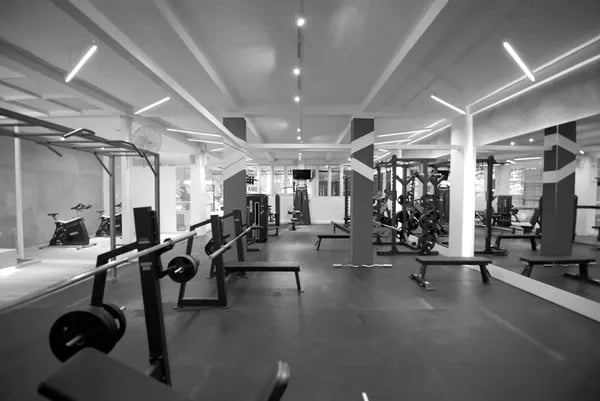



The idea of a home gym often begins as a simple solution to a busy schedule—but it quickly becomes something far more powerful: a space that supports consistency, focus, and long-term well-being. Mine started in a quiet corner of the living room, between a laundry basket and a window that let in just enough morning light to keep me moving. What began as an experiment soon transformed into a daily ritual that elevated not only my workouts, but also my mindset. Creating the best home gym isn’t about filling a room with expensive equipment or replicating a commercial fitness center. It’s about intention—choosing tools that match your goals, designing a layout that motivates you, and building an environment that makes movement feel natural and accessible. Whether you’re focused on strength training, flexibility, cardio, or a balanced mix of all three, the right setup can remove barriers and make fitness part of your lifestyle rather than a chore. In this story, I’ll explore what truly defines an effective home gym, how to select equipment that fits your space and routine, and why this personal investment can reshape your approach to health, time, and self-discipline—no crowds, no commute, just progress on your terms.
Why Build a Home Gym? (And How It Rescued My Mornings)
Let me paint you a picture. It's 5:30 AM, and I'm doing burpees in my living room wearing mismatched socks. My cat judges me from the couch, and my motivational poster (yes, it has a rainbow) stares down at me. This wasn't my original plan, but building a home gym became the best decision I never knew I needed.
The Home Gym Time Savings Revolution
Here's the math that changed everything: the average commute to the gymis 20 minutes round trip . That's 20 minutes I was losing every single workout session. Multiply that by five workouts per week, and I was spending nearly two hours just driving to exercise.
My home gym eliminated this completely. Those precious 15-20 minutes now belong to actual exercise or an extra cup of coffee. As fitness expert Jennifer Cohen puts it perfectly: "A home fitness room offers the convenience of working out on your own schedule."
Home Gym Flexibility: Your Schedule, Your Rules
Commercial gyms operate on their schedule, not yours. Rain, snow, or that awkward 2 PM energy crash – your home gym doesn't care. I've done midnight yoga sessions and 6 AM strength training without worrying about opening hours or weather conditions.
This home gym convenience means consistency becomes effortless. No more excuses about timing or external factors disrupting your routine.
Complete Home Gym Privacy (No More Gym Stares)
Remember those intimidating gym moments? The judgment eyes when you're figuring out a new machine? Gone. Your home gym offers complete privacy where you can grunt, sweat, and experiment with new exercises without feeling self-conscious.
This home gym privacy benefit extends beyond comfort – it actually improves performance. When you're not worried about others watching, you focus entirely on proper form and pushing your limits.
Cleanliness Control: Your Equipment, Your Standards
Here's something gyms don't advertise: you never know who used that equipment before you or how thoroughly it was cleaned. With your home setup, you control every wipe-down and sanitization process. This became especially valuable when hygiene concerns peaked globally.
The Long-Term Home Gym Budget Win
Initial setup costs seem scary, but let's crunch numbers. Typical monthly gymmemberships cost $40-100 . That's $480-1,200 annually. A quality home gym setup often pays for itself within two years, then continues saving money for decades.
Plus, you're investing in equipment you own rather than renting access to facilities.
Personal Touch: Make It Truly Yours
Want motivational quotes covering every wall? Go for it. Prefer working out to 80s music at full volume? Your neighbors might disagree, but your gym won't. This personal customization makes workouts more enjoyable and sustainable.
My home gym features that ridiculous rainbow poster, a small plant collection, and temperature control that actually works. These small touches transformed exercise from a chore into something I genuinely anticipate each morning.
Home Gym Equipment: What You Really Need (No More, No Less)
When I first decided to build my home gym , I made every beginner's mistake—I went overboard. I bought an ab wheel that became a glorified coat rack, a fancy foam roller I used twice, and equipment that took up half my garage. Here's what I learned: equipment needs vary based on fitness goals , and starting simple saves both money and space.
Don't let limited space stop you—a home gym can fit in a closet, spare room, or garage. – Joe Holder
The Holy Trinity: Your Basic Home Gym Setup
For a basic starter kit costing just $100–$250, these three items will transform your fitness routine:
Resistance bands: They replace an entire weight room in a tiny package
Exercise mat: Your foundation for floor exercises, stretching, and yoga
Adjustable dumbbells: The Swiss Army knife of strength training
I started with CAP Barbell resistance bands and a basic SPRI mat. Even in my cramped apartment, this setup delivered serious results in just 30 square feet of space.
The Game-Changers You Didn't Expect
Two pieces surprised me with their versatility:
A foldable bench transforms your home gym workout possibilities. It enables chest presses, rows, step-ups, and incline exercises. Look for models that fold flat and store under a bed—space-saving tips like this keep your living area functional.
A pull-up bar might seem basic, but it targets muscles that dumbbells can't reach effectively. Wall-mount racks save floor space while providing sturdy support for serious training.
Fancy Machines: The Reality Check
That full home gym station setup ranging from $800–$2000? Only worth it if you'll actually use it. I've seen too many expensive machines become dust collectors. Before investing in specialized equipment, ask yourself: "Will I use this three times per week for six months?"
Hidden Gems for Your Home Gym Equipment Arsenal
These multitaskers beat single-use gear every time:
Kettlebells: Combine cardio and strength in one movement
Medicine balls: Perfect for explosive power and core work
Foam rollers: Recovery is part of training, not optional
My personal favorite? A jump rope that fits in my sock drawer. It delivers intense cardio anywhere, costs under $15, and packs for travel.
The Modular Approach: Smart Home Gym Setup Strategy
Start small and expand as your goals evolve. This approach prevents overspending while ensuring you actually use what you buy. Begin with the holy trinity, then add pieces based on your developing interests—whether that's yoga props, heavier weights, or cardio equipment.
Remember, even small spaces can be converted into effective workout areas with minimal equipment . Your best home gym isn't determined by how much you spend, but by how consistently you show up and use what you have.
The Real Pros (and Hidden Cons) of Home Gyms
Let me be honest about Home Gym Pros Cons – it's not all sunshine and perfectly arranged dumbbells. After building my own setup, I've experienced both the incredible highs and some surprising challenges that nobody talks about.
The Game-Changing Benefits
No crowds—your playlist, your vibe. This might sound simple, but it changed everything for me. No more waiting for equipment or listening to someone else's questionable music choices. I can blast my favorite songs at any volume, creating the perfect workout atmosphere that keeps me motivated.
Consistency boost: Less friction, fewer excuses. Research shows that consistency in fitness routines improves with home gyms, as barriers like travel are removed . I used to skip workouts because of traffic, crowded parking, or bad weather. Now? I literally walk ten steps from my living room to my gym space. The convenience factor alone made my Home Gym Investment worth every penny.
Total control over your environment. Pick your music, temperature, even lighting. Celebrity trainer Gunnar Peterson puts it perfectly:
"You can't put a price on privacy and the ability to control your workout space."
I can adjust the air conditioning, dim the lights for yoga, or crank up the brightness for high-energy sessions. This level of personalization creates an environment where Home Gym Benefits truly shine.
The Hidden Challenges Nobody Mentions
Setup costs can be a shock at first. While a typical home gym starter pack runs $150–$300 to start, quality equipment adds up quickly. I initially budgeted $500 but ended up spending nearly double when I factored in proper flooring, mirrors, and storage solutions.
No onsite trainer unless you hire one. This hit me harder than expected. Without a trainer's guidance, I made form mistakes that took months to correct. YouTube videos help, but they can't spot you or provide real-time feedback like a live trainer.
Potential for "out of sight, out of mind" neglect. Here's my embarrassing confession: I once forgot to dust my dumbbells for six months. When your gym becomes part of your home décor, it's easy to overlook maintenance and gradually use it less frequently.
The Financial Reality
Despite the upfront costs, the math works in your favor. With estimated monthly gym membership savings of $50 average, most people reach their setup break-even point in 1.5–2 years. After that, your Home Gym Convenience comes essentially free.
The biggest challenge isn't financial—it's motivational. Without the social energy of a gym environment, some people struggle with consistency. I missed the subtle motivation that comes from seeing others work out around me.
However, for those who value privacy, flexibility, and long-term savings, a home gym represents one of the smartest fitness investments you can make. The key is being realistic about both the incredible advantages and the genuine challenges you'll face.
Who Will Actually Love a Home Gym? (Use Cases and Surprising Wins)
When I first started researching Home Gym Use Cases , I thought it was mainly for fitness fanatics. Boy, was I wrong! The diversity of people who benefit from home fitness setups surprised me completely.
The Busy Parent Revolution
Let's start with the most obvious winners: busy parents. Sarah, a mom in my neighborhood, used to skip workouts entirely because she couldn't find childcare. Now she does quick 10-minute sessions while her toddler naps. Her Home Gym Routine includes bodyweight exercises and resistance bands – simple but effective. She's proof that home gyms work for those stolen moments between life's chaos.
Schedule Rebels and Time Zone Warriors
Night owls and early birds face a common problem: gym hours don't match their energy peaks. My friend Jake works night shifts and hits his home gym at 2 AM when he's most alert. Meanwhile, Lisa starts her day with 5 AM yoga sessions in her converted spare room. The Home Gym Flexibility means working out when you want, not when facilities allow.
The Comfort Zone Champions
Here's where home gyms really shine: privacy. Introverts, people with hygiene concerns, and self-conscious beginners find their sanctuary at home. After the pandemic, roughly 30% of my fitness group converted spaces into Home Fitness Rooms specifically for these reasons. No judgment, no waiting for equipment, no gym germs – just pure focus.
Home gyms are a worthwhile investment for long-term health, especially for those with limited time or specific hygiene concerns. I've seen germaphobes who avoided gyms for years finally start consistent routines at home.
Athletes and Remote Worker Wins
Serious athletes love having dedicated training space available 24/7. No more scheduling around peak hours or missing sessions due to gym closures. Remote workers have discovered lunchtime fitness breaks boost afternoon productivity. Quick 15-minute sessions between Zoom calls became game-changers for work-from-home stress management.
The Surprising Success Stories
My biggest shock? Unexpected converts like my neighbor Tom, who started with gentle stretching for back pain and now crushes HIIT workouts daily. My spouse, who absolutely hated traditional gyms, uses our space for daily yoga and meditation.
My home gym became a sanctuary during stressful times—and it can be yours, too. – Kayla Itsines
Data backs this up: 70% of home gym users report higher workout consistency compared to traditional gym memberships. The convenience factor eliminates common excuses – no travel time, no crowds, no equipment waits.
Whether you're rehabbing from injury, managing stress, or pursuing athletic goals, home gyms accommodate every fitness level and lifestyle. From basement transformations to attic conversions, people are creating personalized spaces that actually get used. The key is matching your setup to your specific needs and schedule – something impossible with one-size-fits-all commercial gyms.

How to Choose (and Not Regret) Your Home Gym Setup
I learned the hard way that building the best home gym isn't about buying everything at once. After watching friends return bulky equipment they never used (online return rates hit 20% for home gym gear), I developed a smarter approach that saved me over $500 in unnecessary purchases.
Your best home gym is one you'll actually use, not just admire. – Cassey Ho
Set a Realistic Budget: Start Basic, Then Upgrade
When I first started my home gym setup, I wanted everything immediately. Big mistake. Equipment needs vary based on fitness goals, so I learned to start small and expand as needed. Begin with one or two pieces that match your actual workout routine, not your ideal one.
My recommendation? Start with $200-300 for basics like resistance bands, dumbbells, or a kettlebell. Once you've used these consistently for 2-3 months, then consider bigger investments. This approach prevents buyer's remorse and helps you understand what you truly need.
Size Matters: Measure Twice, Buy Once
I cannot stress this enough – measure your space before buying anything. That squat rack might look perfect online, but if it doesn't fit through your basement door, you're stuck with a very expensive mistake.
Create a floor plan of your workout area. Include ceiling height, doorway dimensions, and space for movement around equipment. Leave at least 2-3 feet of clearance around each piece for safe use.
Check Equipment Reviews Before Splurging
Before making any purchase, I spend time reading customer reviews and checking ratings. Real user experiences reveal issues that marketing materials hide. Look for reviews mentioning durability, ease of assembly, and actual space requirements.
Pay attention to negative reviews – they often highlight deal-breakers you hadn't considered. Check latest price here after reading reviews to ensure you're getting the best value.
Consider Multi-Use Equipment for Maximum Value
The smartest home gym comparison I made was choosing versatile equipment over single-purpose items. An adjustable bench serves multiple exercises, while resistance bands replace an entire weight set in a fraction of the space.
My top multi-use picks include:
Adjustable dumbbells (replace 15+ individual weights)
Suspension trainers (full-body workouts, minimal storage)
Exercise balls (core work, stretching, strength training)
Build Around Your Favorite Exercise, Not Instagram Trends
Here's borrowed wisdom that changed my approach: focus on what you already enjoy doing. If you love bodyweight exercises, invest in a quality mat and pull-up bar. If you prefer lifting, start with basic weights.
Don't build your home gym setup around trendy equipment you've never tried. Instagram-worthy setups often become expensive dust collectors. Instead, think about your routine and what motivates you to exercise consistently.
Include easy access to natural light if possible – it makes workouts more enjoyable and helps maintain energy levels throughout your routine.
Keep It Running: Home Gym Care, Upkeep, and Motivation Hacks
Building your dream home gym is just the beginning. The real magic happens when you keep it running like a well-oiled machine. I learned this the hard way after neglecting my equipment for months and watching my motivation disappear faster than my gains.
Home Gym Hygiene: Your Secret Superpower
Here's the golden rule for Home Gym Maintenance : wipe down after each use, no exceptions. I keep antibacterial wipes within arm's reach of every piece of equipment. This isn't just about cleanliness—it's about creating a professional environment that keeps you coming back.
Good hygiene is honestly a home gym superpower. Unlike commercial gyms where you're sharing sweaty surfaces with strangers, you control your environment completely. I sanitize my equipment after every session, and it takes less than two minutes. Trust me, future you will thank present you.
Monthly Home Gym Care Rituals
Every month, I do what I call my "gym inspection day." I tighten bolts on my weight bench, check resistance bands for wear, and lubricate moving parts on my rowing machine. This monthly Home Gym Upkeep routine has saved me hundreds of dollars in replacement costs.
Treat your home gym like a prized car—the better the upkeep, the longer it lasts. – Arnold Schwarzenegger
Equipment that's well-maintained can retain up to 60% of its resale value. More importantly, proper maintenance prevents breakdowns and keeps you safe during workouts.
Organization and Space Management
I use old bookshelves, storage baskets, and wall hooks to keep everything organized. My dumbbells live in one corner, resistance bands hang on designated hooks, and yoga mats slide neatly behind my mirror. Home Gym Hygiene extends beyond cleaning—it's about creating an organized space that invites you to work out.
Here's a funny reality: my kid's toys sometimes serve as accidental gym obstacles. Instead of fighting it, I've learned to incorporate family life into my fitness space. Sometimes my daughter joins me for "workout time," which keeps both of us active.
Motivation Hacks That Actually Work
I rotate my workout playlists monthly and change my routine every six weeks to prevent boredom. Visual cues work wonders too—I leave my sneakers right by my yoga mat as a constant reminder.
The best motivation hack? Share your space. When family members or roommates see you consistently using your gym, they often join in. My wife started using my resistance bands for her physical therapy, and now we work out together twice a week.
Keep your equipment visible and accessible. If you have to move three boxes to reach your weights, you probably won't use them. I learned this lesson after my treadmill became an expensive clothes hanger for two months.
Remember, ongoing care and organization are just as important as your initial gym setup for longevity, safety, and maintaining your workout enthusiasm.
Final Verdict: Is a Home Gym Actually Worth It? (Spoiler: Probably!)
After building my own best home gym and living with it for months, I can honestly say this: I'd never go back to a commercial gym. Not even close.
"Creating a home gym is about reclaiming your time—and your wellness." – Jillian Michaels
Let me be real with you. When I first considered this home gym investment , I was skeptical. Would I actually use it? Was it worth the money? Here's what I discovered: few investments match the personal benefits of having your own home fitness room .
The Numbers Don't Lie
Here's a surprising fact that sold me completely: studies show nearly 40% of gym memberships go unused after three months . Think about that. People pay monthly fees for something they don't even use! With a home gym, you eliminate that waste entirely.
But it's not just about money. It's about freedom, consistency, and comfort . No more driving across town at 6 AM. No more waiting for equipment. No more feeling judged by super-fit gym rats. Just you, your space, and zero excuses.
My Personal Journey: From Skeptic to Total Convert
I used to think home workouts were for people who couldn't handle "real" gyms. Boy, was I wrong. My home gym benefits became clear within the first week:
I worked out 5 times more consistently than before
No monthly fees eating into my budget
Complete hygiene control (especially important post-2020)
Workouts fit perfectly into my schedule
Start Where You Are: Perfection Isn't Required
Here's the beauty of building your own fitness sanctuary: your ideal setup is whatever helps you show up and keep going . You don't need a mansion-sized room or thousands of dollars. Start small. Add pieces over time. Let your needs guide your purchases.
I started with just resistance bands and a yoga mat. Six months later, I had a complete setup that rivals any commercial gym. The difference? Every piece serves my specific goals and preferences.
Simple Steps, Big Changes
Before making this home gym investment , try a "home workout week" using basic equipment. Test your commitment. See how it feels. Most people discover they love the convenience and privacy.
Remember, consistency in fitness routines improves dramatically with home gyms. When your gym is steps away from your bedroom, excuses disappear. Weather doesn't matter. Traffic doesn't exist. Your schedule becomes the only factor.
The long-term health benefits and financial savings make this one of the smartest investments you can make. Your future self will thank you for creating a space where wellness becomes effortless and sustainable.
FAQ: Honest Answers About the Best Home Gym
After building my dream home gym, I get asked the same questions over and over. Let me give you the real answers that no one else will tell you about home gym equipment .
How much space do I really need?
Here's the truth: you need less space than you think. My first setup fit in a 6x8 foot corner of my garage. A single room can house resistance bands, adjustable dumbbells, and a yoga mat. That's enough for a complete workout. If you have 8x10 feet, you can add a squat rack. The best home gym isn't about size—it's about smart planning.
What's the bare minimum equipment for a good workout?
I started with just three things: resistance bands, adjustable dumbbells, and a stability ball. Total cost? Under $200. This combination covers strength training, cardio, and flexibility work. Add a pull-up bar for $30, and you have everything needed for full-body fitness. Remember, your body doesn't know if you're lifting expensive machines or basic weights.
Is a home gym actually cheaper in the long run?
Let me break down the real numbers. My gym membership cost $50 monthly. That's $600 yearly, or $3,000 over five years. My complete home gym equipment setup cost $1,500 and will last decades with proper care. Home gyms save money over time —this isn't just marketing talk, it's basic math. Plus, no gas money, parking fees, or monthly surprises.
Can I get fit without fancy machines?
Absolutely. The most effective workouts often use the simplest tools. Bodyweight exercises, dumbbells, and resistance bands can build serious strength and muscle. Olympic athletes train with basic equipment all the time. You can be effective with minimal equipment —fancy doesn't equal effective. Focus on consistency over complexity.
How do I stay motivated at home?
This was my biggest worry initially. Here's what works: create a dedicated workout space, even if it's tiny. Set a schedule and stick to it. Remove barriers—keep your equipment visible and accessible. Join online fitness communities for accountability. Most importantly, start small and build habits gradually.
Your home gym can be your ultimate accountability partner if you let it. – Tony Horton
The key to home gym FAQ success lies in understanding that perfection isn't the goal—progress is. Your home gym grows with you, adapts to your changing needs, and never judges your workout clothes or morning hair. Whether you start with resistance bands or invest in a complete setup, the best home gym is the one you'll actually use consistently. Stop overthinking and start moving—your future self will thank you.
