
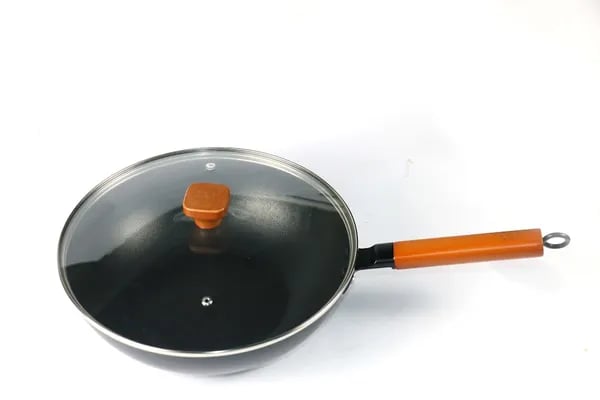



A great wok is more than a piece of cookware—it is a foundation for fast, flavorful, and remarkably versatile cooking across cuisines and cultures. From quick weekday stir-fries to slow-simmered sauces, steaming, shallow frying, and even breakfast dishes, the right wok adapts effortlessly to the rhythm of everyday kitchens around the world.
Yet not all woks are created equal. Materials, shape, heat responsiveness, compatibility with modern cooktops, and long-term maintenance all influence how well a wok performs and how long it lasts. This evergreen guide looks beyond trends and personal anecdotes to focus on what truly matters when selecting a high-quality wok and caring for it properly. Whether you are building your first cookware collection or upgrading a well-loved kitchen essential, you will find practical insights to help you choose a wok that delivers consistent results, develops character over time, and remains a trusted cooking companion for years to come.
Meet the Best Woks: More Than Just a Pan
I'll never forget my first kitchen disaster. Picture this: me, a confident college student, attempting to impress friends with homemade stir-fry using a flimsy non-stick pan. The vegetables turned soggy, the chicken stuck to the bottom, and everything tasted bland. Then my roommate's grandmother visited, took one look at my sad cooking setup, and handed me her well-seasoned carbon steel wok . That moment changed everything.
Within minutes, I watched vegetables dance in the curved pan, steam rising as they retained their crunch and vibrant colors. The heat distribution was incredible, and suddenly I understood what real wok cooking meant. That grandmother's wok wasn't just cookware—it was a family heirloom, passed down through generations, carrying memories and flavors from her homeland.
"The wok is not just cookware—it's an extension of the cook's hand, a vessel for memory and flavor." - Grace Young
The best woks truly are more than just pans. They're cultural bridges connecting us to centuries of cooking wisdom. My carbon steel companion has traveled with me through five apartments, countless dinner parties, and even outdoor camping trips. It's adapted to everything I've thrown at it—traditional stir-fries, steaming dumplings, deep-frying spring rolls, and yes, even tossing salads when I'm feeling creative.
The Science Behind Superior Wok Performance
What makes woks so versatile? The secret lies in their design and materials. Carbon steel woks heat rapidly and retain temperature better than regular pans. When you add high smoke point oil like peanut or avocado oil, magic happens. The curved surface creates different heat zones—scorching hot at the bottom, gentler heat up the sides—allowing you to cook ingredients at varying intensities simultaneously.
I've noticed my carbon steel wok develops beautiful blue-ish color changes over time. This isn't damage—it's seasoning in action. The metal undergoes chemical changes that create natural non-stick properties while adding depth to flavors. It's fascinating science happening right in your kitchen.
Carbon Steel vs. Non-Stick : The Real Difference
While researching the best woks, I've tested both carbon steel and non-stick varieties extensively. Carbon steel woks offer authentic cooking experiences with rapid heat response and the ability to achieve wok hay —that distinctive smoky flavor that makes restaurant-style dishes so irresistible. They're also incredibly durable; with proper care, they last 10+ years easily.
Non-stick woks provide convenience for beginners, requiring less oil and easier cleanup. However, they can't withstand the high temperatures needed for true wok cooking, and their coatings eventually wear down.
Cast iron woks retain heat exceptionally well but take longer to heat up, while stainless steel versions resist staining but don't develop the same seasoning properties as carbon steel.
The most popular sizes I recommend are 12-inch woks for smaller households and 14-inch versions for families or frequent entertainers. Both sizes offer enough surface area for proper ingredient movement while fitting standard stovetops.
The Secret to Wok Hay
That elusive wok hay —literally "breath of the wok"—only comes from high-heat cooking in properly seasoned carbon steel. It's the difference between good stir-fry and transcendent stir-fry. The combination of seasoned metal, high temperatures, and quick cooking creates unique flavor compounds that can't be replicated in regular pans.
My trusty wok has become more than cookware; it's a reliable kitchen companion that has never let me down. Whether I'm cooking for one or feeding a crowd, it adapts beautifully to every culinary challenge I present.
What Makes a Wok the Best: Key Features, Perks, and Real-Life Scenarios
After years of testing different woks in my kitchen, I've learned that the "best" wok isn't just about brand names or price tags. It's about understanding which features actually matter for your cooking style. As Kenji López-Alt puts it:
"A good wok is the cornerstone of quick, flavorful cooking—whether in a restaurant or at home."
Steel Thickness: The Foundation of Great Wok Cooking
The thickness of your wok's steel directly impacts that magical flavor we call wok hei . I've found that carbon steel woks with 1.5mm-2mm thickness strike the perfect balance. Thinner steel heats faster but can warp over high heat, while thicker steel takes forever to heat up but holds temperature beautifully.
Picture this: You're making fried rice on a Tuesday night after work. With thin steel, your wok gets screaming hot in 30 seconds, giving you that smoky flavor. But if you're cooking for a family gathering with multiple batches, thicker steel maintains consistent heat without constantly adjusting your burner.
Non-Stick Wok Coating: Friend or Foe?
Here's where I get honest about non-stick wok coatings . They're fantastic for beginners and delicate foods like fish, but they come with trade-offs. Most non-stick wok coatings last about 3-5 years with gentle care, and here's the catch—you can't achieve true wok hei with them since they break down at the high temperatures needed for proper stir-frying.
I use my non-stick wok for weekend egg scrambles and steaming vegetables, but when I want that restaurant-style char on my beef and broccoli, I reach for my seasoned carbon steel wok every time.
Handle Design: More Than Just Comfort
Ergonomic handles seem obvious, but I've discovered some surprising truths. That slight wobble in round-bottom woks? It's actually a feature, not a flaw. The wobble helps distribute oil naturally and creates better heat circulation during tossing motions.
Long handles stay cooler during cooking, but helper handles opposite the main handle make lifting easier when the wok is full. I learned this the hard way when trying to drain a wok full of blanched vegetables—nearly dropped the whole thing!
Factory Oils Residue: The Hidden Detail
This might surprise you, but new woks often come with factory oils residue that prevents rust during shipping. I always spot-check by running a paper towel across the surface—if it comes away brown or oily, I know I need to scrub thoroughly before seasoning.
Skipping this step means your first seasoning layers won't properly bond, leading to uneven coating and potential flaking later. It's like painting over dirty walls—the results never last.
Real-World Versatility: Beyond Your Kitchen
Here's my wildcard scenario: camping. I've used my carbon steel wok over campfires, and it's incredible. The high sides contain sparks, it heats evenly over wood coals, and cleanup is simple with just hot water and a scrub brush. Try doing that with your non-stick coating!
The best woks adapt to your lifestyle. Whether you're a college student with a single burner, a busy parent batch-cooking on weekends, or an outdoor cooking enthusiast, the right features make all the difference. Focus on steel quality, handle comfort, and coating durability that matches your cooking frequency and heat preferences.
Ups, Downs, and Wok Quirks: Honest Pros and Cons
Let me be completely honest with you about woks – they're amazing cooking tools, but they come with their own personality quirks that you need to understand before diving in. After years of wok cooking, I've learned that knowing both the good and challenging sides helps you make better decisions and avoid frustrating mistakes.
The Sweet Spots: Why Woks Win
Woks truly shine in several key areas that make them worth the learning curve:
Incredibly high heat tolerance: Unlike regular pans, woks can handle extreme temperatures that create that coveted "wok hei" flavor – the breath of the wok that gives restaurant-quality taste
Uses less oil: The curved shape naturally pools oil at the bottom, meaning you can stir-fry with minimal fat while still getting even coverage
Deeply flavorful searing: That concentrated heat zone creates incredible caramelization and smoky flavors that flat pans simply can't match
Versatile cooking methods: Steam, deep-fry, braise, or stir-fry – one tool handles multiple techniques beautifully
The Reality Check: Where Woks Get Tricky
Here's where things get real. Woks demand respect and proper care:
Hand wash wok requirement : Both carbon steel and non-stick versions must be hand-washed – dishwashers will destroy the seasoning and cause damage
Regular seasoning needs: Carbon steel woks need re-seasoning every few months to maintain their non-stick properties and prevent rust wok issues
Rust vulnerability: If not dried completely after washing, rust appears fast – I learned this the hard way when I forgot to dry my wok properly and woke up to rust city the next morning!
Learning curve: Mastering heat control and timing takes practice – expect some burned garlic in your early attempts
"Mistakes in wok care teach you faster than any cookbook ever could." – Ming Tsai
Non-Stick vs. Carbon Steel: The Trade-Offs
Non-stick woks offer beginner-friendly cooking, especially great for delicate foods like eggs. However, you must avoid metal cooking tools and never use abrasive scouring pads for non-stick wok cleaning, as these damage the coating. Their typical lifespan runs 3-5 years with careful use.
Carbon steel woks are incredibly tough and can last 10+ years, but they're true "water enemy woks" – moisture causes rust if you're not vigilant about drying. The good news? They wipe away cooking stains easily once properly seasoned, even if they can't wipe away the memories of learning mistakes!
Tool Compatibility: What Works and What Doesn't
Your utensil choice matters significantly:
Wooden and silicone utensils: Perfect for both wok types, gentle on surfaces, heat-resistant
Metal cooking tools: Great for carbon steel, but absolutely forbidden for non-stick surfaces
Cleaning tools: Soft sponges only – those abrasive scouring pads will destroy non-stick coatings and scratch carbon steel seasoning
The key to prevent rust wok problems is simple: wash gently, dry immediately and completely, then apply a light oil coating to carbon steel versions. This routine becomes second nature once you establish the habit, and the payoff in flavor and performance makes every extra step worthwhile.
Understanding these honest pros and cons helps you choose the right wok type for your cooking style and maintenance preferences, setting realistic expectations for your wok cooking journey.

Wok Matchmaking: Which Type Is Right For You (With Wild Card Appetites)
Finding the right wok is like dating—you need to know yourself first. Are you the type who loves high drama in the kitchen, or do you prefer things simple and stress-free? Let me help you figure out how to choose a wok that matches your cooking personality perfectly.
The Heat Lover: Carbon Steel is Your Soulmate
Love blast heat and don't mind a little relationship work? Carbon steel is calling your name. Classic chefs swear by these workhorses because they handle extreme temperatures like champions. When you crank up that burner, carbon steel responds with even heat distribution and that coveted "wok hei" flavor.
Yes, you'll need to go through the wok seasoning process —think of it as a bonding ritual. But once you've built that perfect non-stick layer naturally, you'll have a cooking partner for life. Just remember to use wooden, silicone, or plastic utensils to protect that precious seasoning you worked so hard to develop.
The 'Set and Forget' Type: Non-Stick Made Easy
If you're more of a "let's get cooking without the ceremony" person, non-stick woks are your best friend. Ready in minutes with no initial wok seasoning process pain, these woks let you focus on the food, not the maintenance.
Perfect for beginners or busy weeknight warriors, non-stick woks clean up with minimal effort. Just keep those temperatures moderate—these woks prefer a gentler approach than their carbon steel cousins.
Space-Challenged Kitchens: Flat Bottom for the Win
Living in a tiny apartment with an electric stove? A flat bottom wok is your space-saving hero. More stable and less drama than traditional round-bottom woks, these sit perfectly on electric burners without wobbling around like a confused tourist.
Flat-bottom woks work especially well for electric stoves, giving you better heat contact and control. They're also easier to store—no special wok ring required.
Who Should Think Twice
Some personalities just don't mesh well with certain wok types. If you're allergic to hand washing or get stressed about wooden handle warping , traditional carbon steel might not be your match. Those wooden handles need gentle care—never submerge them completely, and always dry immediately after washing.
Dishwasher devotees should stick with non-stick options, while those who forget to oil their pans regularly might find carbon steel too high-maintenance.
Real-World Success Story
My friend Sarah perfectly illustrates this matchmaking process. She started with one flat-bottom carbon steel wok and a single induction burner in her studio apartment. Now she has endless stir fry bragging rights and feeds dinner parties of eight with just that setup. The key? She chose based on her actual cooking style, not what looked impressive.
"The wok that suits your habits is the one you'll use—and love—the most." - Joanne Chang
Quick Compatibility Check
High-heat enthusiasts: Carbon steel traditional woks
Convenience seekers: Non-stick with flat bottoms
Small kitchen dwellers: Flat-bottom woks for stability
Induction users: Magnetic-bottom woks only
Low-maintenance types: Non-stick or well-seasoned carbon steel
Remember, the best wok isn't the most expensive or the most traditional—it's the one that makes you excited to cook. Choose based on your real cooking habits, not your aspirational ones.
Season Like a Legend: How to Unlock Flavors and Color (First Time Tips)
Learning how to season wok properly is like mastering a secret recipe that transforms an ordinary cooking tool into your kitchen's MVP. I'll never forget my first attempt—what I call my "stir-fry confetti" moment. Onion bits flew everywhere because my unseasoned wok grabbed onto everything like velcro. But once I nailed the seasoning process, that same dish delivered unbeatable flavors that made the chaos worthwhile.
Martin Yan: "A well-seasoned wok is like an old friend—it gets better every time you meet."
The Essential Wok Seasoning Process: Your Step-by-Step Guide
Before your wok can deliver restaurant-quality results, it needs proper seasoning. This wok seasoning process creates a natural non-stick surface and prevents rust. Here's how I do it every time:
Wash thoroughly: Remove factory oils and residues with hot soapy water and scrub gently with a sponge
Dry completely: Heat the wok on medium heat until all water evaporates
Watch for color change: Continue heating until you see that magical blueish color appear—this is your badge of honor
Apply oil evenly: Use a high smoke point oil like vegetable oil (450°F) or peanut oil (450°F)
Wipe excess oil: Use paper towel application to ensure only a thin, almost invisible layer remains
Choosing the Right High Smoke Point Oil
Not all oils work equally well for seasoning. Here's my go-to list with their smoke points:
Oil Type | Smoke Point | Best For |
|---|---|---|
Vegetable Oil | 450°F | General seasoning |
Peanut Oil | 450°F | High-heat cooking |
Canola Oil | 400°F | Budget-friendly option |
The Color Change That Changes Everything
When you heat your wok properly, you'll notice it developing a blueish color change . This isn't damage—it's actually steel oxidation that creates the foundation for your non-stick surface. Think of it as your wok's way of telling you it's ready for the oil treatment.
Master the Paper Towel Application Technique
The secret to perfect seasoning lies in the paper towel application method. After heating your oil-coated wok for 2-3 minutes, grab a pair of tongs and a paper towel. Carefully wipe the entire surface, removing excess oil while leaving behind that crucial thin layer. This step prevents sticky buildup and ensures even seasoning.
Timing Your First Seasoning Session
Plan for 30-60 minutes for your first seasoning session. Don't rush this process—good things take time. I usually do this on a relaxed weekend when I can monitor the wok without distractions.
Common First-Time Mistakes to Avoid
Using too much oil: More isn't better—excess oil creates sticky patches
Skipping the wash step: Factory residues prevent proper seasoning
Rushing the heat process: Let the blueish color develop naturally
Forgetting
Wok Aftercare: A Lifetime Companion's Routine (Cleaning, Maintenance, and Troubleshooting)
Proper wok care transforms your cooking tool from a simple pan into a lifelong kitchen companion. As celebrity chef Ching-He Huang wisely notes: "Treat your wok with the same patience you would an old friend—both get better with care." Understanding how to clean wok properly and maintain it ensures decades of reliable service.
Daily Cleaning Routine: The Gentle Approach
Learning how to clean wok correctly starts with understanding what your wok needs immediately after cooking. Never let your wok sit with food residue, as this can damage the seasoning layer that makes it naturally non-stick.
Start your cleaning process while the wok is still warm. Use mild dish soap sparingly—just a few drops mixed with warm water. The key tool here is a soft sponge cloth , which removes food particles without scratching the surface. Avoid abrasive scouring pads completely, as they strip away the protective seasoning layer that took time to develop.
Hand wash your wok always. Dishwasher usage for woks stands at 0% recommended by professional chefs. The harsh detergents and high heat cycles destroy the seasoning and can cause warping in carbon steel and cast iron woks.
Drying: Preventing Your Wok's Greatest Enemy
Regular wok care includes proper drying to prevent rust wok formation. After washing, towel dry completely using a clean kitchen towel. For extra protection, place the wok on medium heat for 2-3 minutes. This heat-drying method evaporates any remaining moisture that towels might miss.
Watch for water droplets hiding in the wok's curves—these are rust's favorite starting points. A properly dried wok should feel completely dry to the touch and show no water spots.
Handling Stubborn Residue: The Patience Method
Sometimes food sticks despite your best efforts. For stubborn residue, soaking helps, but timing matters. Soak your wok for 10-15 minutes maximum, not overnight. Extended soaking promotes rust formation and can damage the seasoning layer.
After the brief soak, use your soft sponge cloth with mild dish soap to gently work away the residue. For particularly stubborn spots, a metal scrubber can help, but use it sparingly and only on carbon steel or cast iron woks—never on non-stick surfaces.
Troubleshooting Common Issues
Rust Spots Removal : The Three-Step Rescue
Discovering rust doesn't mean your wok is ruined. The rust spots removal process follows three simple steps: scrub, oil, heat. First, scrub the rust away using fine steel wool or a metal scrubber. Next, apply a thin layer of cooking oil to the affected area. Finally, heat the wok on medium heat for several minutes to create a new protective layer.
Over-Cleaning Mistakes
Many beginners make the mistake of over-scrubbing iron woks, thinking cleaner means better. This removes the protective layers that prevent sticking and rusting. If your food starts sticking more than usual, you may have over-cleaned your wok and need to re-season it.
Common Cleaning Errors and Solutions
Using too much soap: Stick to just a few drops of mild dish soap
Letting water sit: Always dry immediately after washing
Rough scrubbing: Gentle pressure with soft materials works better
Skipping heat-drying: This step prevents hidden moisture problems
Remember, proper wok maintenance isn't complicated—it's about consistency. These simple daily habits
Wok Wisdom: FAQs, Final Thoughts, and a Metaphorical Bow
Before we part ways on this wok journey, let me answer the questions that keep popping up in my inbox. Think of this as our final conversation over steaming bowls of perfectly stir-fried vegetables.
Your Most Asked Questions, Answered
Does seasoning actually change the flavor of my food? Absolutely—and for the better. Each cooking session adds another layer to your wok's flavor profile. That beautiful patina isn't just protective; it's a flavor archive. My five-year-old carbon steel wok makes even simple scrambled eggs taste more complex than they have any right to.
Is buying a 'pre-seasoned' wok worth the extra cost? Sometimes, but personal seasoning builds memories. Pre-seasoned woks give you a head start, like getting a friendship bracelet already half-made. But there's something magical about building that first layer yourself—it's your relationship's foundation story.
How often should I oil my wok for proper maintenance? After each use for long life. This isn't negotiable if you want your wok to outlive your smartphone. Regular post-cooking maintenance extends lifespan: wiping down the wok with vegetable oil after each use, even after steaming, helps maintain the seasoning and prevent rust. It takes thirty seconds but adds years to your wok's life.
Can I use metal cooking tools in my wok? Only for carbon steel, never non-stick. Carbon steel woks are tough enough to handle metal spatulas and actually benefit from the occasional scraping. Non-stick surfaces, however, will cry (and chip) if you look at them wrong with a metal spoon.
What's the secret to effective wok cleaning tips without damaging the seasoning? Hot water and a soft sponge are your best friends. Skip the soap unless absolutely necessary, and never, ever put your seasoned wok in the dishwasher. Think of it as washing a cast iron pan's athletic cousin.
Final Thoughts: A Love Letter to Your Future Wok
"A wok's soul lies in its scars and flavors." - Grace Young
Grace Young's wisdom captures something profound about wok ownership. Your wok isn't just cookware; it's a canvas for culinary memories. Every scratch tells a story, every darkened spot represents a successful meal shared with people you care about.
The best wok care maintenance isn't just about preventing rust or maintaining non-stick properties. It's about respecting a tool that connects you to centuries of cooking tradition. When you oil your wok after each use, you're participating in a ritual that countless cooks before you have performed.
If my wok could talk, it would probably ask for softer sponges and less drama during cleaning. It might also thank me for the gentle seasoning sessions and forgive me for that one time I left it wet overnight (lesson learned, rust spots and all).
Your wok journey doesn't end with purchase—it begins there. Whether you choose carbon steel for its character-building potential or non-stick for its convenience, remember that the best wok is the one you actually use. Cook with confidence, clean with care, and season with patience.
Here's to many years of perfect stir-fries, successful steaming sessions, and the quiet satisfaction that comes from mastering a tool that has fed families for generations. May your wok serve you well, and may you return that service with proper care and plenty of delicious adventures.
Now go forth and wok on.
TL;DR: The best woks are true kitchen workhorses. With the right care—think regular seasoning, gentle cleaning, and a touch of patience—they’ll not only elevate your meals but become a lifelong cooking companion. Choose wisely, care well, and happy stir-frying!
