
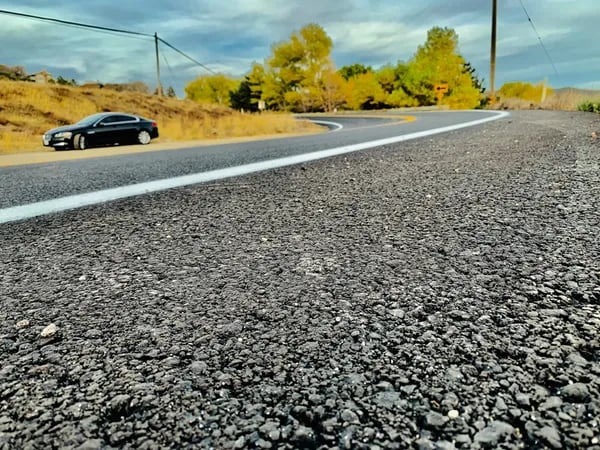



It took a small but stubborn pothole in my driveway to reveal a larger truth: asphalt maintenance isn’t just about appearances — it’s about safety, longevity, and protecting one of your property’s most overlooked investments. Over time, weather shifts, traffic, and simple wear can quietly weaken even the most solid-looking surface. Left untreated, small cracks evolve into costly repairs, safety hazards, and a steady drain on both time and money. Asphalt repair, done well, is not reactionary — it’s strategic. Whether you’re caring for a driveway, private road, parking area, or commercial space, the right approach can significantly extend the life of your surface and preserve its structural integrity. In this guide, we’ll explore what truly defines “the best” asphalt repair methods, how to identify problems before they escalate, and which solutions offer the most reliable, long-term results — no matter where in the world you’re maintaining your pavement. This isn’t just about fixing what’s broken. It’s about understanding your surface, choosing smarter solutions, and investing in durability that holds up to real-world conditions.
Asphalt 101: More Than Just a 'Black Top' (A Personal Wake-Up Call)
Picture this: I'm hosting my first neighborhood barbecue, feeling pretty proud of my newly purchased home. Everything's perfect until my mother-in-law steps out of her car and promptly twists her ankle in a pothole I'd been ignoring for months. While she recovered fine (thank goodness), the embarrassment of explaining why I'd let my driveway turn into a miniature crater field was... well, let's just say it wasn't my finest moment.
That day taught me something important about asphalt maintenance tips : what seems like "just cosmetic" can quickly become a safety hazard and financial nightmare. I learned the hard way that asphalt isn't just that black stuff you park on—it's a surprisingly complex material that demands respect and regular care.
Why We All Treat Asphalt Like the Forgotten Child
Here's the thing about asphalt pavement care: it's everywhere, yet somehow always optional in our minds. We'll spend hundreds on lawn fertilizer or new gutters, but mention driveway maintenance and suddenly everyone becomes a procrastination expert. I get it—I was the same way.
Asphalt feels permanent until it isn't. Unlike concrete, asphalt is designed to be flexible . It bends with temperature changes and settles with your home's foundation. This flexibility makes it cost-effective and comfortable to drive on, but it also makes it vulnerable to weather, time, and neglect.
The Hidden Cost of "It's Fine for Now"
Think of asphalt as your home's skin. Just like skin, it protects what's underneath, but ignore it and you'll face sunburn, bruises, and blisters. Those small cracks I dismissed? They became water highways straight to my driveway's foundation. What started as a $50 repair became a $2,800 replacement nightmare.
"Asphalt isn't just a surface, it's the foundation of your property's curb appeal and safety." — Mark Robinson, Asphalt Specialist
The numbers tell the story: prompt repair of cracks and potholes prevents further deterioration and costly major repairs. A simple pothole repair costs $50-$200, while full driveway replacement runs $1,500-$4,000. Regular maintenance such as sealcoating and crack sealing significantly extends asphalt pavement lifespan—sometimes doubling it.
Your 640-Square-Foot Money Pit
Here's a fun fact that wasn't fun when I learned it: the average American driveway covers roughly 640 square feet. That's a lot of surface area quietly deteriorating while you're focused on everything else. At $100-$300 annually for best asphalt repair maintenance, it seems expensive until you compare it to replacement costs.
My wake-up call taught me that asphalt maintenance isn't about perfection—it's about prevention. Those hairline cracks aren't character marks; they're emergency signals. Water seeps in, freezes, expands, and turns minor issues into major headaches faster than you'd believe possible.
Understanding asphalt basics changed my entire approach to homeownership. It's not just about keeping things looking nice—it's about protecting your investment before small problems become big, expensive ones.
Crack Sealing, Sealcoating & The Big Mix-Up: What's What?
Let me clear up the biggest confusion in asphalt repair products : crack sealing and sealcoating are not the same thing. Think of it this way—crack sealing is like putting a bandage on a cut, while sealcoating is like applying sunscreen before you go to the beach.
"Sealcoating acts as sunscreen, guard rails, and a raincoat for your driveway—all in one." — Lisa Marks, Asphalt Contractor
The Great Mix-Up: What Each Actually Does
Asphalt crack sealing targets specific damage. You're literally filling cracks with specialized materials to stop water from sneaking in and making things worse. It's surgery—precise and focused.
Asphalt sealcoating benefits come from protection. You're coating the entire surface to prevent future damage from sun, rain, and chemicals. It's preventive medicine for your driveway.
Here's my embarrassing DIY story: I once tried using cold patch compound as sealcoating material. I spread it thin across my entire driveway thinking "repair product is repair product, right?" Wrong. I ended up with a sticky, uneven mess that trapped every leaf and piece of dirt for months.
Product Breakdown: The Heavy Hitters
Cold patch works like thick peanut butter—you can apply it straight from the container, no heating required. Perfect for potholes and larger damaged areas. One user review I love: "Works great, but my kids thought it was chocolate frosting. Keep away from curious toddlers!"
Hot pour fillers are the premium option. You heat them up, and they flow like honey into cracks. They create stronger, more flexible seals but require more equipment.
Liquid crack fillers are the easy-squeeze option—think toothpaste consistency. Great for hairline cracks but won't handle anything serious.
The Weather Conspiracy Against Your Asphalt
Here's what's really happening: Water gets into tiny cracks, freezes, expands, and creates bigger cracks. UV rays break down the asphalt binder (the "glue" holding everything together). Add some road salt and oil spills, and you've got the perfect storm.
The chemistry is surprisingly simple. Asphalt repair products contain petroleum-based binders, aggregate fillers, and sometimes rubber modifiers for flexibility. The key is matching the product to your climate—rigid fillers work great in Arizona but crack in Minnesota winters.
Cost Reality Check
Sealcoating runs $0.75-$1.50 per square foot, typically needed every 3-7 years. Asphalt crack sealing costs $1-$3 per linear foot but should be done every 2-3 years. A 5-gallon bucket covers 300-400 square feet, and most crack fillers last 1-2 years once opened.
The bottom line? Using hair gel as sunscreen doesn't work, and neither does using the wrong asphalt product. Match your repair method to your specific problem, and your driveway will thank you with years of reliable service.
The Good, the Bad, and the Lumpy: Pros & Cons of Asphalt Repair Solutions
After fifteen years of playing asphalt whisperer to my increasingly rebellious driveway, I've learned that asphalt repair pros and cons aren't always what they seem on the packaging. Let me share my battle-tested insights about what actually works and what leaves you cursing at your garage door.
The Quick Fix Champions: Cold Patch Solutions
Pros: These bags of salvation cost around $25-$75 and promise instant gratification. I've used Quikrete and Sakrete countless times – they're like Band-Aids for pavement. Perfect for emergency pothole fixes when your mother-in-law visits unexpectedly.
Cons: Here's the harsh truth: cold patch lasts 1-2 years on average, then starts looking like a deflated soufflé. I've redone the same spot three times because I convinced myself "this time will be different."
Professional Hot Pour: The Gold Standard
When I finally surrendered my DIY pride and called professionals, they used hot pour methods that lasted 4-7 years. Yes, it cost $150-$400 per project, but as restoration expert Chris Everett says:
"The best asphalt fix isn't the one that looks good today—it's the one you don't notice in five years."
The reality check: Professional repairs look seamless but require scheduling, weather cooperation, and patience – luxuries I rarely possess during driveway emergencies.
Liquid Fillers and Crack Sealers: The Middle Ground
Products like Latex-ite and Henry's offer compromise solutions. They're easier than patches but more durable than hoping the crack will heal itself (spoiler: it won't).
Pros: Simple application, decent longevity, cost-effective
Cons: Weather-sensitive, can look uneven if rushed
Hidden Costs Nobody Mentions
Here's my hard-learned lesson about asphalt repair products comparison : budget for failures. I've wasted countless bags on repairs attempted during surprise rain showers, bought wrong materials for specific crack types, and redone botched jobs multiple times.
DIY vs. Professional: Managing Expectations
DIY works for small cracks and minor patches, but extensive damage needs professional expertise. I learned this after my ambitious overlay project resembled abstract art more than functional pavement.
Wild card thought: If car tires could leave Yelp reviews, mine would read: "Bumpy ride, inconsistent texture, would not recommend this driveway experience – 2 stars."
Brand Reality Check
My honest favorites after countless experiments:
Quikrete: Reliable but temporary
Latex-ite: Good for crack sealing
Henry's: Decent liquid solutions
The disappointing truth? Even premium products require realistic expectations. Asphalt repair benefits include preventing bigger problems, but perfect results are rare. Sometimes "good enough" beats endless perfection-seeking that drains your wallet and sanity.
Remember: the best repair strategy balances cost, convenience, and longevity based on your specific situation, not marketing promises.
When To Patch (and When To Panic): Best Use Cases & 'Buyer Profiles'
Let me tell you about my Saturday morning revelation. Standing in my driveway with a bucket of asphalt repair compound, I realized something important: knowing when to DIY and when to call professionals can save you thousands . Here's your guide to smart asphalt repair use cases .
The DIY Hero Profile: Weekend Warriors Who Win
You're perfect for DIY asphalt driveway maintenance if you have:
Cracks smaller than your thumb width
Residential driveways with light traffic
Minor parking lot damage in low-traffic areas
Time and patience for proper preparation
My neighbor Sarah tackled her driveway cracks last spring. Six months later? Still holding strong. Her secret: she caught them early and followed proper surface prep. DIY patch lifespan averages 1-2 years when done correctly.
When Microscopic Matters: The Hidden Leak Lesson
Here's a story that changed how I view small cracks. My friend's parking lot had hairline cracks that seemed harmless. During heavy rains, water seeped through, creating underground erosion. What started as $200 in crack sealer became a $8,000 foundation repair nightmare.
"Small cracks become big expenses—procrastination costs more than supplies." — Nancy Lee, Property Manager
The lesson? Address microscopic cracks immediately , especially in climates with freeze-thaw cycles.
Commercial & High-Traffic: When Professionals Pay Off
Call professionals for:
Business parking lots with heavy daily traffic
Insurance claims requiring certified work
Structural damage or widespread deterioration
Municipal or commercial liability requirements
Professionally-installed patches last 4-7 years in residential settings and 2-5 years in high-traffic commercial areas, making them cost-effective for demanding applications.
Climate Considerations: Your Environmental Repair Strategy
Your location dramatically affects asphalt parking lot care strategies:
Northern climates: Focus on fall repairs before winter. De-icing chemicals accelerate deterioration, requiring specialized sealants.
Hot climates: Summer heat makes asphalt softer, allowing deeper crack penetration but requiring heat-resistant materials.
Flood-prone areas: Prioritize drainage improvements alongside crack repair.
Success Story: Community Center Savings
The Riverside Community Center implemented preventative crack sealing every two years instead of waiting for major repairs. Result? They reduced annual maintenance costs by 60% , extending their parking lot's life from 15 to 25 years.
Repair Longevity by Setting
Setting | DIY Lifespan | Professional Lifespan |
|---|---|---|
Residential Driveway | 1-2 years | 4-7 years |
Light Commercial | 6-12 months | 3-5 years |
Heavy Traffic | Not recommended | 2-5 years |
Remember: prompt repair of cracks and potholes prevents further deterioration and costly major repairs . Whether you're a weekend DIY enthusiast or managing commercial properties, matching your repair approach to your specific situation ensures the best long-term value.

Choosing Your Fighter: How to Pick (or Invent) the Right Asphalt Repair Product accesskey
I've stood in hardware store aisles staring at thirty-plus different asphalt repair products , feeling like I was choosing a weapon for battle. Because honestly, that's exactly what you're doing—picking your fighter against Mother Nature's assault on your driveway.
Know Your Enemy: Damage Assessment Made Simple
Before diving into asphalt repair product selection , you need to diagnose what you're dealing with. I learned this the hard way after buying a $15 crack filler for what turned out to be a legitimate pothole that needed a $45 patch kit.
Here's my simple damage scale:
Hairline cracks: Liquid crack fillers work perfectly
Wide cracks (bigger than a pencil): Rope caulk or rubberized sealers
Small holes: Cold-mix asphalt patches
Actual potholes: Hot-mix solutions or professional help
The Real Decision Checklist
Forget the fancy marketing—here's what actually matters when selecting asphalt repair solutions pricing and products:
Weather reality check: I once applied a "quick-dry" formula right before a rainstorm. Three days later, I had expensive mud instead of a repair. Check your local forecast and choose products with appropriate curing times.
Traffic levels: My neighbor's rarely-used side driveway thrives with budget repairs, while my main driveway (hello, delivery trucks!) demands industrial-grade solutions.
Budget versus patience: Premium products often save money long-term, but sometimes you just need something that works now .
Buying the 'right' repair kit is less about price and more about what you're willing to live with. — Janet Harris, Home Improvement Blogger
Reading Between the Marketing Lines
Manufacturers love buzzwords, but here's what I've learned actually matters:
"Permanent fix" usually means 2-3 years maximum
"Professional grade" often just means harder to apply
"All-weather" doesn't include your specific extreme weather
The Green Question: Eco-Friendly Reality Check
Eco-friendly repair product usage is up 15% in recent years, but are these products legitimate improvements or marketing magic? I've tested several, and honestly, the results are mixed. Some work beautifully, others dissolve faster than my patience.
Look for specific certifications rather than vague "green" claims.
DIY Disasters I've Witnessed
Skip the YouTube tutorials suggesting household items as asphalt repair products . I've seen coffee grounds, kitty litter, and even peanut butter attempted. Spoiler alert: none worked.
The DIY cost range spans $11 to $100+ per container, and I've learned that sometimes the middle-priced options outperform both extremes.
Could you theoretically "invent" your own repair solution? Sure, but unless you have a chemistry lab and infinite patience, stick with tested products. Your driveway will thank you.
Regular Care, Real Savings: Maintenance & Survival Tips from the Asphalt 'Front Lines'
Let me share what I learned after years of watching my driveway turn from smooth asphalt into a crater-filled disaster zone. The truth is, asphalt maintenance routine isn't just about keeping things pretty—it's about protecting your wallet from massive repair bills down the road.
My Annual Cleaning Wake-Up Call
Last spring, I finally committed to a thorough driveway cleaning. What I discovered shocked me: debris and oil stains are silent destroyers . That innocent-looking pile of leaves had created moisture pockets that started three new cracks. The oil stain from my old truck? It had eaten through the top layer like acid. Regular inspections and cleaning prevent accumulation of debris and stains that degrade asphalt quality faster than you'd imagine.
Now I sweep monthly and pressure wash twice yearly. This simple habit saves me hundreds compared to emergency repairs.
Smart Scheduling: Your Phone is Your Best Tool
Here's my game-changing asphalt repair maintenance tip : Set recurring phone alarms for crack checks every spring and fall. I call them "crack alerts," and they've prevented three major issues already. Small cracks cost $20 in sealant; major ones cost $2,000 in reconstruction.
The math is simple: spending $300 annually on maintenance saves you thousands in major repairs. That's real money back in your pocket.
The Drainage Fix That Saved My Garage
Water damage nearly destroyed my garage entrance until I learned this: proper drainage and curb maintenance are critical to prevent water damage and safety hazards on asphalt surfaces . I installed a simple French drain along the problem edge—cost me $150 and two weekends. No more flooding, no more foundation concerns.
"Maintenance isn't glamorous, but neither are potholes in front of your house." — Carla Martinez, Real Estate Agent
Little-Known Tactics That Actually Work
My asphalt repair care tips from the trenches:
Edge control: Trim grass away from asphalt edges—roots cause cracking
Weed warfare: Pull weeds immediately; their roots create weak spots
The kitty litter trick: Clay-based litter absorbs fresh oil spills completely
Hot-weather wisdom: Avoid driving on fresh sealcoat during summer heat
Property Value Bonus
Well-maintained driveways boost property values by 2-5% on average. My neighbor sold her house for $8,000 more than comparable homes, and the realtor specifically mentioned the pristine driveway as a selling point.
When to Call the Pros
Know your limits. I learned this the hard way when my "simple crack repair" turned into a mini-sinkhole saga. Call professionals when:
Cracks exceed 1/4 inch width
Water pools consistently in one area
You see foundation settlement signs
DIY saves money, but knowing when to stop prevents disasters that cost exponentially more.
Final Word: Good-Enough Repair (Why Perfect Asphalt Doesn't Exist)
Let me share my " Ugly Patch Award " story. Last spring, I fixed a nasty crack in my driveway with black asphalt filler. It looked terrible—lumpy, uneven, nothing like the smooth surface around it. I was embarrassed until my neighbor Jake walked over and said, "Nice work! That'll last years." Six months later, while other driveways in the neighborhood developed new cracks, mine stayed solid.
People overthink driveways. Just fix the cracks and call it a win. — Jake Turner, DIY Neighbor
That ugly patch taught me something important about asphalt repair benefits : function always beats looks. My neighbors don't judge my driveway's appearance—they judge whether I'm maintaining my property. A well-functioning repair that prevents water damage and extends pavement life is worth ten times more than a pretty patch that fails in winter.
Why Quick Action Trumps Perfect Results
The best repair is the one you do soon and maintain regularly . I've learned this the hard way. When you spot a crack, you have maybe six months before it becomes a pothole. Weather doesn't wait for you to research the perfect solution or save money for professional work.
Effective asphalt pavement care follows the "good enough, done now" principle. A $15 tube of crack filler applied today protects your investment better than a $500 professional repair scheduled for next month—if that crack spreads first.
The Reality Check: Pros, Cons, and Picking Your Path
Here's what I've discovered about asphalt repair options:
DIY repairs: Cheap, immediate, ugly but functional
Professional work: Expensive, perfect-looking, scheduling delays
Regular maintenance: Ongoing effort, prevents major problems
Choose based on your situation, not perfection standards. Small cracks need quick fixes. Major damage requires professionals. Everything else falls somewhere between.
If Asphalt Could Talk
Sometimes I imagine my driveway speaking: "Stop obsessing over my appearance! Just keep water out of my cracks and I'll serve you for decades." Asphalt doesn't care about aesthetics—it cares about protection from the elements.
Your pavement wants consistent care, not sporadic perfection. Regular sealing, prompt crack repair, and winter prep matter more than achieving magazine-worthy smoothness.
My Final Recommendation: Chase Longevity, Not Perfection
Don't chase perfection—chase longevity with reasonable effort . Perfect asphalt doesn't exist because weather, traffic, and time constantly work against it. Instead, focus on:
Acting quickly when problems appear
Using appropriate materials for each situation
Maintaining regularly rather than dramatically
Accepting that function matters more than form
You have permission to stop worrying about perfect results and start protecting your investment. That ugly patch in my driveway? It's still holding strong, saving me thousands in potential water damage. Sometimes the best solution is the one that simply works.
FAQ: Real People, Real Problems—Answers You Actually Want
I've been fielding asphalt repair questions from friends, neighbors, and readers for years. Here are the asphalt repair solutions FAQ answers that actually matter when you're standing in your driveway wondering what to do next.
How Long Does DIY Asphalt Repair Last, Really?
Here's the honest truth: a proper DIY crack fill can last 2-3 years, while a sloppy weekend job might fail by next spring. I've seen homeowners get excellent results with quality materials and proper prep work. The key is thorough cleaning and following cure times religiously. However, for anything larger than hairline cracks or small potholes, DIY asphalt repair is often best left to experts who have the right equipment and experience.
Can I Apply Sealcoating in Cold Weather?
Don't do it. I learned this the hard way watching a neighbor's sealcoat job turn into a gray, patchy mess. Most sealers need temperatures above 50°F and at least 24 hours without rain. Cold weather prevents proper curing, leaving you with a surface that peels and flakes. Wait for a warm, dry stretch—your patience will pay off with results that actually last.
Is It Worth Hiring a Professional for a Small Job?
For a single crack or small pothole? Probably not. But here's what I tell everyone: if you're looking at multiple issues, uneven settling, or anything near your home's foundation, call a pro. The diagnostic skills alone are worth it. A good contractor can spot underlying problems that'll save you thousands down the road. Plus, they often bundle small repairs efficiently.
How Do I Fix Oil Stains Before Repair?
Oil stains are repair killers—nothing sticks properly to petroleum residue. Start with a degreasing detergent and hot water. For stubborn stains, I've had success with TSP (trisodium phosphate) cleaner. Scrub hard, rinse thoroughly, and let it dry completely. Some stains need commercial oil-stain primers before any repair material goes down. Skip this step, and your repair will literally slide right off.
What's the Worst Thing That Happens If I Just Wait Another Year?
Water damage escalates fast. Those innocent-looking cracks become frost heaves. Small potholes become crumbling edges. I've watched driveways go from "needs some attention" to "needs complete replacement" in a single harsh winter. The worst part? Water can undermine your home's foundation if it pools and freezes repeatedly.
The bottom line: small problems stay small when you address them quickly. Large problems get expensive fast.
Remember, the best asphalt repair solutions FAQ always comes back to timing and preparation. Whether you DIY or hire professionals, acting before problems compound saves money and headaches. Your driveway—and your wallet—will thank you for staying proactive rather than reactive.
