



Potty training is an important developmental milestone that shapes a child’s independence, confidence, and daily routines. While every child progresses at their own pace, one factor consistently makes the transition smoother for both toddlers and caregivers: selecting the right potty training seat. A well-designed seat supports proper posture, reduces anxiety, improves safety, and encourages consistent use—turning what can feel like a challenging phase into a more positive learning experience.
In this guide, we take a practical, experience-informed look at what truly defines the best potty training seat, from stability and hygiene to comfort, portability, and ease of cleaning. Whether you are preparing for your child’s first steps toward independence or upgrading an existing setup, this evergreen overview will help you make a confident, informed choice that supports long-term success for your family.
The Basics: What Makes a Potty Training Seat Truly Great?
When it comes to helping toddlers transition from diapers to the toilet, choosing the best potty training seat can make all the difference. A great potty seat isn’t just about looking cute—it’s about safety, comfort, and making the process as stress-free as possible for both parents and little ones. Let’s break down the essential features that set top-rated potty chairs and seats apart, so you can confidently select the right one for your family’s needs.
Overview of Key Features & Benefits
Based on thousands of parent reviews and expert recommendations, four main features consistently rank highest when evaluating the best potty training seat:
Secure Fit with Adjustable Dials: A potty seat that wobbles or slides can be scary for toddlers. Adjustable dials or clips help the seat fit snugly on different toilet sizes, ensuring a stable and secure fit every time. The Munchkin Sturdy Potty Seat is a popular example, praised for its easy-to-adjust locking mechanism.
Non-Slip Edges or Bases: Safety is non-negotiable. Non-slip rubber edges or bases prevent the seat from shifting, reducing the risk of slips and falls. The BabyBjörn Toilet Trainer features a wide rubber edge that grips the toilet securely, giving parents peace of mind.
Built-In Splash Guards and Handles: Integrated splash guards help keep messes contained—especially important for boys—while sturdy handles give toddlers something to hold onto, boosting their confidence and stability. The Summer Infant My Size Potty even mimics a real toilet, making the experience more familiar and fun.
Removable Seats or Bowls for Easy Cleaning: Hygiene matters. Removable inserts or bowls make it easy to empty and clean the potty after each use. The OXO Tot 2-in-1 Go Potty stands out for its quick-release design and portability, perfect for travel or on-the-go potty emergencies.
Comfortable, Toddler-Friendly Design
Comfort is key for encouraging regular use. Look for a contoured seat with smooth, rounded edges and a size that fits your child’s bottom. Many parents find that realistic designs—like the Summer Infant My Size Potty—help toddlers feel more grown-up and willing to make the switch. Interactive features, such as flushing sounds or reward stickers, can also make potty time more engaging and less intimidating.
Portability and Convenience
For families on the move, portability is a must. Fold-up travel potty seats and compact designs fit easily in a diaper bag or suitcase, making them ideal for trips, daycare, or visits to grandparents. Some models, like the OXO Tot 2-in-1 Go Potty, even come with disposable liners for mess-free cleanup anywhere.
User-Friendly Extras
Modern potty seats often include thoughtful extras like odor control inserts (such as baking soda discs), easy-grip handles, and built-in hooks for hanging storage. These features may seem small, but they can make daily routines smoother and more pleasant for everyone.
"A well-designed potty seat can reduce resistance and ease transitions dramatically." – Sarah Thompson, Parenting Expert

By focusing on these essential features—secure fit, non-slip base, handles, and removable seats—you can find a potty training seat that truly supports your toddler’s journey to independence, while keeping safety and comfort at the forefront.
Weighing the Upsides and Downsides: Pros and Cons
Choosing the best potty chair or potty training seat can feel like picking the right pair of shoes for a toddler—comfort, fit, and safety all matter, but so does practicality. As a parent, you want something that helps your child gain independence, is easy to clean, and fits your budget. Let’s break down the real-world pros and cons of today’s most popular potty training seats, including value picks like the Munchkin and IKEA Lockig, to help you make a confident choice.
Potty Training Seat Pros and Cons at a Glance
Enhances Toddler Independence: A well-designed potty seat encourages your child to use the toilet on their own, boosting confidence and reducing accidents. Many parents say their kids feel “like big kids” when using their own seat.
Easy Cleaning: Models with removable bowls or smooth surfaces (like the IKEA Lockig) make cleaning up after accidents much simpler. This is a huge plus for busy families.
Portable Designs: Lightweight, compact seats are easy to move between rooms or take on trips, making potty training consistent even when you’re away from home.
Realistic Designs: Some seats mimic adult toilets, which can encourage training success by making the transition less intimidating. For example, the Munchkin Arm & Hammer seat has a flush sound and handles for a more “grown-up” feel.
Lack of Adjustable Features: Not all seats fit every toilet or child size. Adjustable models are less common in budget options, which can lead to discomfort or instability.
Potential Stability Issues: About 20% of user reviews mention seats that wobble or shift, especially on elongated toilets or with energetic toddlers. Ladder-style seats sometimes have slippery rungs, which can be a safety concern.
Missing Side Handles: Some seats lack side handles, making it harder for kids to climb up or feel secure, especially when first learning.
Cleaning Difficulties: While some models are easy to wipe down, others have crevices or non-removable parts that trap messes—about 15% of parents report this as a frustration.
Price Range and Value Picks
Potty training seats range from budget-friendly ($10–$20) to more feature-rich models ($40–$60). Value options like the IKEA Lockig offer basic comfort and easy cleaning at a low price, while the Munchkin line provides added features like splash guards and handles for a bit more. As childcare consultant Emily Carter puts it:
"Finding the right balance between cost and function is key for busy parents."
For families watching their budget, a simple, easy cleaning potty seat can be just as effective as pricier models if it meets your child’s needs and fits your toilet securely.
SVG Chart: User-Reported Pros vs Cons in Potty Seat Features
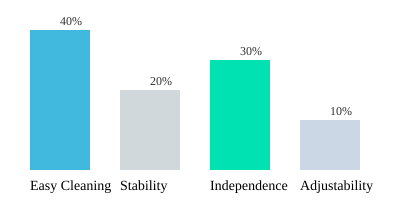
As you can see, easy cleaning and independence are the most praised features in user reviews, while stability and adjustability are the most common concerns. This highlights the importance of choosing a seat that balances comfort, safety, and practicality for your toddler’s unique needs.
Who’s It For? Best Use Cases and Buyer Profiles
When it comes to choosing the BEST potty training seat, one size definitely doesn’t fit all. Every family’s needs are unique, and the right potty seat can make the journey from diapers to independence much smoother. Whether you’re an on-the-go parent, have a growing toddler, or need a solution that works for both boys and girls, there’s a potty seat designed just for you. Let’s explore who benefits most from different types of potty seats, and how to match features to your family’s lifestyle.
Active Families: Travel-Friendly and Portable Potty Seats
If your family loves road trips, visits to grandparents, or frequent outings, a travel potty seat is a must-have. These seats are lightweight, foldable, and easy to pack—making potty breaks stress-free wherever you go. According to recent data, 70% of parents prefer portable potty seats for travel, highlighting their popularity among active families. For example, the portable potty chair with a carrying bag lets you set up a clean, familiar spot for your child in any restroom or park. Check latest price here.
Growing Toddlers: Adjustable Potty Seats
Children grow quickly, and so do their potty training needs. An adjustable potty seat is ideal for parents who want a seat that adapts as their child grows. These seats often feature adjustable heights or removable inserts, ensuring comfort and stability through every stage. In fact, 50% of parents look for adjustable features to accommodate growth spurts and changing needs. See customer reviews here.
Households Prioritizing Hygiene and Easy Cleanup
For families who value cleanliness, look for potty seats with smooth, non-porous surfaces and removable bowls. These features make cleaning quick and thorough, reducing the risk of lingering odors or germs. Some models even offer splash guards and antimicrobial materials, which are especially helpful for shared bathrooms or daycare settings.
Gender-Specific Designs: Best Potty Seat for Boys and Girls
Potty training can be easier with seats designed for your child’s specific needs. The best potty seat for boys often includes a higher splash guard to prevent messes, while the best potty seat for girls may have a wider, more comfortable seat. Some brands offer training urinals for boys or fun color options to engage girls. Choosing a gender-specific design can boost your child’s confidence and make the process more enjoyable. See gender-specific options here.
Multi-Functional Seats: 3-in-1 and Step-Stool Models
Caregivers looking for versatility will appreciate multi-functional potty seats. These models can transform from a standalone potty to a toilet seat adapter or even a step-stool, offering value and longevity. This is perfect for families with multiple children or limited bathroom space. Multi-functionality means you get more use out of your investment, and your child gains independence faster.
Budget-Conscious Shoppers: Best Value Options
If you’re watching your budget, don’t worry—there are plenty of affordable potty seats that don’t compromise on safety or comfort. Look for models with essential features like non-slip bases, ergonomic design, and easy-to-clean materials. Value packs or seats that grow with your child can help you save in the long run.
"Selecting a potty seat tailored to your family’s lifestyle makes all the difference." – Michael Johnson, Pediatrician
By considering your family’s routines, your child’s developmental stage, and your budget, you can find the BEST potty training seat that fits your needs perfectly.

Picking the Perfect Potty Seat: Key Considerations for Selection
Choosing the best potty training seat is a big step for both parents and toddlers. The right seat can turn a stressful transition into a positive, confidence-building experience. With so many options available, it’s important to focus on features that make potty training easier, safer, and more comfortable for your child. Let’s break down the key factors to consider when making your potty training seat selection.
Check Toilet Compatibility: Shape and Size Matter
Not all toilets are created equal. Before you buy, measure your toilet’s opening and note its shape—round, elongated, or even square in some regions. Many parents are surprised to find that a seat that fits perfectly in one home may wobble or not fit at all in another. Adjustable potty seats are a smart choice if you want flexibility, especially if you plan to use the seat in different bathrooms or travel with it. “The right fit makes potty training less stressful for both child and parent,” says Linda Martinez, Early Childhood Educator.
Look for Secure Fit Features: Safety First
Safety should never be overlooked. A seat that slips or moves can scare your child and set back progress. Look for features like:
Adjustable dials or locking mechanisms that tighten the seat to the toilet
Anti-slip rubber grips or pads underneath the seat
Sturdy handles for your child to hold onto
These features help ensure the seat stays put, giving your child the confidence to sit independently.
Consider Comfort Elements: Padding, Splash Guards, and Handles
Comfort is key to toddler acceptance. Soft seat padding can make the experience more inviting, especially for little ones who are hesitant. Splash guards are essential for boys and can help keep messes to a minimum. Handles offer extra security, especially for children who are still developing balance. Some seats even come with fun designs or sound effects to motivate reluctant toddlers—think of it as turning potty time into playtime!
Evaluate Ease of Cleaning: Removable Parts and Materials
Busy parents need a seat that’s easy to clean. Look for:
Removable splash guards and seats for quick rinsing
Non-porous materials that resist stains and odors
Simple construction with minimal crevices where germs can hide
Prioritizing potty training seat cleaning will save you time and keep your bathroom more hygienic.
Think About Portability: Fold-Up or Lightweight Design
If you travel often or want to use the seat in multiple bathrooms, portability matters. Fold-up designs or lightweight seats are easy to pack and carry. Some even come with travel bags. This makes it easy to keep your child’s routine consistent, no matter where you are.
Assess Price vs. Features Balance for Your Budget
Most quality potty training seats fall in the $15–$50 range. While it’s tempting to go for the cheapest option, investing in a seat with the right features pays off in the long run. Compare the benefits—like adjustability, comfort, and cleaning ease—against the price to find the best value for your family.
Remember, the best potty training seat is the one that fits your toilet, your child, and your lifestyle. Taking the time to consider these factors will set your toddler up for potty training success.
Care and Cleaning: Maintaining Your Potty Training Seat
When it comes to finding the BEST Potty Training Seat for your toddler, easy care and cleaning are just as important as comfort and safety. A clean potty seat not only keeps your child healthy, but it also makes the potty training journey less stressful for everyone involved. As Rachel Lee, a pediatric nurse, wisely says,
"Keeping things clean reduces stress and keeps kids healthy."
Let’s explore practical potty seat cleaning routines, odor control solutions, and maintenance tips that help you keep your child’s potty seat fresh, safe, and long-lasting.
Why Potty Seat Cleaning Matters
Regular cleaning of your potty training seat is essential for hygiene and seat longevity. Toddlers are still learning about cleanliness, and a dirty potty seat can quickly become a breeding ground for germs and odors. Plus, a well-maintained seat is more inviting for your child, making them less likely to resist potty time.
Daily Cleaning Routine for Potty Seats
Clean after every use: Wipe down the seat and bowl with a child-safe disinfectant or mild soap and water. This prevents bacteria buildup and keeps the surface safe for your toddler’s sensitive skin.
Removable potty seat parts: Many of the best potty training seats feature removable bowls or seats for easy washing. Simply detach and rinse thoroughly under running water, or use a gentle cleanser for stubborn messes.
Odor control potty seat tips: To keep things smelling fresh, consider using odor control inserts like baking soda discs. These are safe, effective, and easy to replace. Some parents also sprinkle a little baking soda in the bowl after cleaning for extra freshness.
Weekly Deep Cleaning and Maintenance
Disassemble and soak: Once a week, take apart all removable components and soak them in warm, soapy water. This helps remove any lingering residue or stains.
Inspect for wear and tear: Check the seat’s safety features, such as non-slip grips, handles, and locking mechanisms. If you notice cracks, loose parts, or worn-out grips, it’s time to repair or replace the seat to ensure continued safety.
Dry thoroughly: After cleaning, dry all parts completely before reassembling. Moisture can lead to mold or mildew, which causes odors and can be harmful to your child.
Smart Storage for Odor Control
Store your potty seat in a dry, well-ventilated area. Avoid keeping it in damp bathrooms or closed cabinets, as this can trap moisture and lead to unpleasant smells. If space allows, hang the seat or place it on a rack to air out between uses.
Building Healthy Habits with Your Toddler
Encourage your child to help with simple cleaning tasks, like wiping the seat or putting away odor control inserts. This not only teaches responsibility but also builds lifelong hygiene habits. Make it a fun part of the potty routine—sing a song or use a sticker chart as motivation!
Quick Checklist for Potty Seat Maintenance
Wipe and disinfect after each use
Remove and wash bowls/seats frequently
Use odor control options like baking soda discs
Check for wear or damage weekly
Store in a dry, vented space
Involve your toddler in cleaning tasks
By following these potty seat maintenance tips, you’ll keep your child’s potty seat clean, safe, and inviting—making potty training a smoother experience for the whole family.
Final Verdict: Picking Your Champion Potty Seat
Choosing the best potty training seat for your toddler can feel like picking a superhero sidekick—one that’s reliable, safe, and ready for action every day. With so many options on the market, it’s important to focus on what truly matters: comfort, safety, and practicality. As Dr. Amy Green, Child Psychologist, wisely says:
"The best potty seat is the one that your child feels comfortable using every day."
Let’s break down how to select your champion potty seat, highlighting top picks and practical tips for families everywhere.
Balance Safety, Comfort, and Practicality
Above all, a potty seat should be safe and comfortable. Look for sturdy construction, non-slip bases, and smooth edges. Comfort features like soft seats and ergonomic designs can make a world of difference, especially for sensitive toddlers. Practicality also matters—easy cleaning, splash guards, and portability can save parents time and hassle.
Match Features to Your Family’s Lifestyle
Every family is unique. If you travel often, a lightweight, portable seat like the OXO Tot 2-in-1 Go Potty is a smart pick (Check latest price here). For families with limited bathroom space, a compact seat like the BabyBjörn Toilet Trainer fits well and stores easily (See customer reviews here).
Value Multi-Function Models for Long-Term Use
Multi-function potty chairs, such as the Summer My Size Potty, grow with your child. These models often convert from standalone potties to toilet trainers, offering more value over time (Check latest price here). If you want a seat that adapts as your child grows, this is a practical investment.
Consider Your Child’s Personal Preferences
Some toddlers love bright colors or fun designs, while others prefer simplicity. Involve your child in the selection process—let them sit on a few models if possible. The Munchkin Sturdy Potty Seat is a favorite for its simple design and stability, making it a great choice for many families (See customer reviews here).
Read Reviews and Try Before Committing
Parent reviews offer real-world insights into what works and what doesn’t. If possible, try out a seat at a friend’s house or in-store before buying. Remember, what works for one child may not work for another—trial and personal preference matter most.
Top 4 Potty Chair Recommendations
Munchkin Sturdy Potty Seat – Best for simplicity and stability
BabyBjörn Toilet Trainer – Best for comfort and adjustability
Summer My Size Potty – Best multi-function potty chair
OXO Tot 2-in-1 Go Potty – Best for travel and portability
Check latest prices and reviews for these models to find the right fit for your family.
Remember: No Single Seat Fits All Toddlers
Every child is different. Prioritize comfort and safety over extra features or flashy designs. The right potty seat is the one your child will use confidently and consistently. Take your time, read reviews, and don’t be afraid to switch if your first choice isn’t a perfect match.
Frequently Asked Questions About Potty Training Seats
As a parent, choosing the best potty training seat can feel overwhelming. There are so many options, and every child is unique. To help you make the right decision, I’ve gathered the most common questions parents ask about potty training seats. Whether you’re concerned about safety, cleaning routines, travel convenience, or gender suitability, these answers will help you feel more confident as you guide your toddler through this important milestone.
What features make a potty seat safe?
Safety is the top priority for any parent. A safe potty training seat should have a non-slip base or grips to prevent sliding on the toilet. Look for models with adjustable locking mechanisms that secure the seat firmly to your toilet. High-quality materials, such as BPA-free plastic, are also important for your child’s health. Some seats come with handles or armrests, giving your toddler extra stability as they climb on and off. I always recommend checking for smooth, rounded edges to avoid pinched skin or discomfort. If you’re considering a step-stool style seat, make sure the steps are wide, sturdy, and have anti-slip surfaces. These features all contribute to potty seat safety, making the learning process less stressful for both you and your child.
How do I know if the potty seat fits our toilet?
Toilet shapes and sizes can vary, so it’s important to check the compatibility of your chosen potty seat. Most brands design their seats to fit standard round and elongated toilets, but it’s always a good idea to measure your toilet seat before purchasing. Many product listings include a sizing guide—be sure to compare your measurements with these details. Some seats have adjustable hinges or clips, which make them more versatile for different toilet designs. If you’re unsure, look for models labeled as “universal fit.” Reading customer reviews can also provide real-world insights into how well a seat fits various toilet types. A snug, secure fit is essential for both safety and your child’s comfort.
Are travel potty seats as effective as home versions?
Travel potty seats are designed for portability and convenience, but many parents wonder if they’re as effective as regular home seats. In my experience, a good travel potty seat can be just as reliable. They often fold compactly and come with carrying cases, making them easy to take on trips or outings. While they may be lighter and more compact, the best travel potty seats still offer non-slip bases and secure attachments. They’re especially useful for maintaining potty training routines outside the home, helping your child feel comfortable and confident in new environments. Just make sure to choose a travel seat that suits your child’s size and offers the same safety features as your home model.
Can potty seats be used for boys and girls alike?
Most potty training seats are designed to be unisex, suitable for both boys and girls. Some models include splash guards to help prevent messes, which can be especially helpful for boys. The key is to ensure the seat is comfortable and supportive for your child, regardless of gender. If you have both boys and girls at home, a unisex design is practical and cost-effective. Just check that the seat’s features meet your family’s needs, and you’ll be set for a smooth potty training journey.
How often should I clean the potty training seat?
Keeping your potty training seat clean is crucial for hygiene and your child’s health. I recommend wiping down the seat with a mild soap or baby-safe disinfectant after each use, especially if your child has had an accident. Removable seats and splash guards make cleaning easier—just rinse them under warm water and let them air dry. For deeper cleaning, check the manufacturer’s instructions, as some seats are dishwasher-safe. Regular cleaning not only keeps germs at bay but also helps your child develop good bathroom habits from the start.
Potty training can be a big step, but with the right seat and a little patience, your toddler will gain confidence and independence. If you have more questions, don’t hesitate to reach out or check the latest customer reviews for firsthand experiences from other parents.
